ARTWORK
Across two decades and eleven series, Jieun Beth has investigated impermanence, memory, and personal truth, often through the lens of Manhwa and Impressionism. Her mixed-media work invites viewers to find their own stories inside hers, each series its own world to step into.
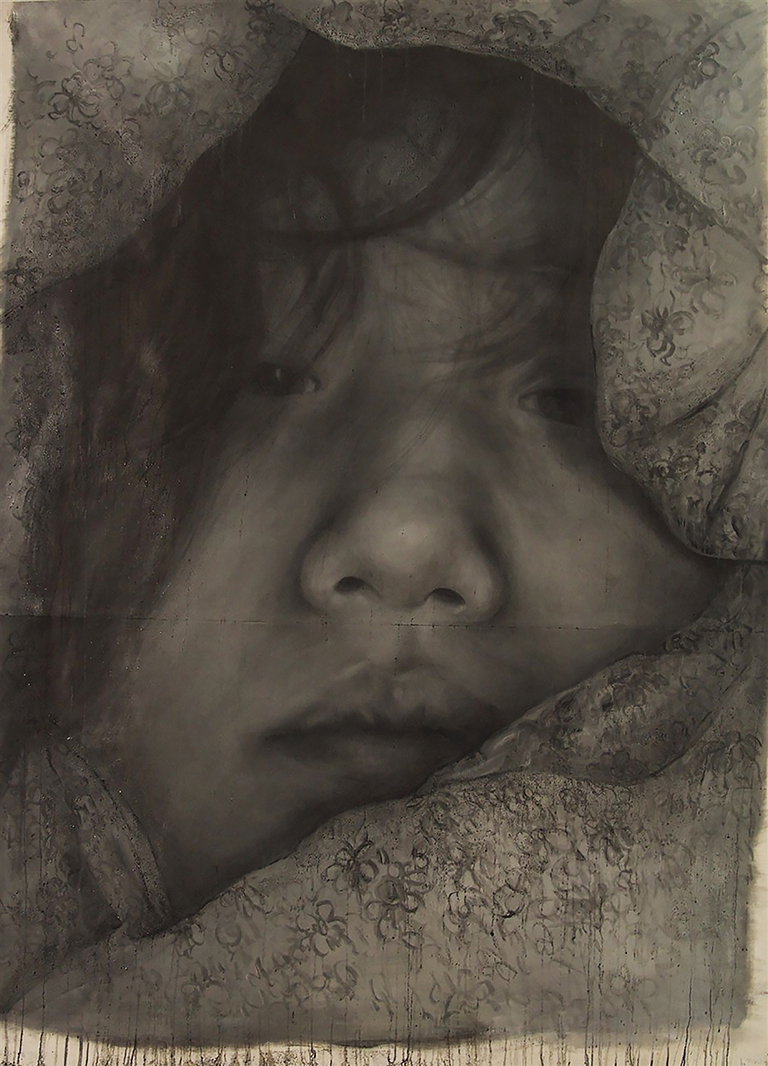
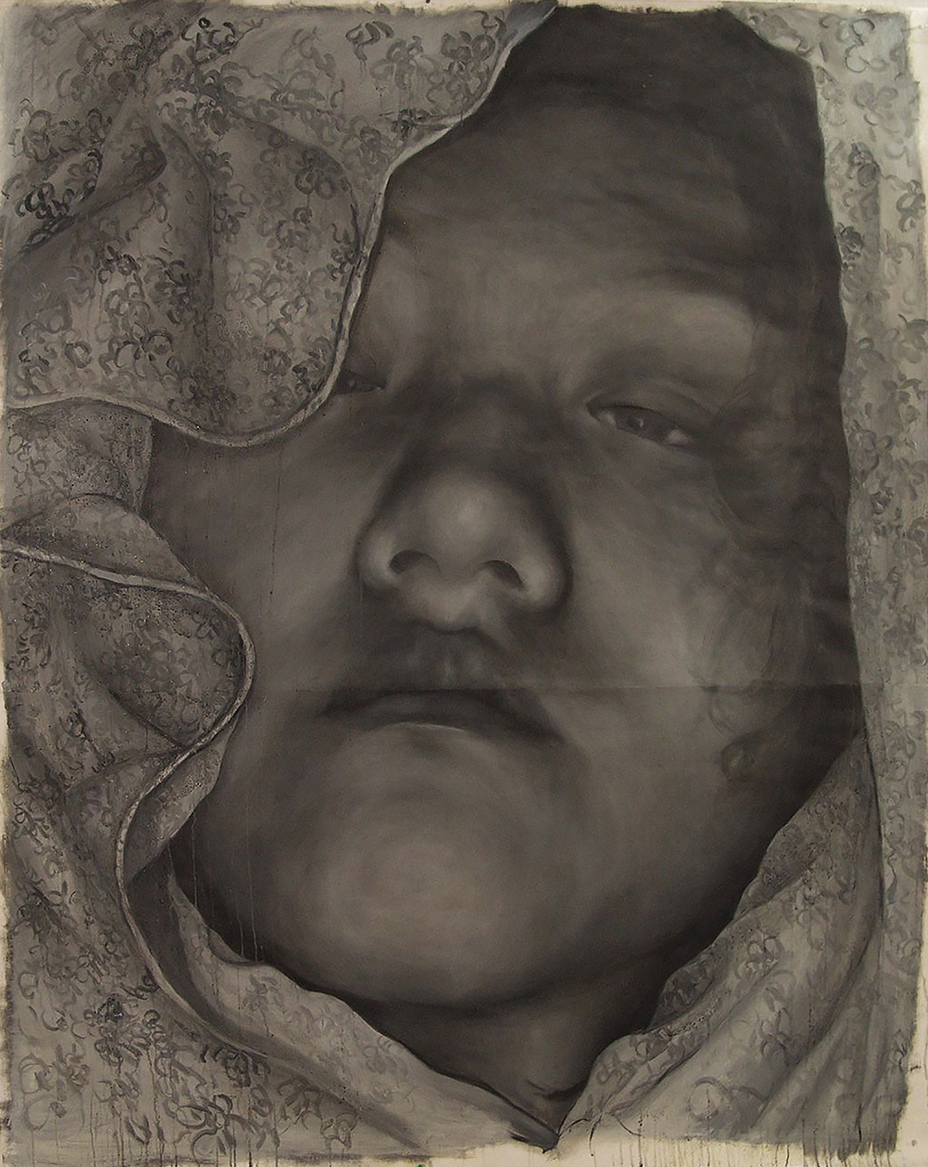
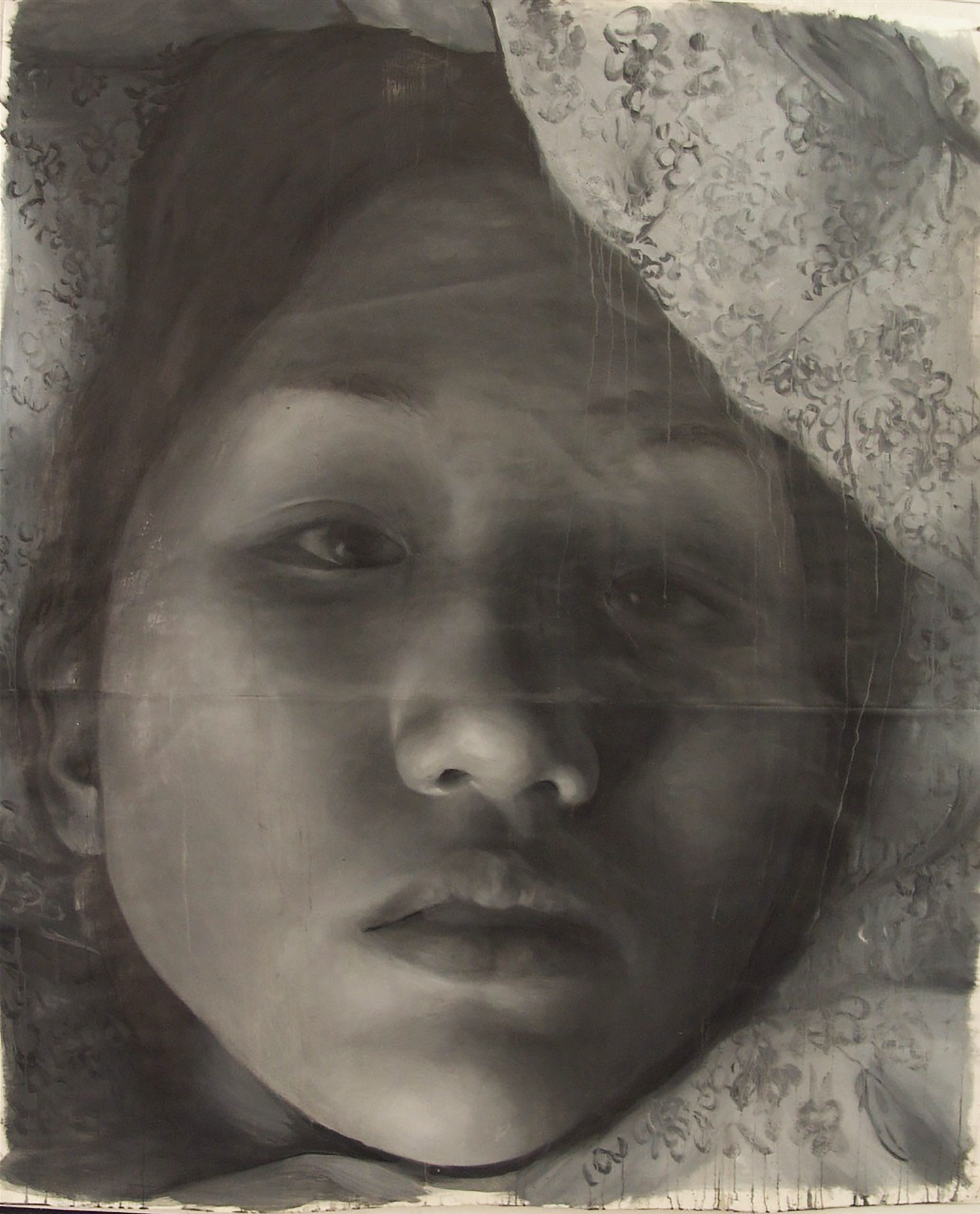
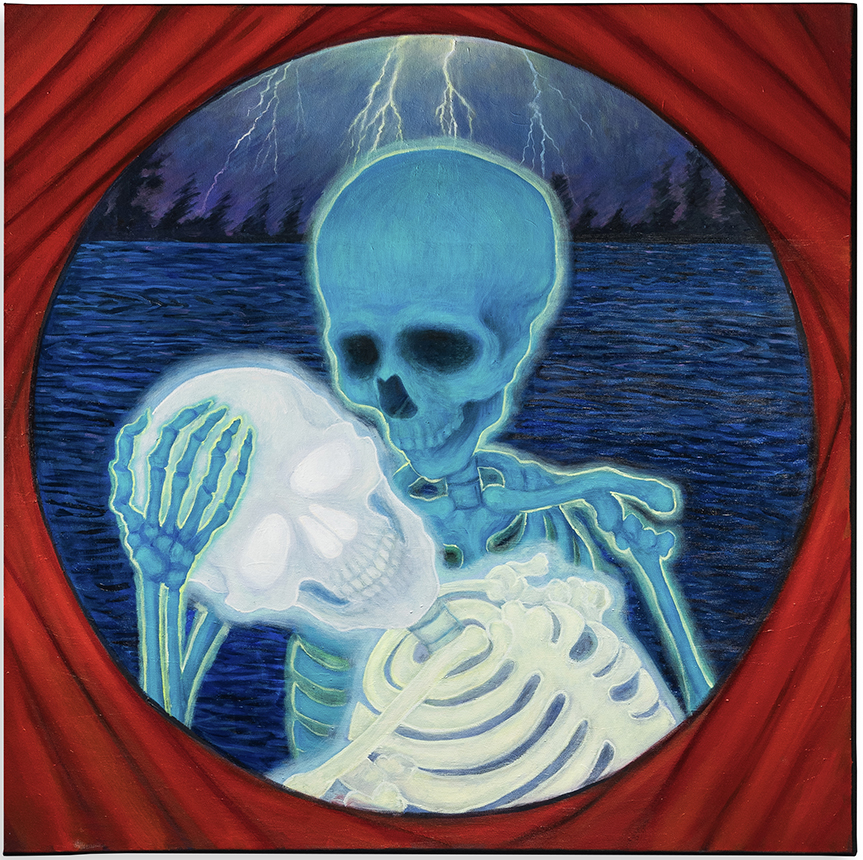
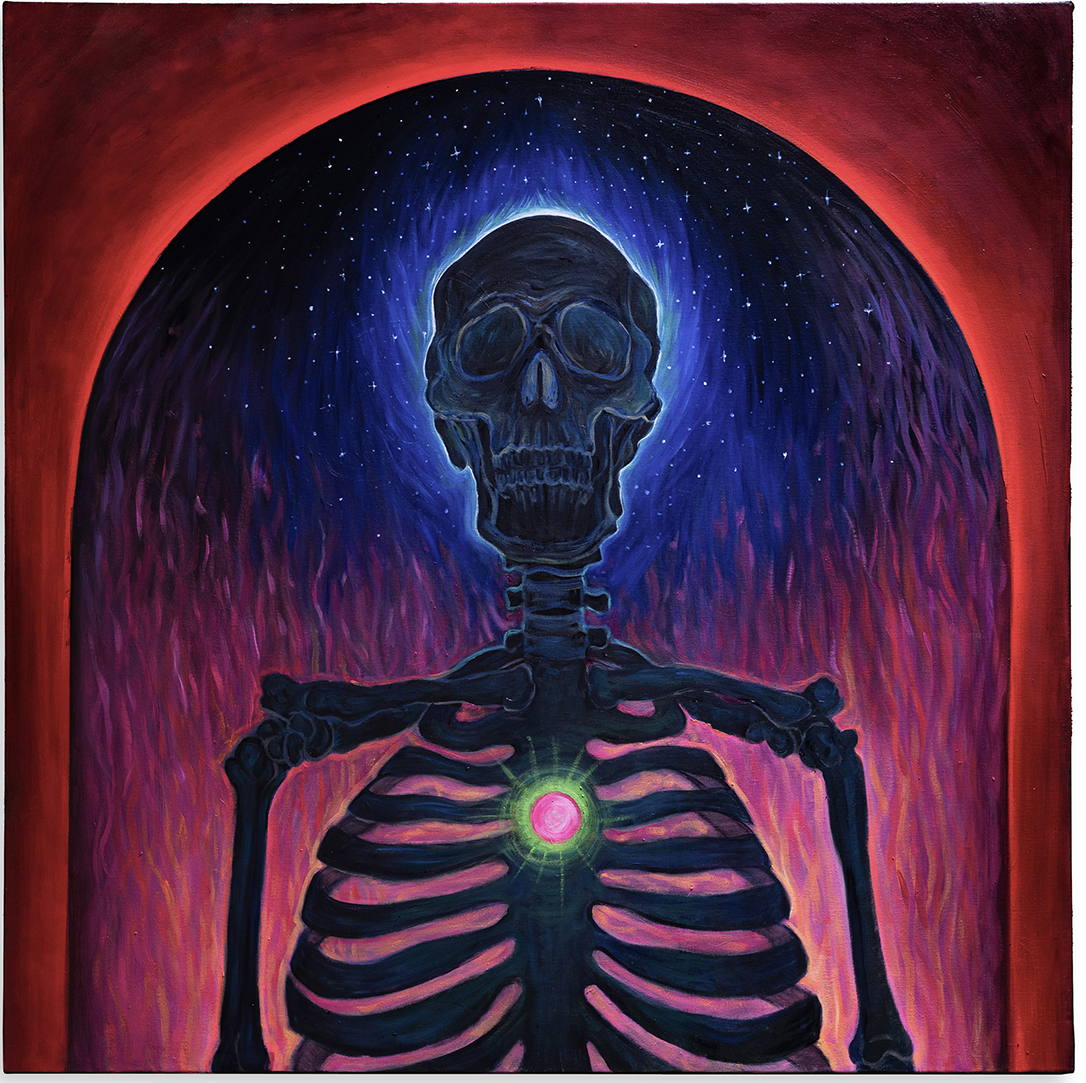
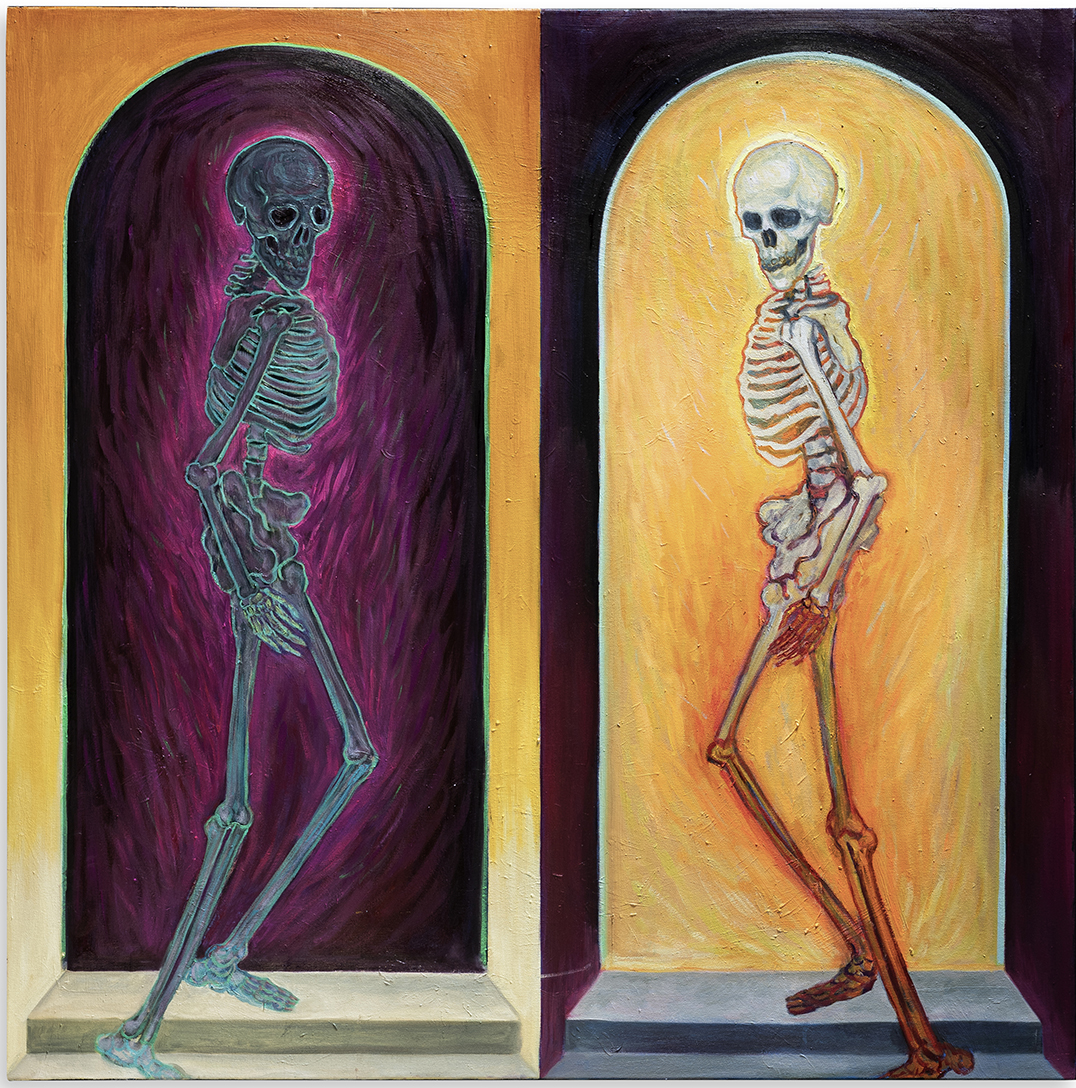
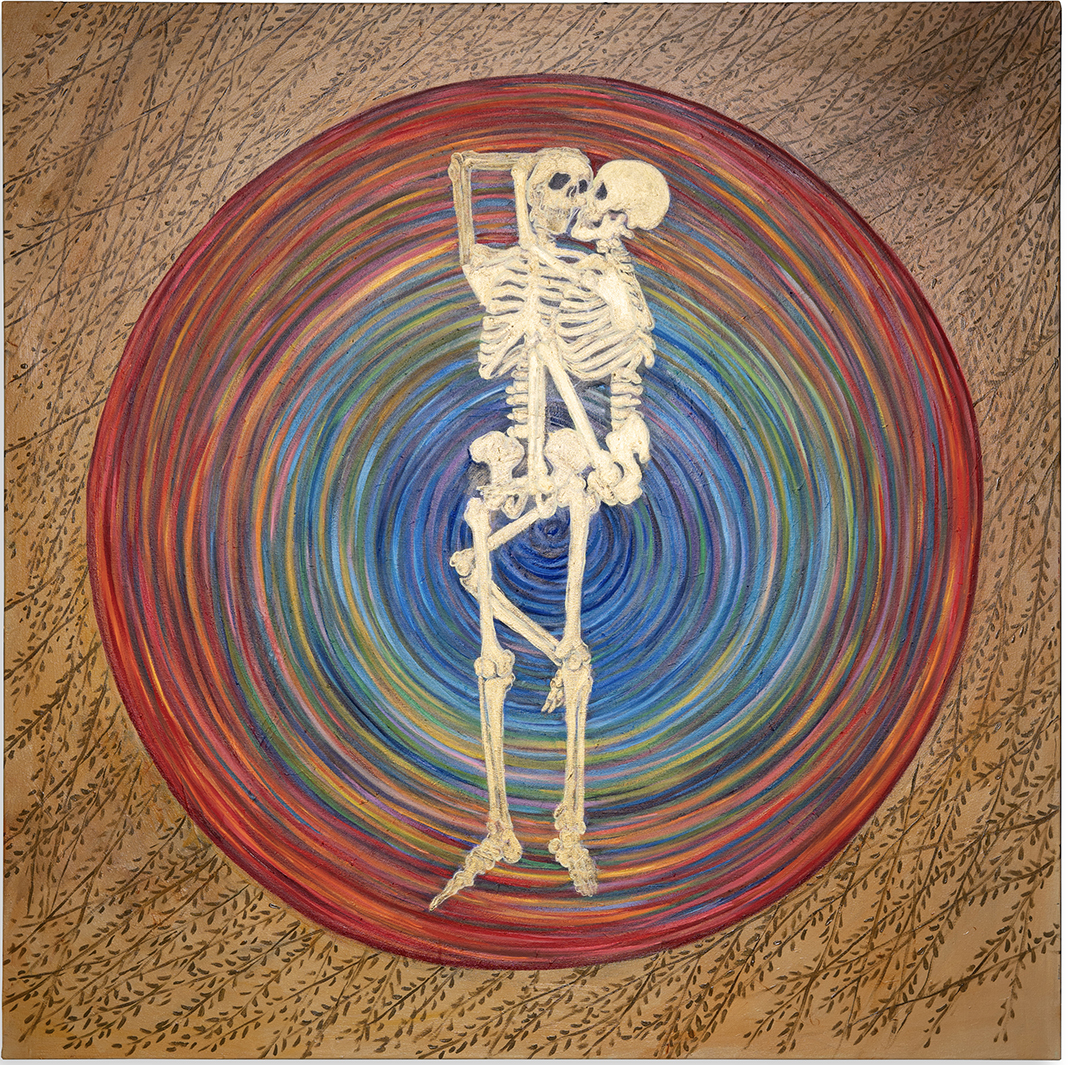
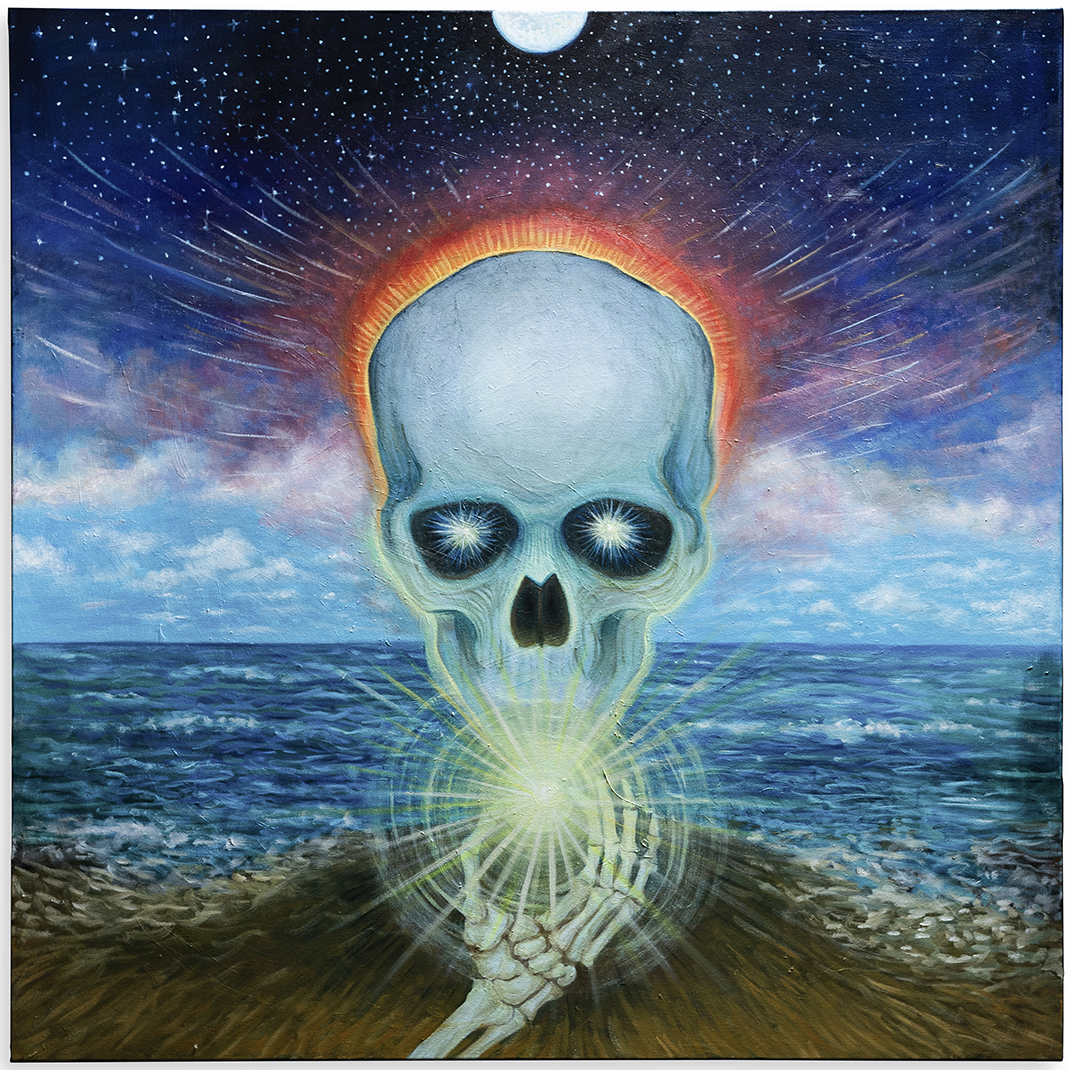
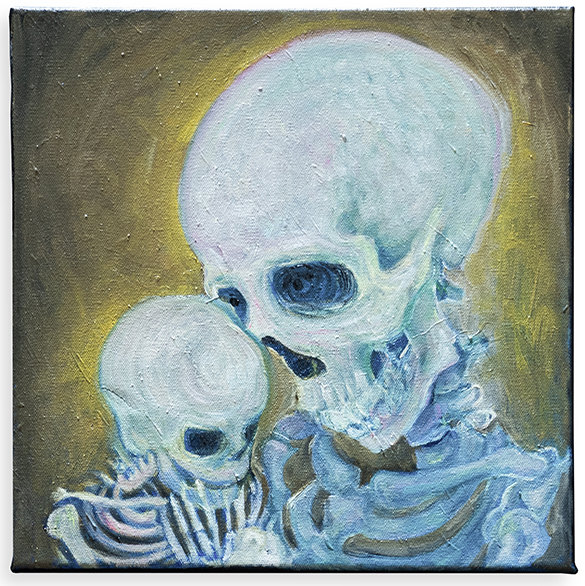
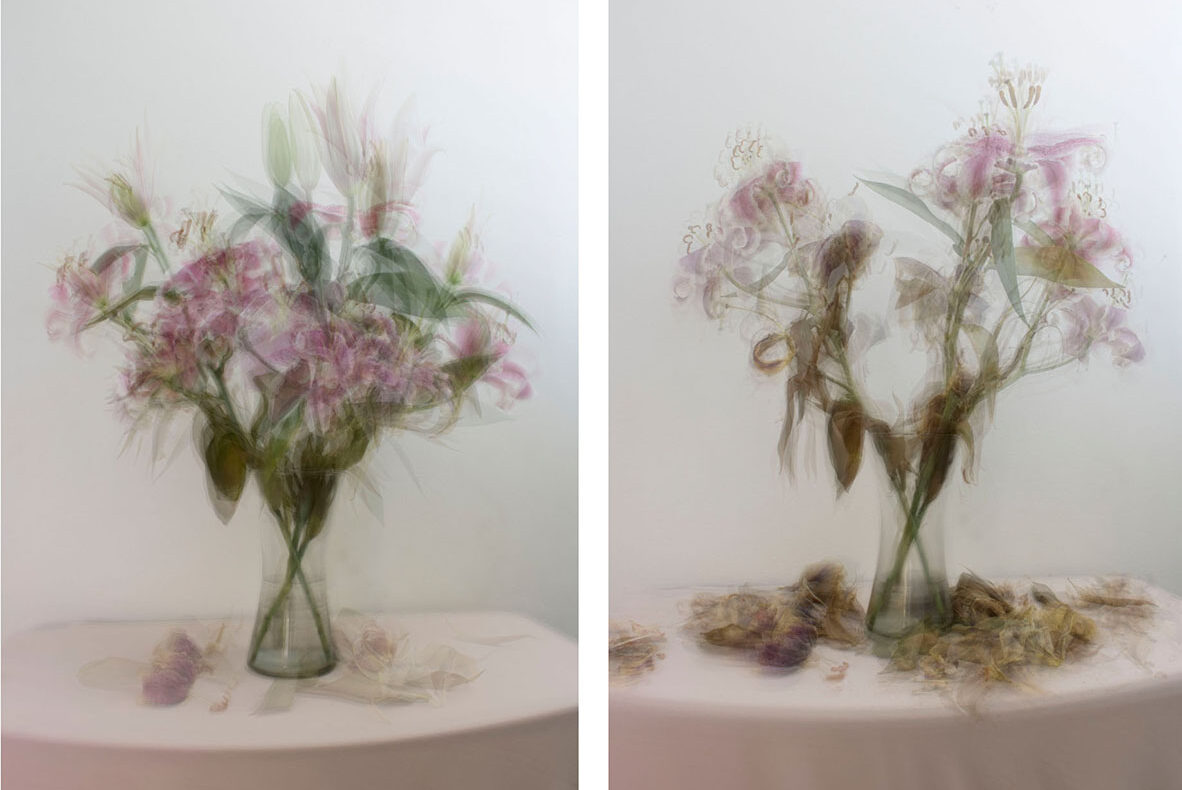
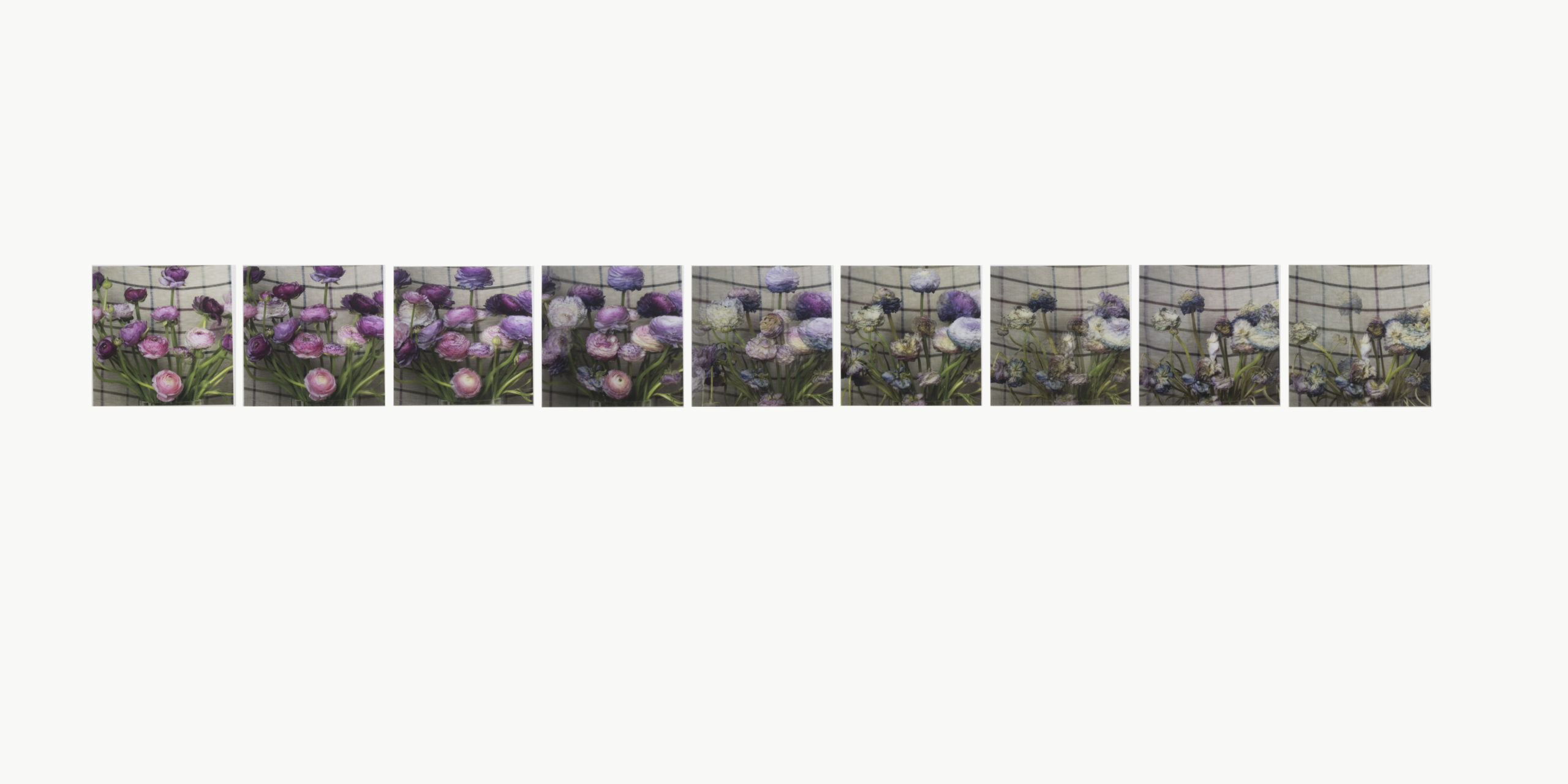
Transcendence examines the alchemical experiences that occur when old, limiting thoughts, beliefs, and emotions are transmuted, and how the psychological, spiritual, and physiological experience of an old self has to die for a new one to emerge. The artist uses death as the anchor for this body of work; the transience of our reality sets the stage for the viewer to imagine a life of authenticity, balance, harmony, peace, and true joy.
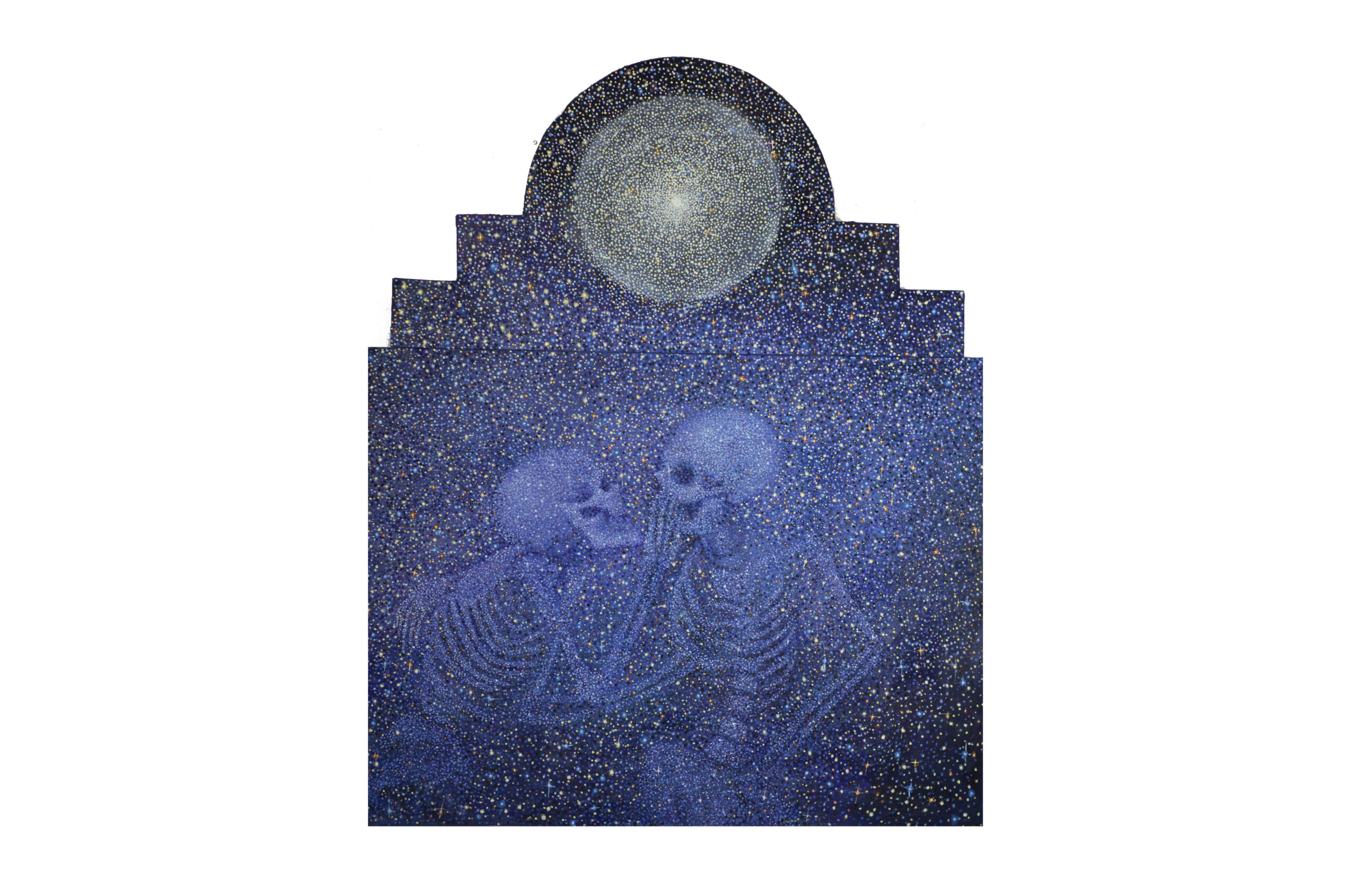
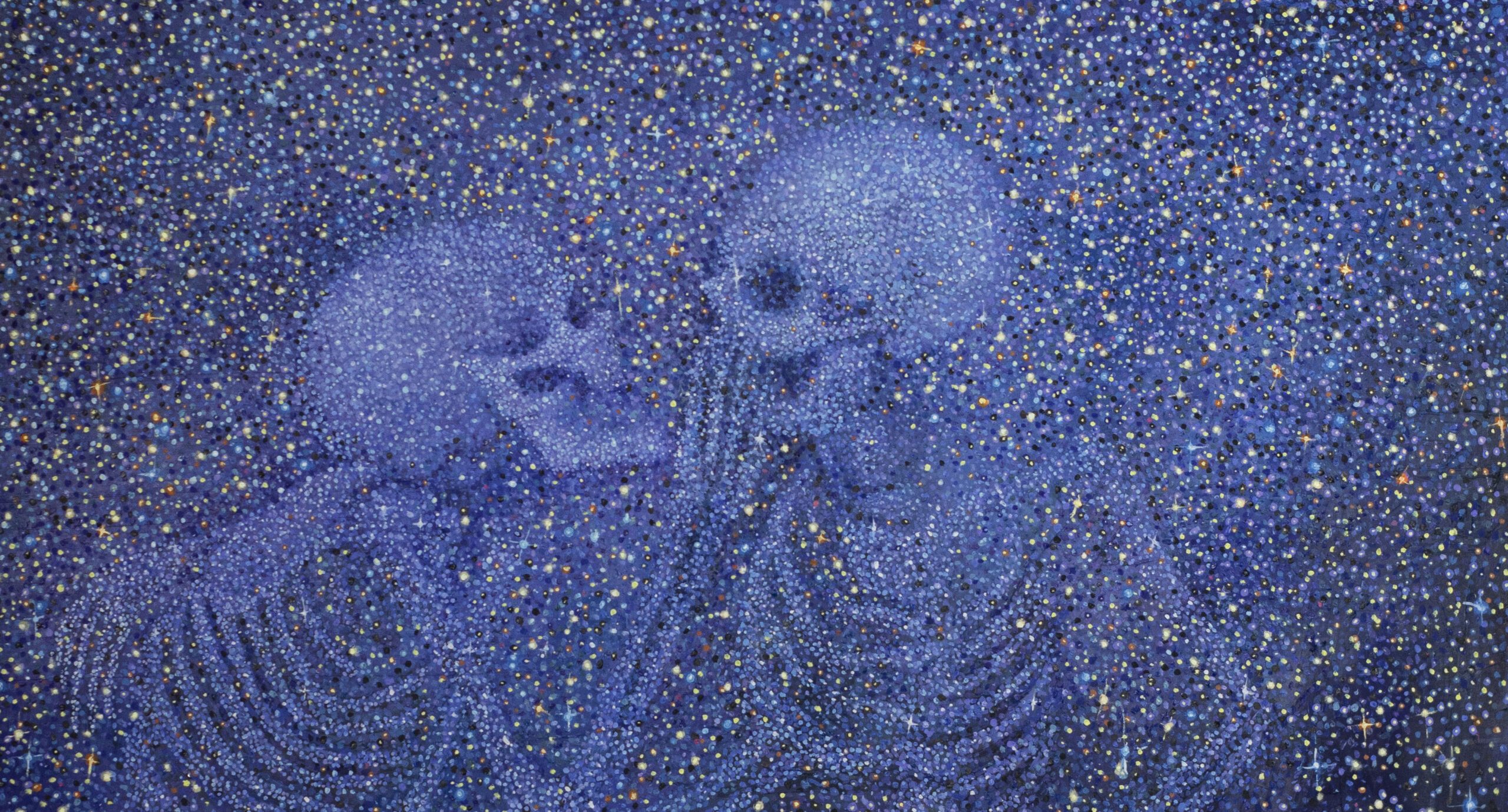
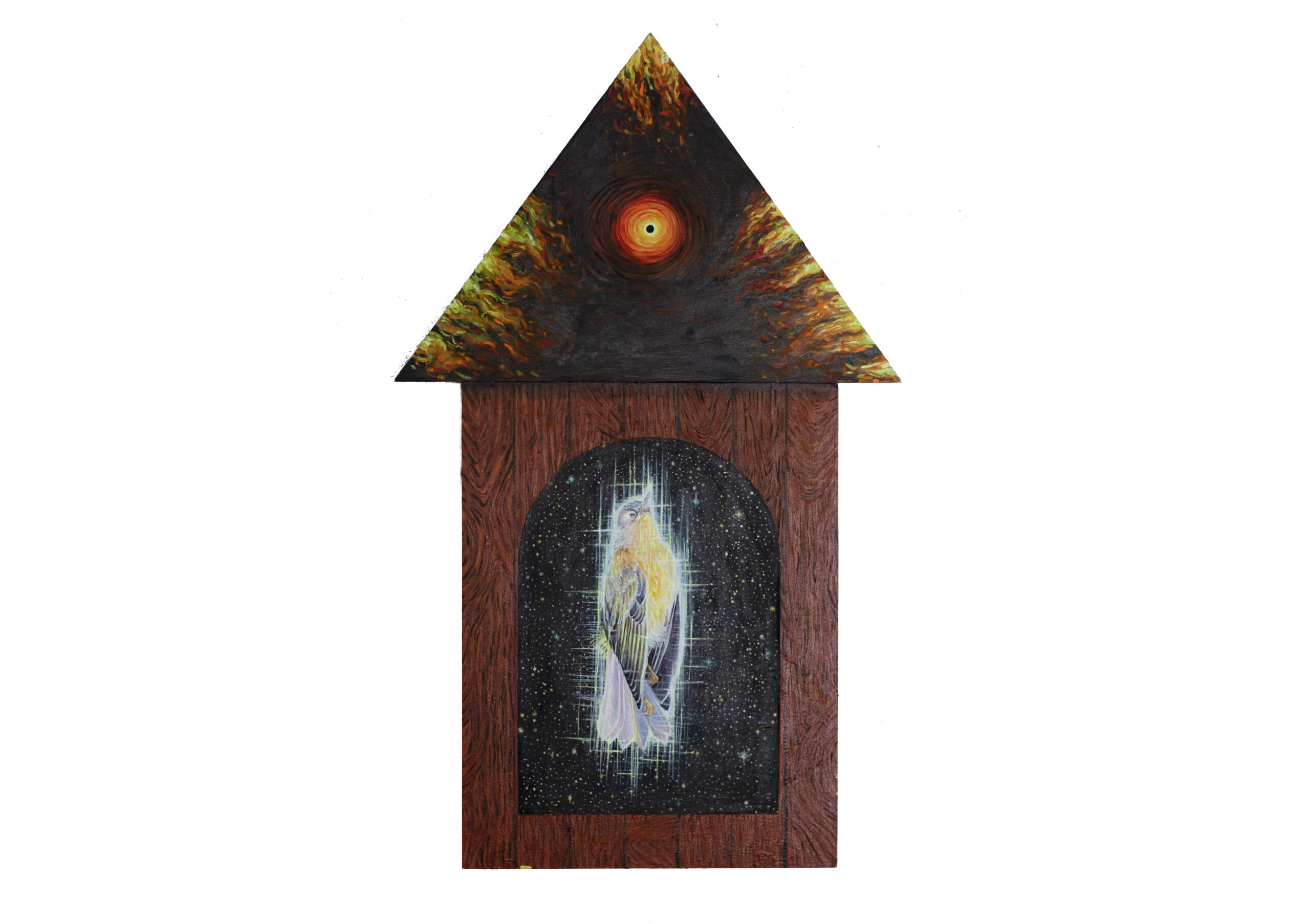
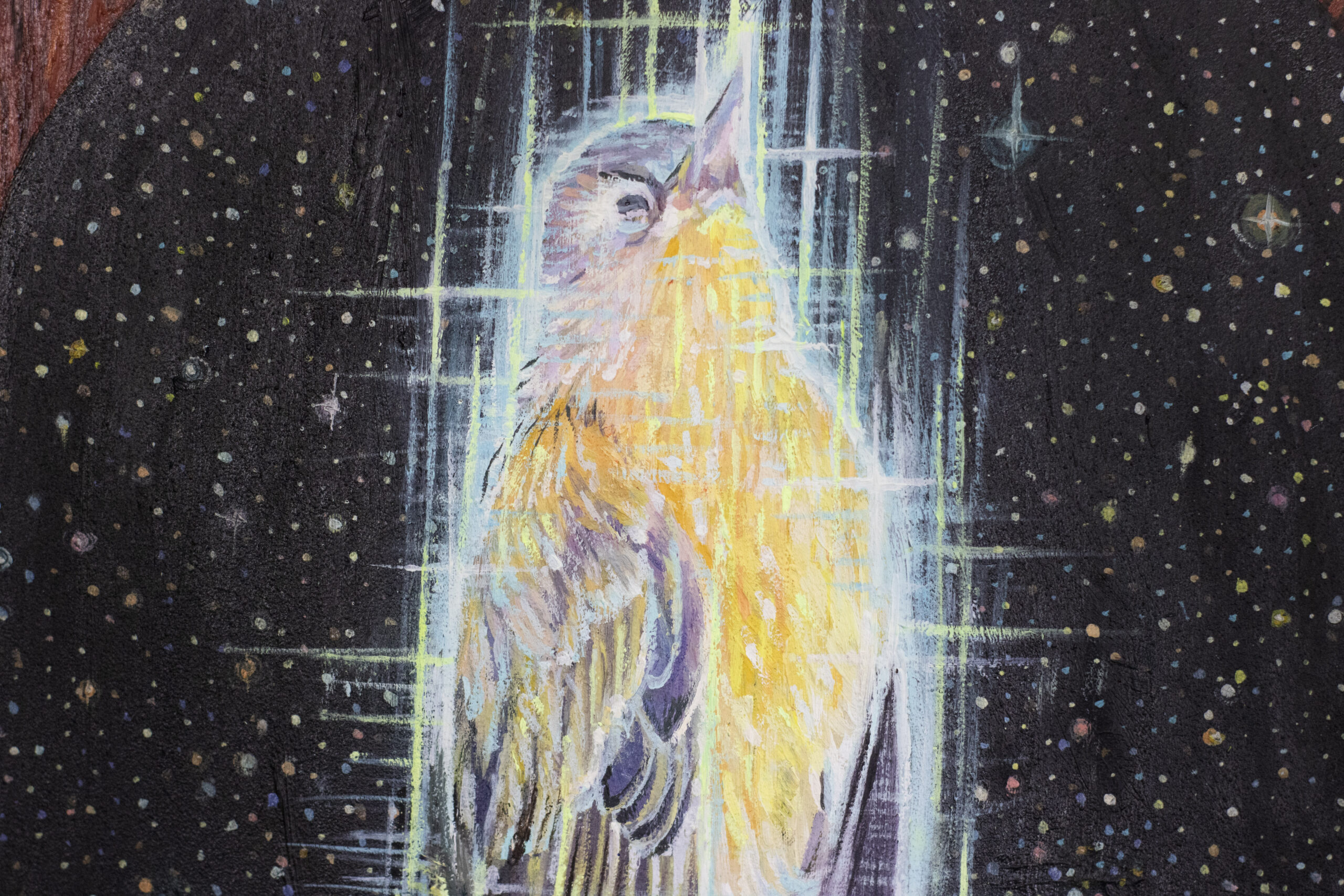
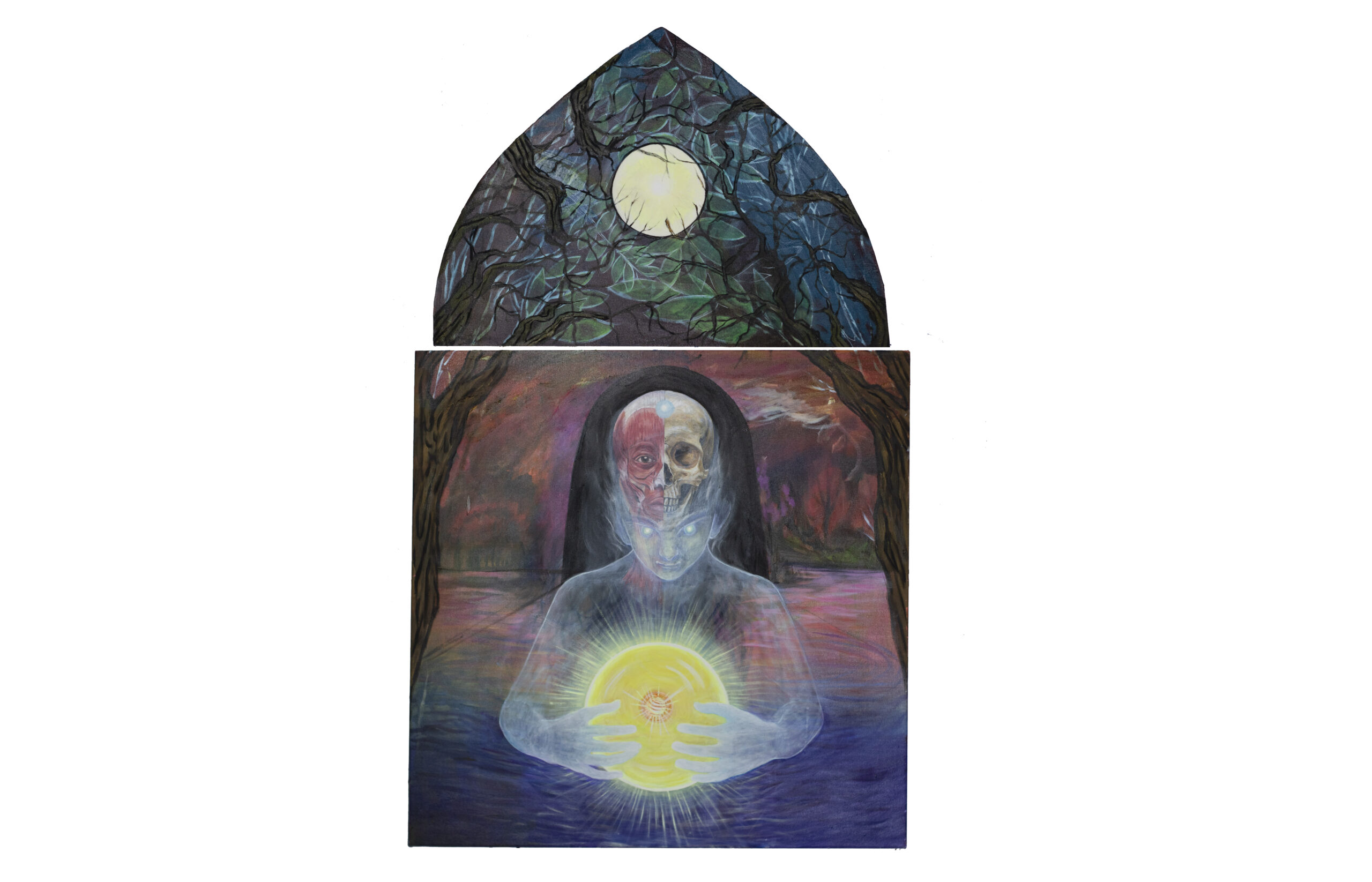
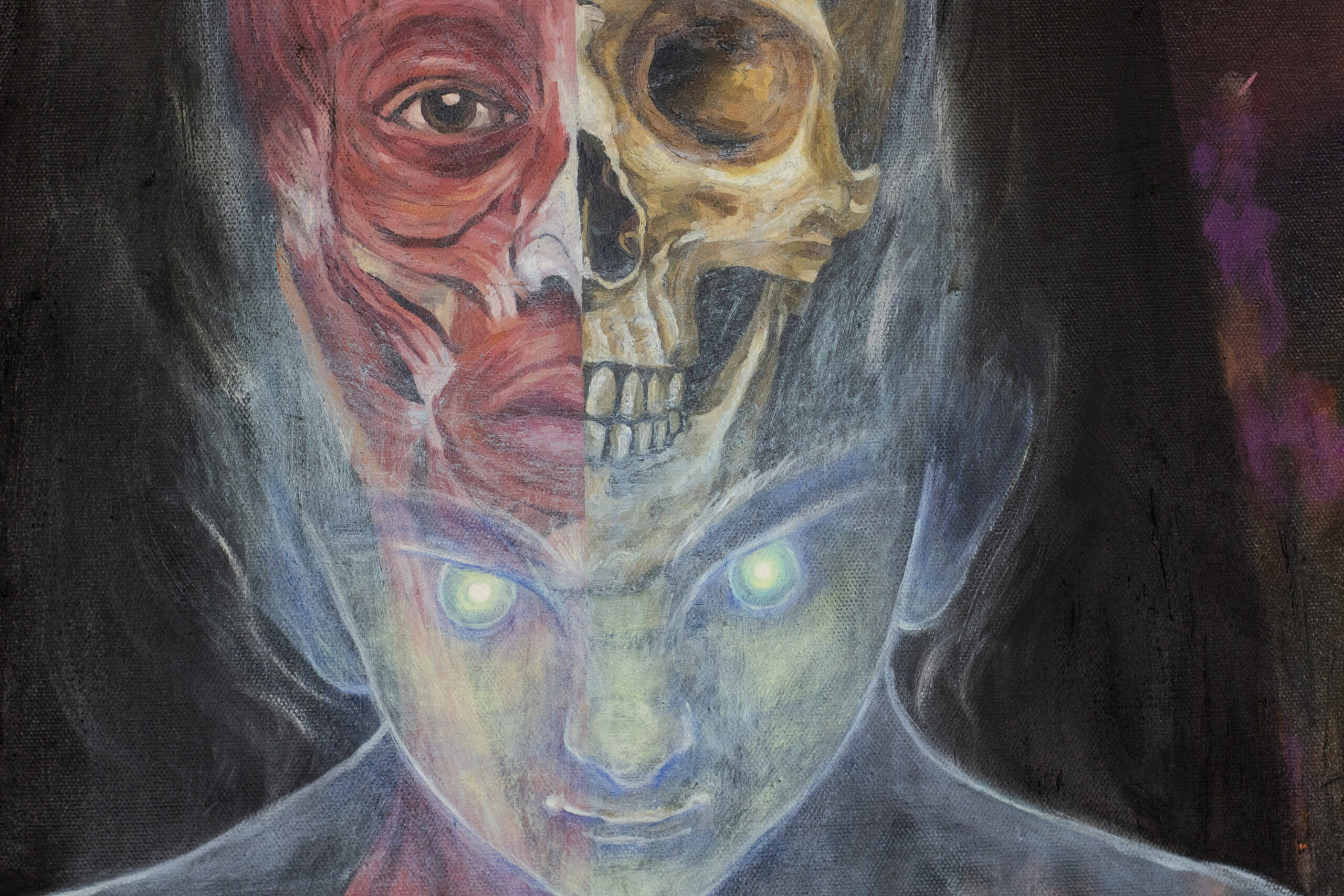
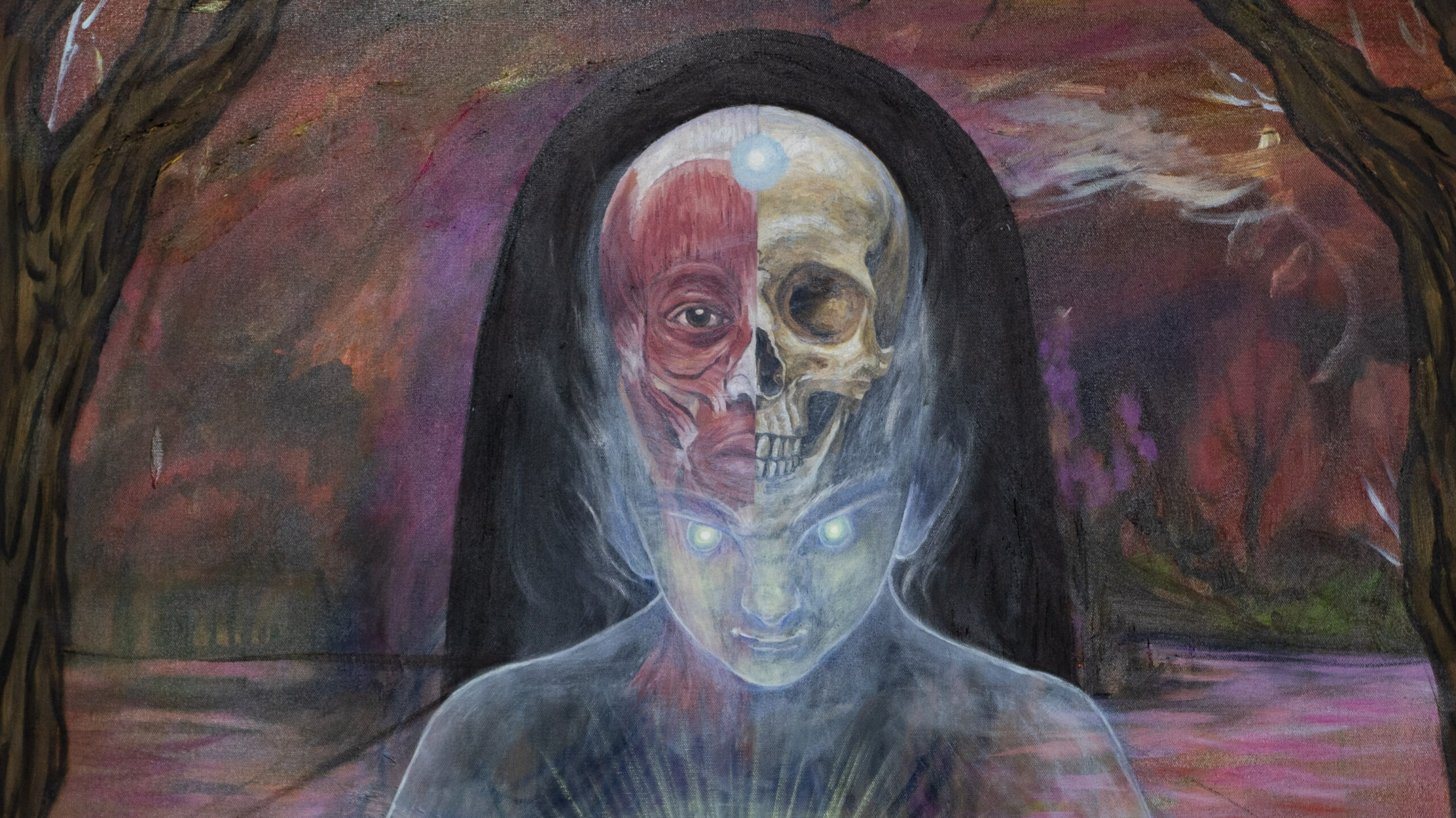
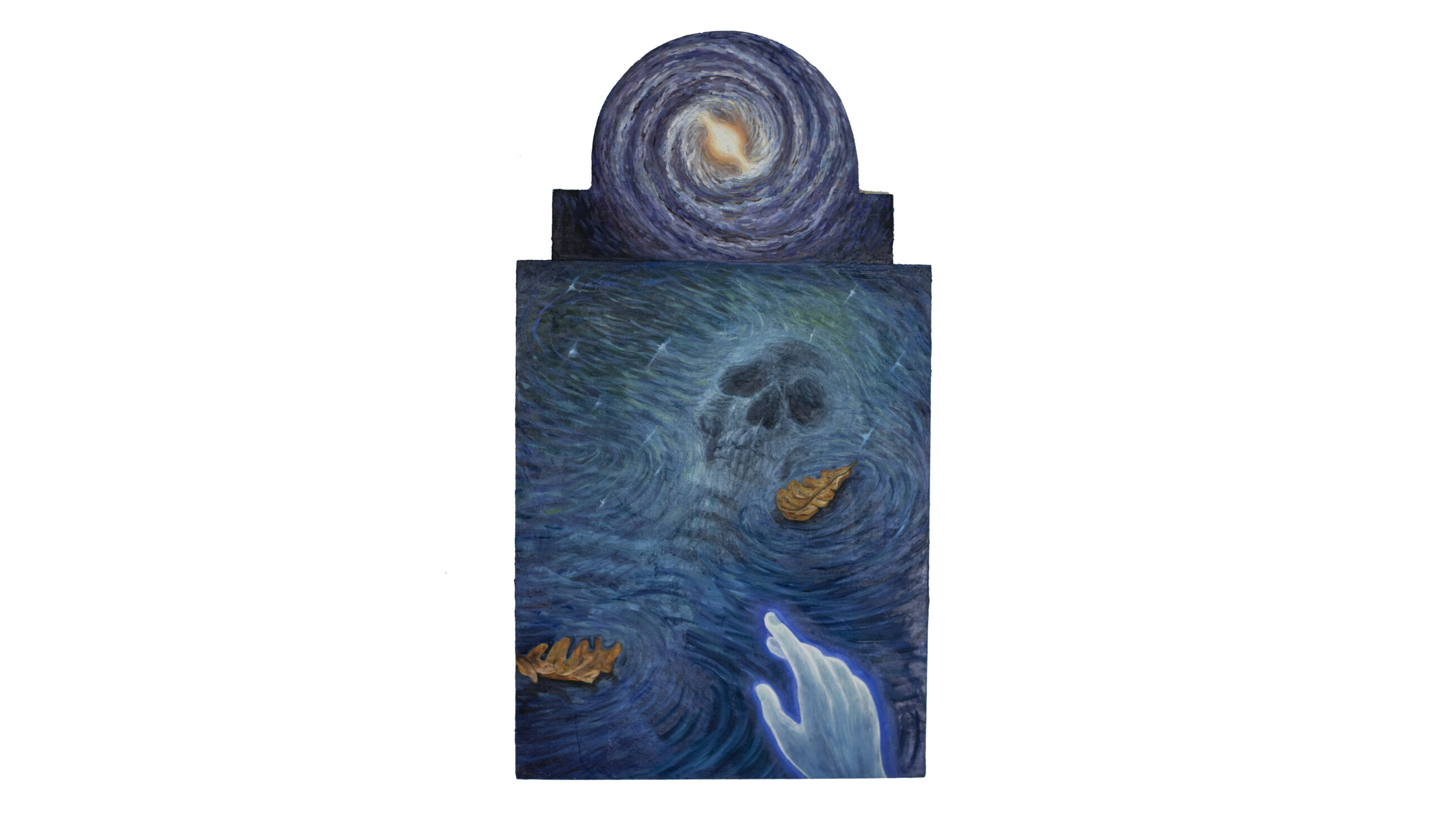
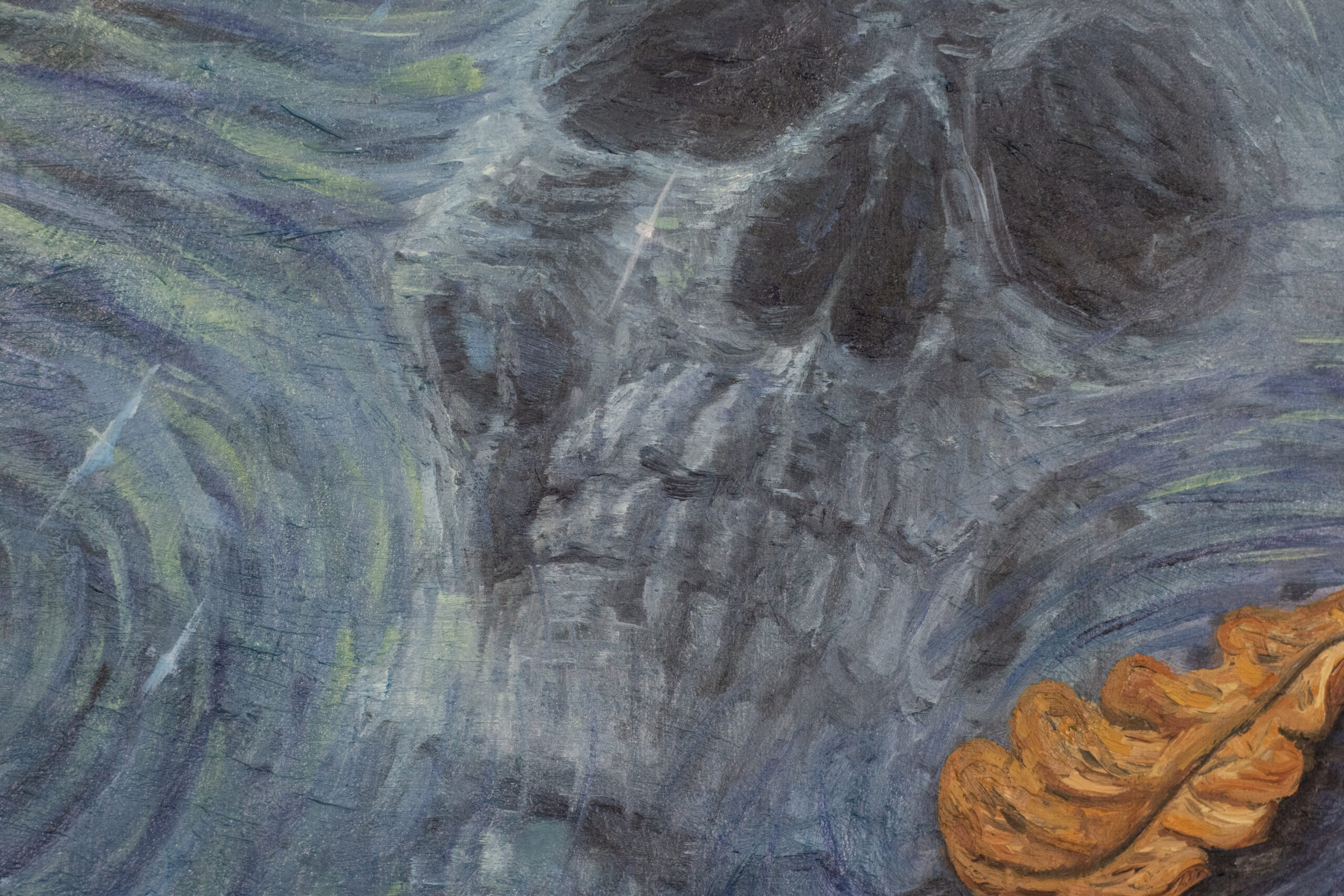
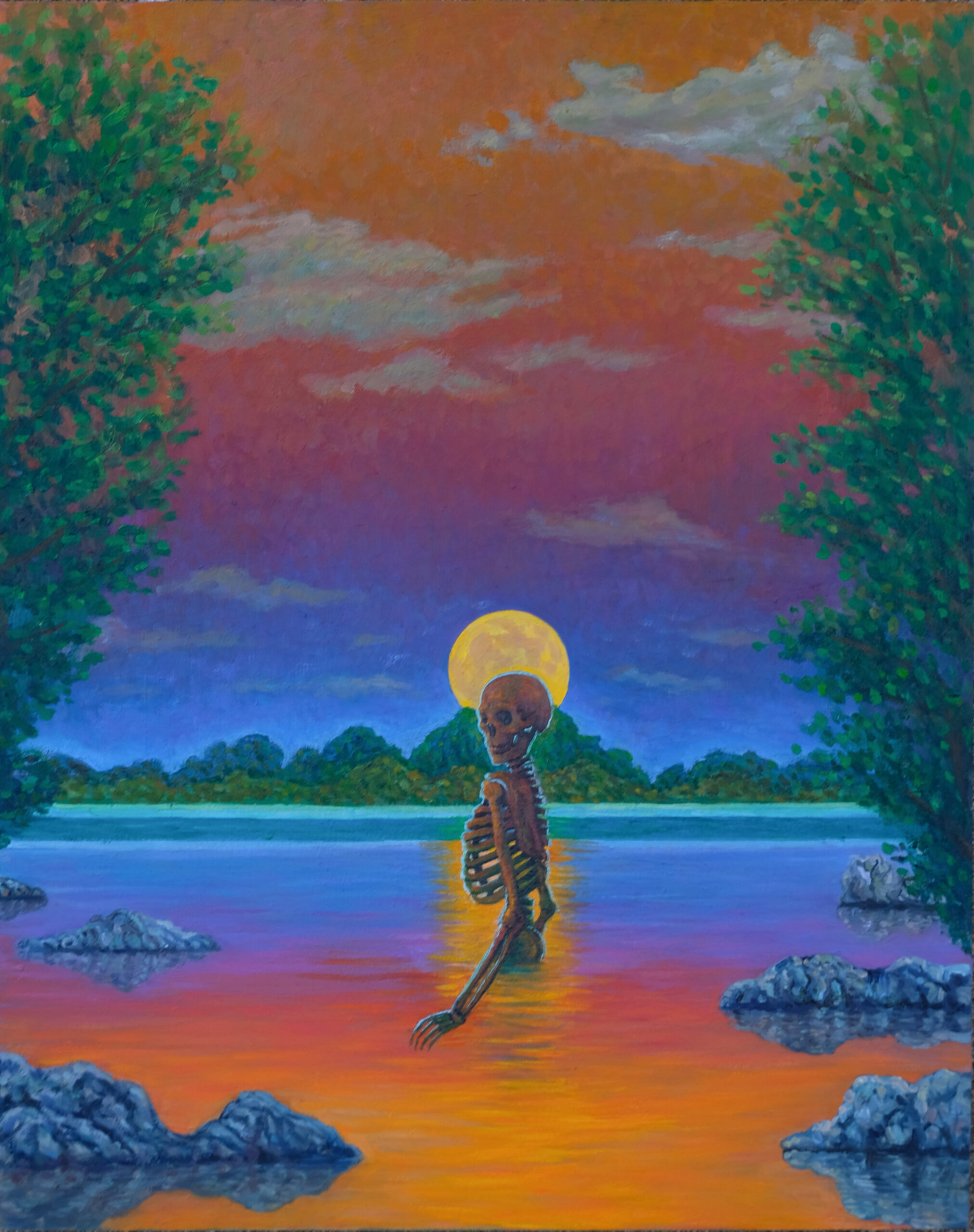
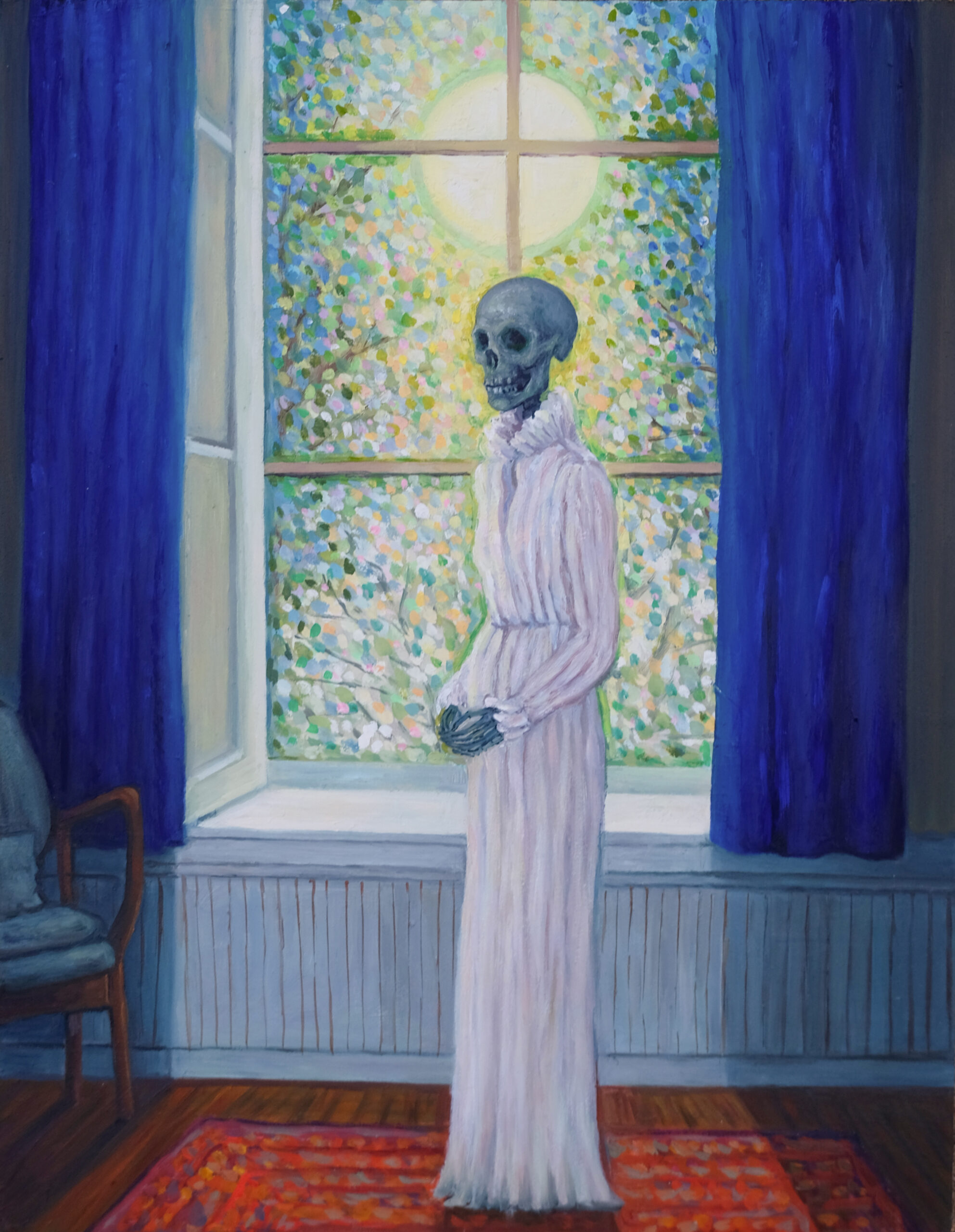
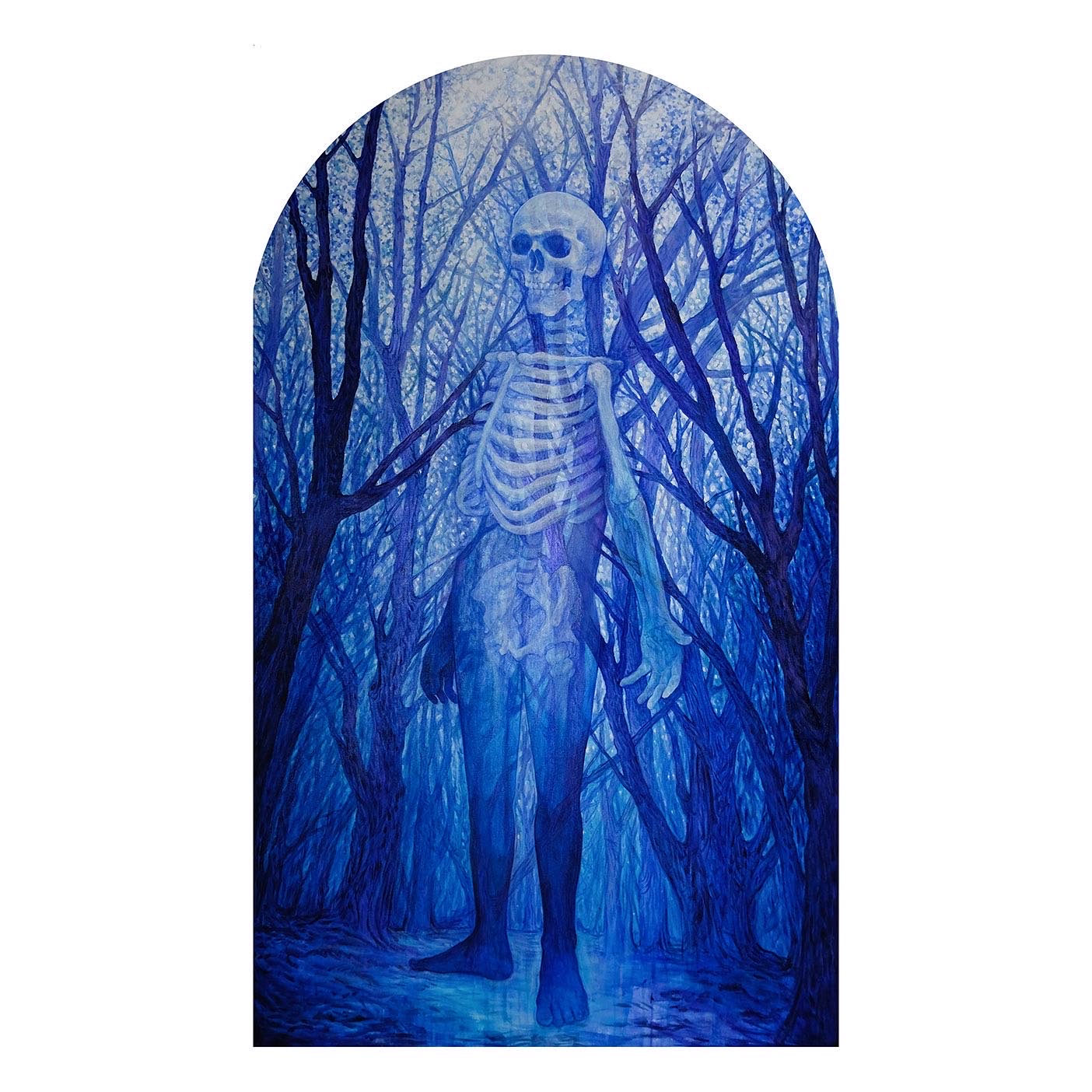
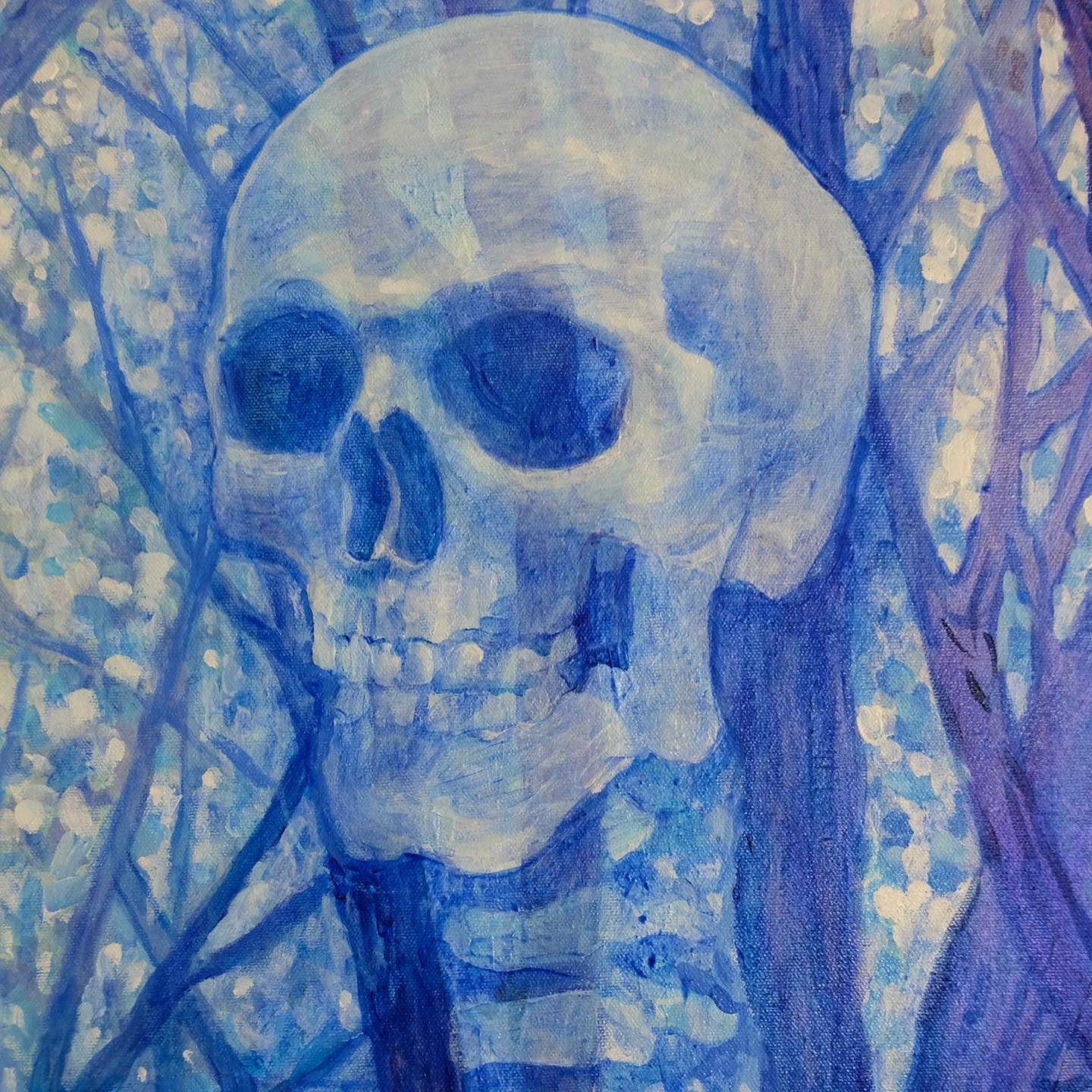
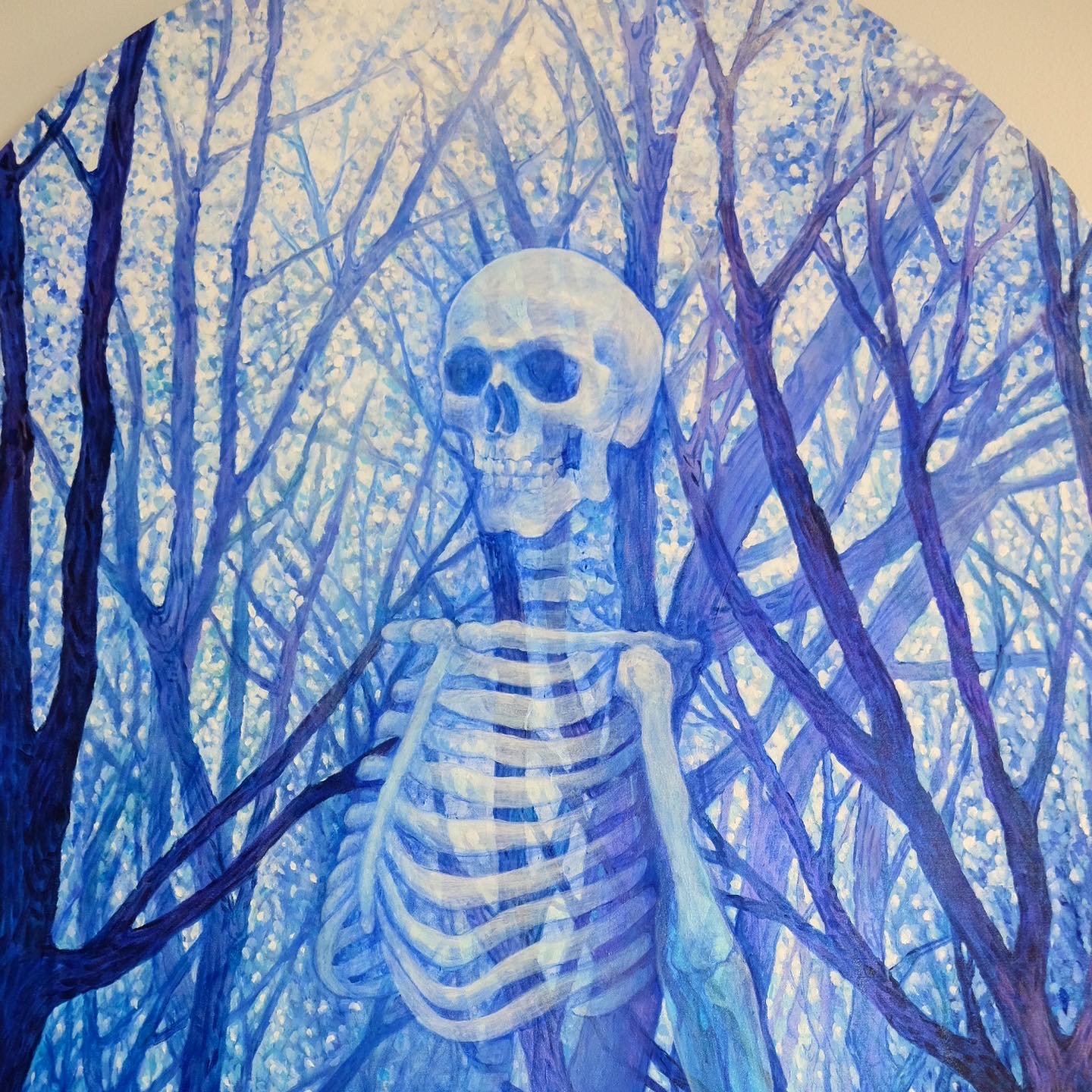
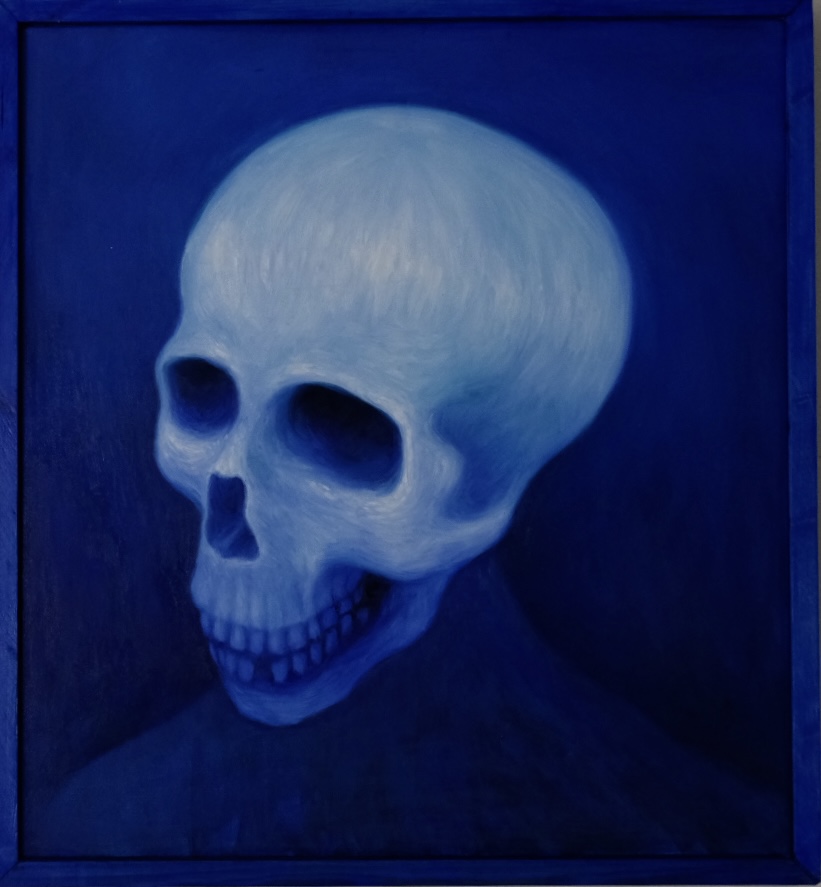
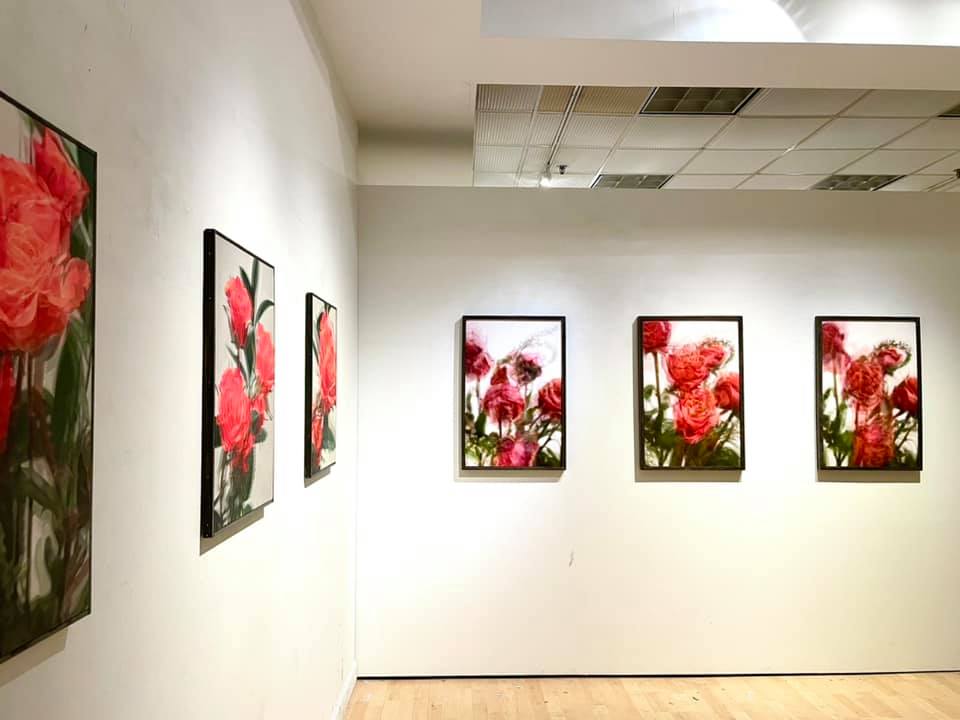
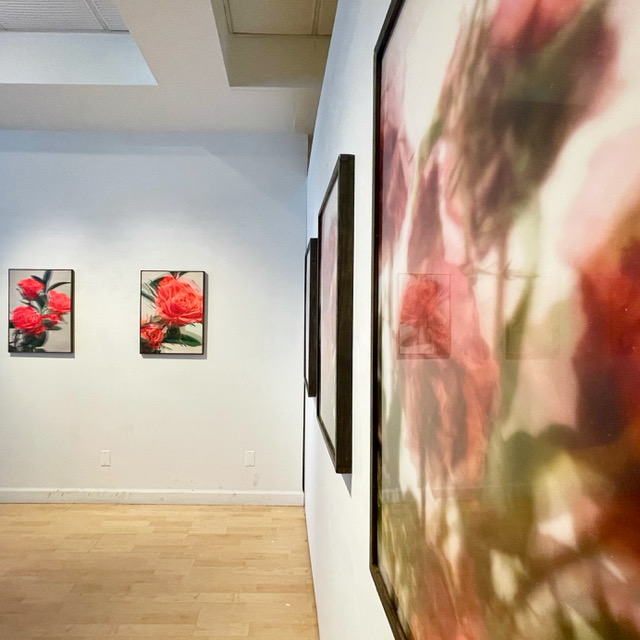
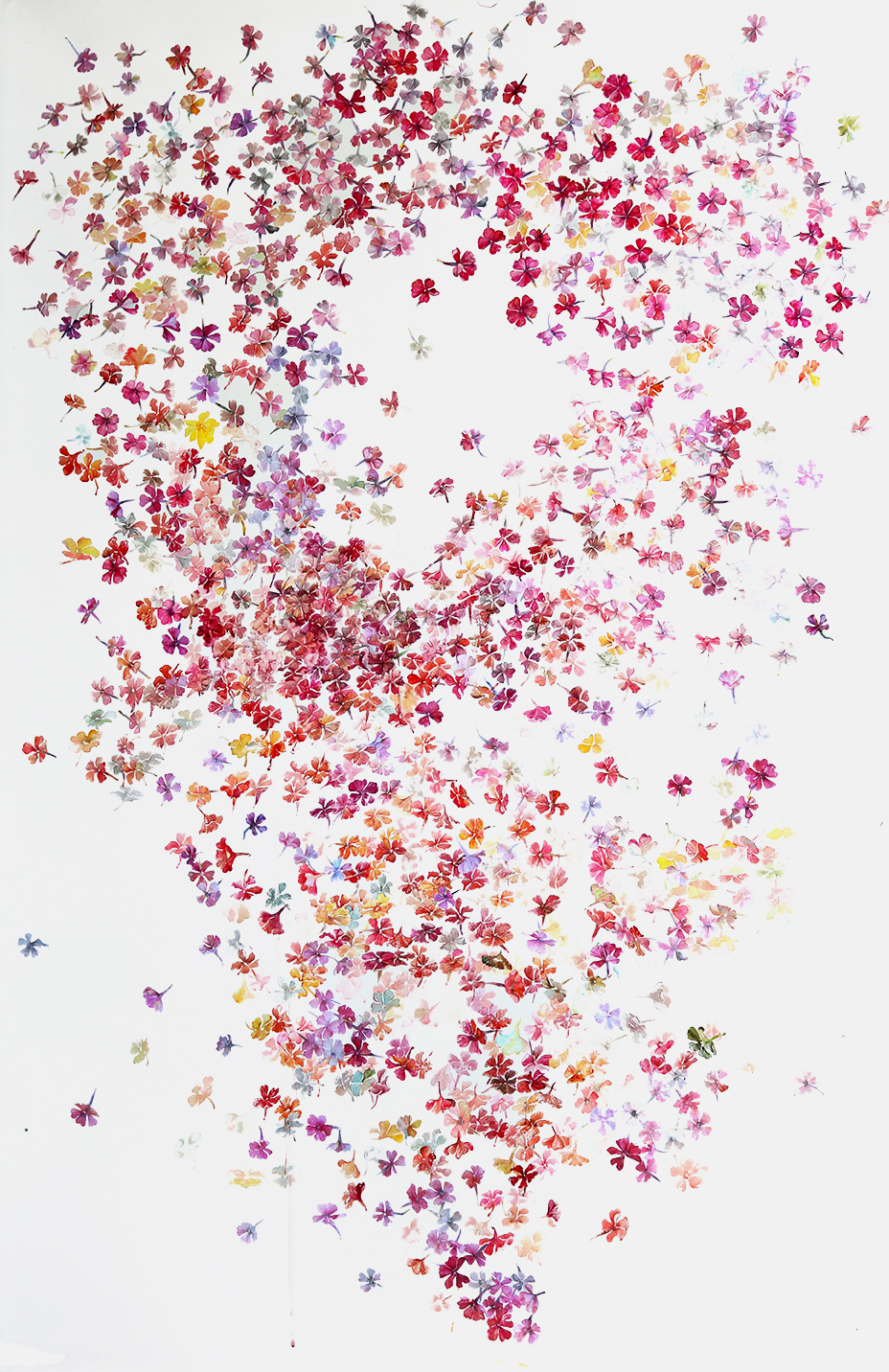
I Love is a site-specific project for Papercut Bar in Austin, TX. These works are about romance, expressing love for the body and the world. This series commenced during a season of global and national chaos, war, and political upheaval that made us constant witnesses to human suffering, urging Jieun Beth to reflect on what relationships are actually for. The exhibit holds both sides of that: love for the people we keep, and the grief that follows when we lose them, a way of instilling a deeper appreciation for how precious life is.
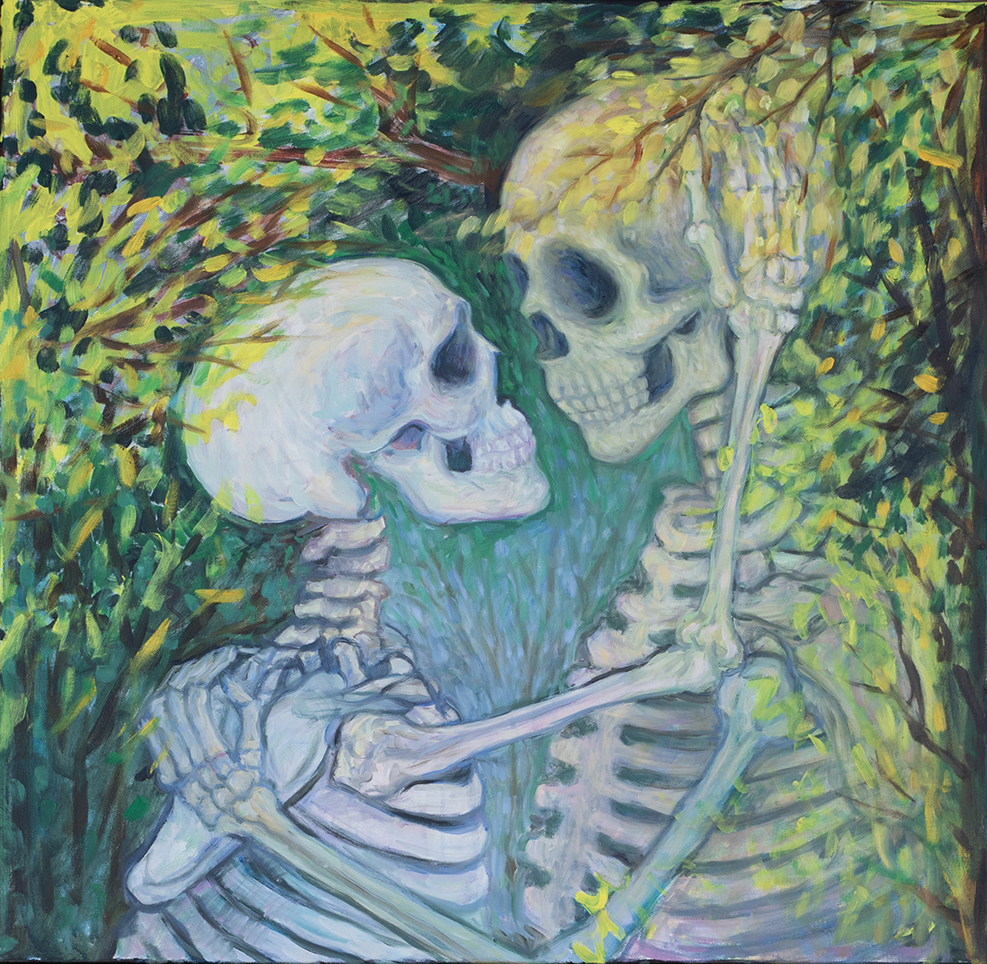
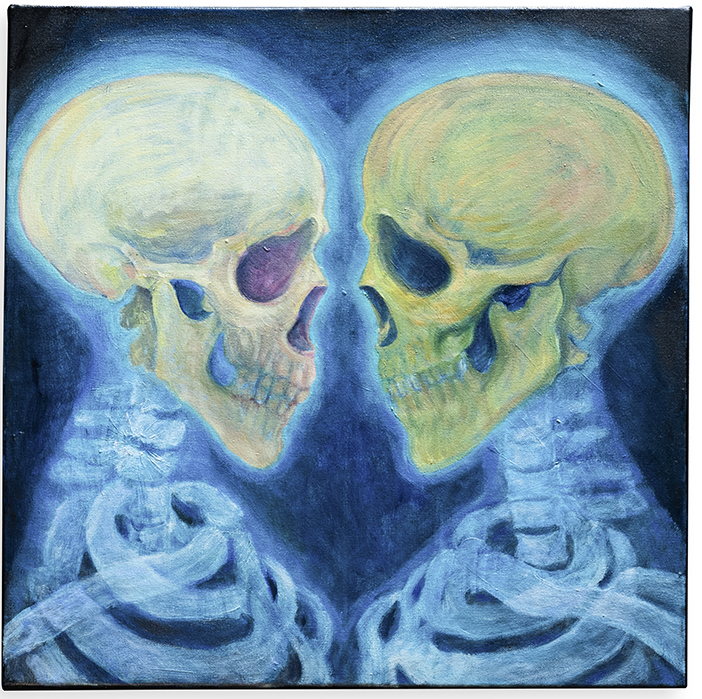
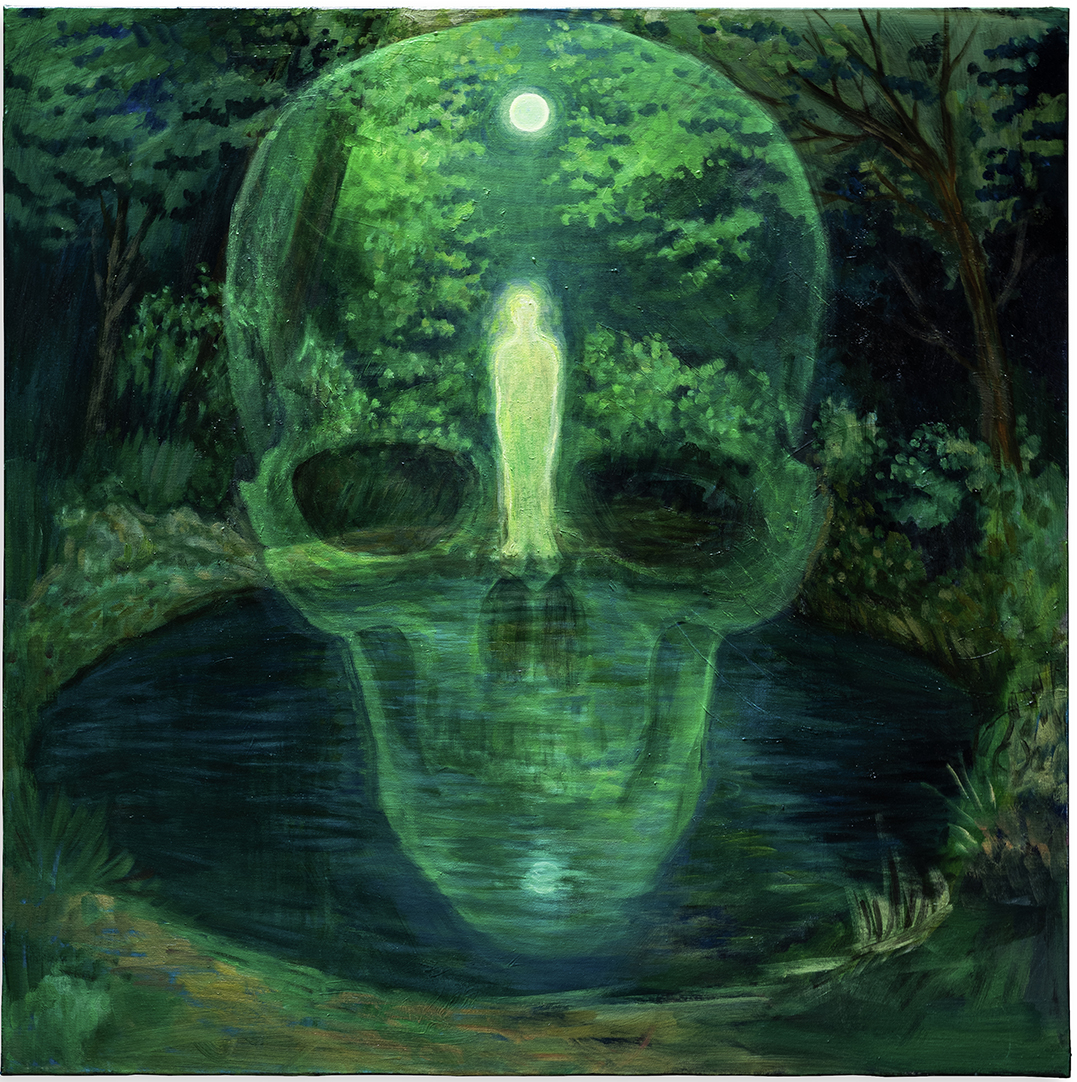
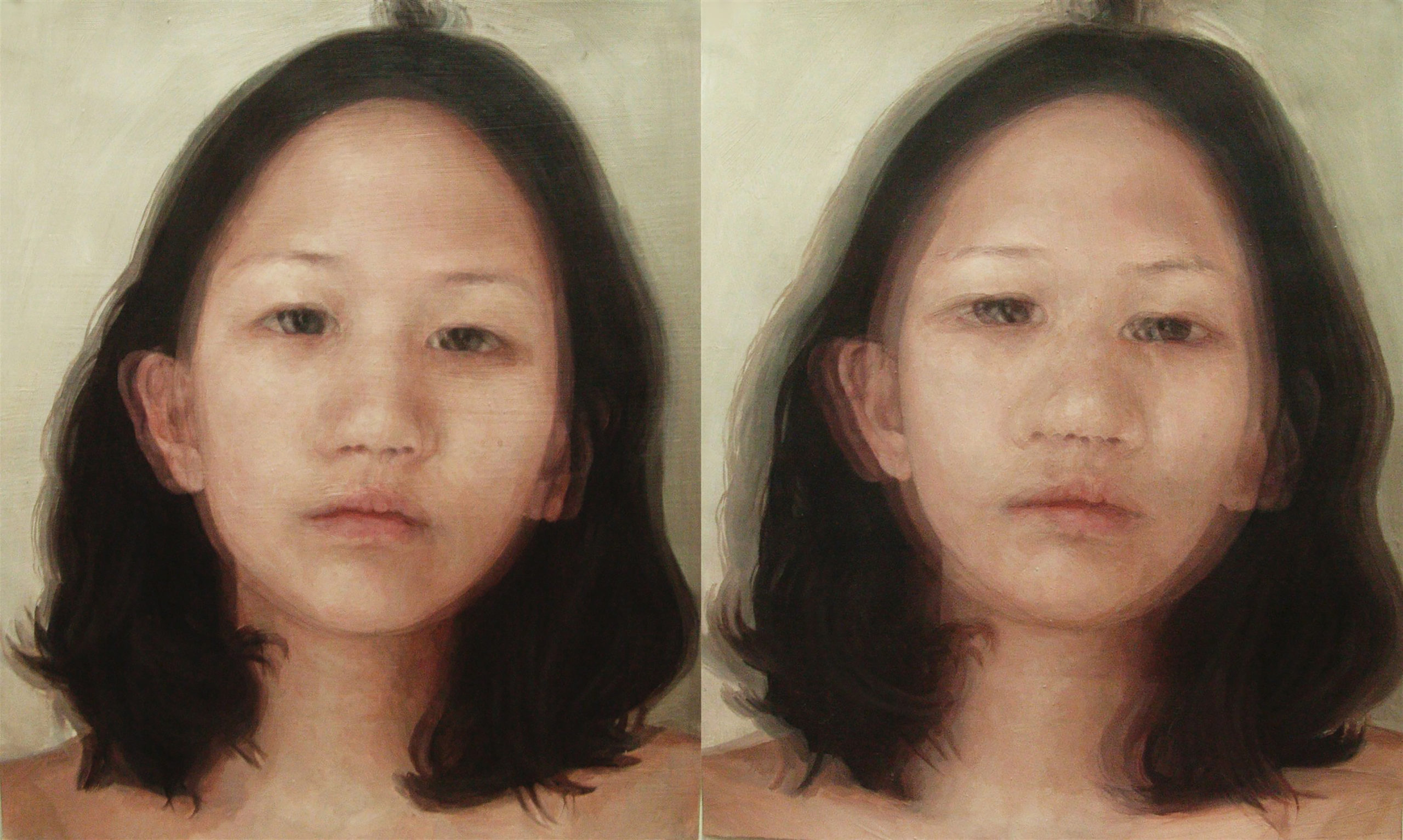
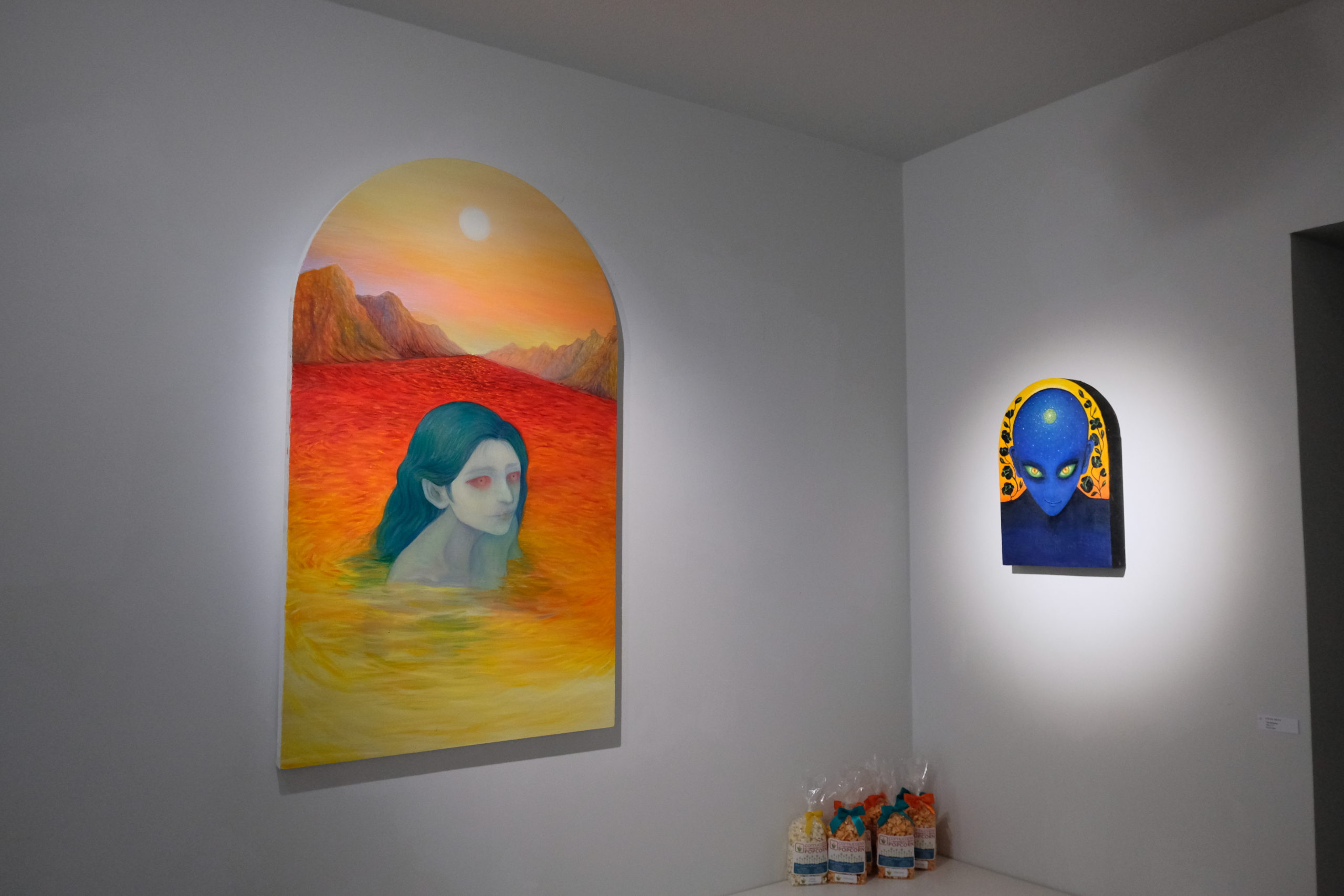
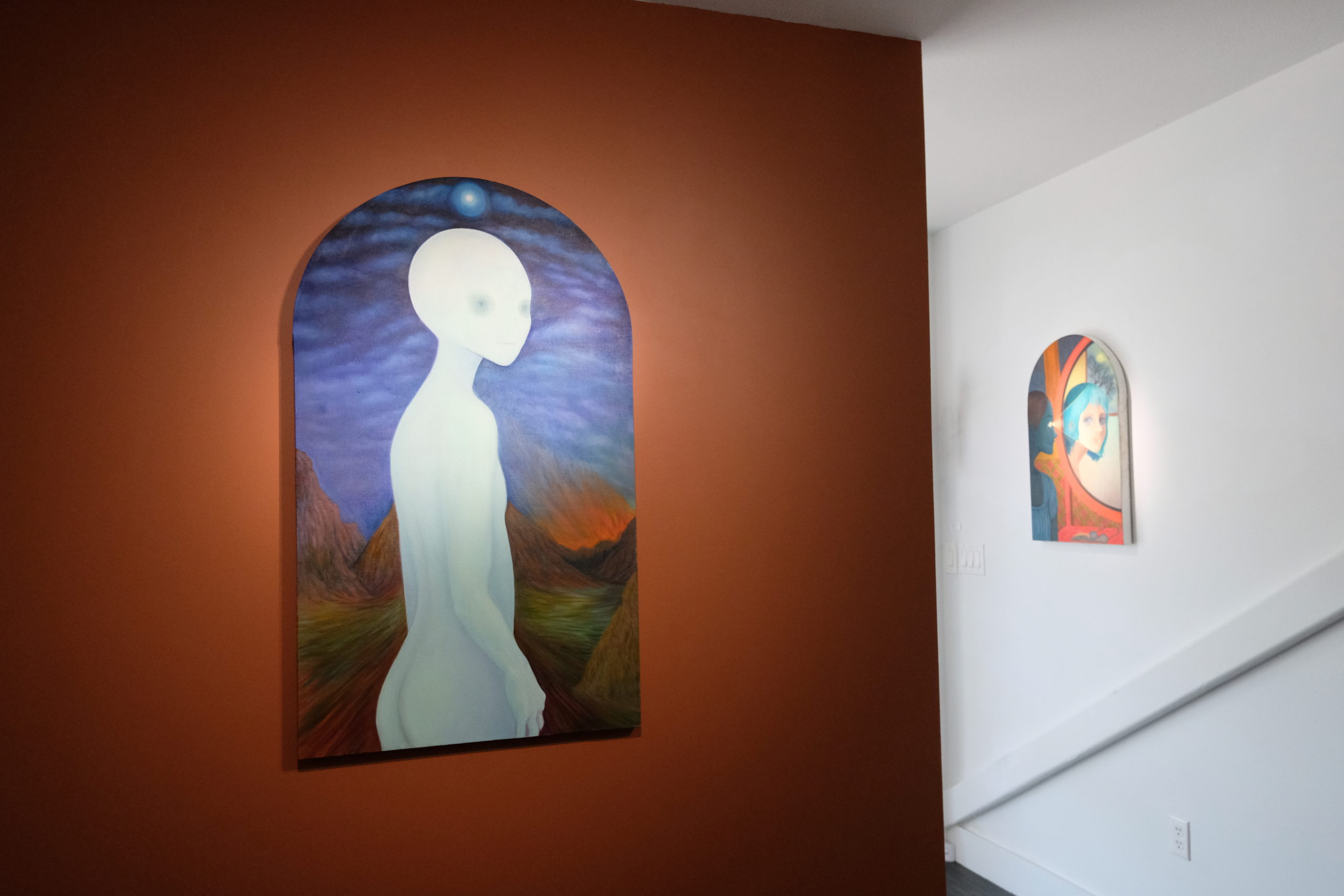
Regale reflects on authenticity as the core of identity. Drawing from both Manhwa and Impressionist styles, Jieun Beth weaves the Eastern and Western influences that shaped her early life. Archetypal figures carry her external, internal, and spiritual selves at once, an homage to how multifaceted selfhood really is.
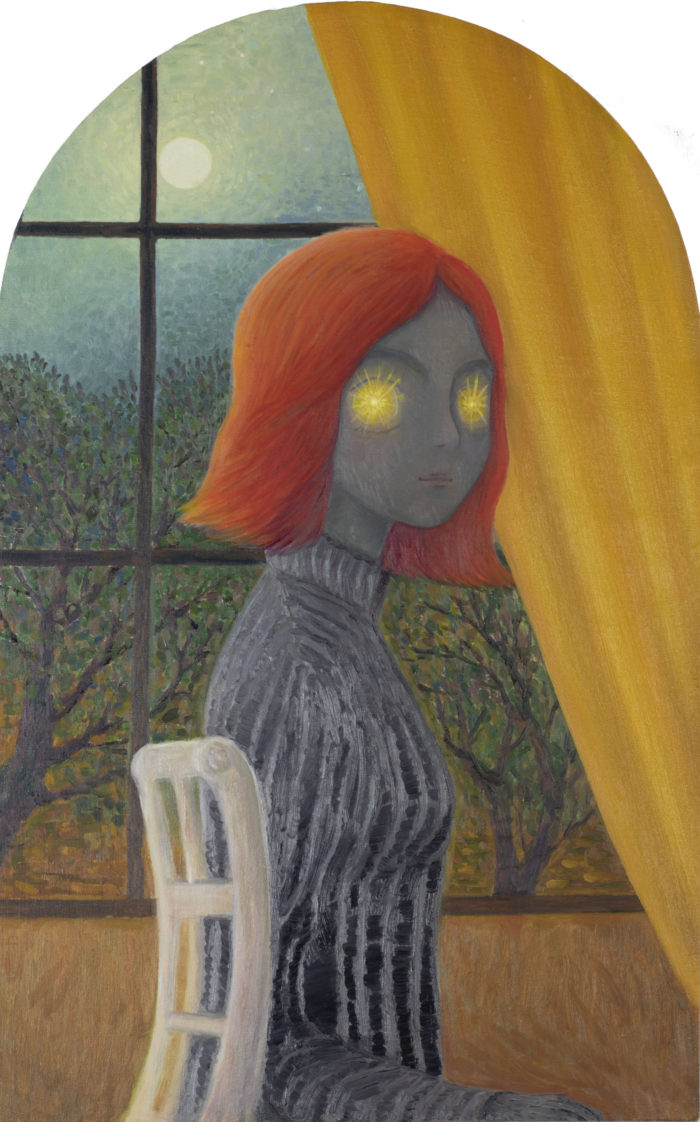
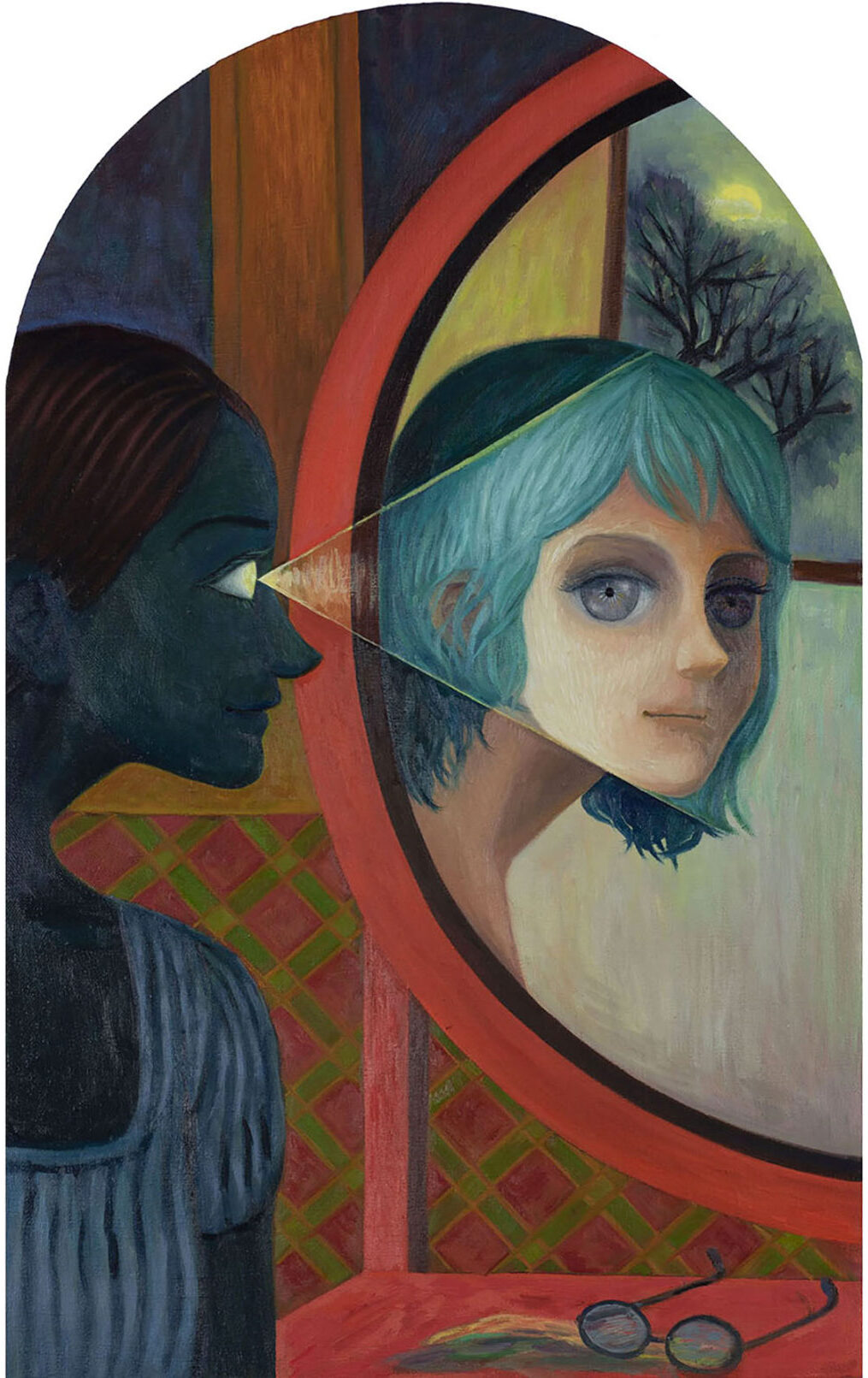
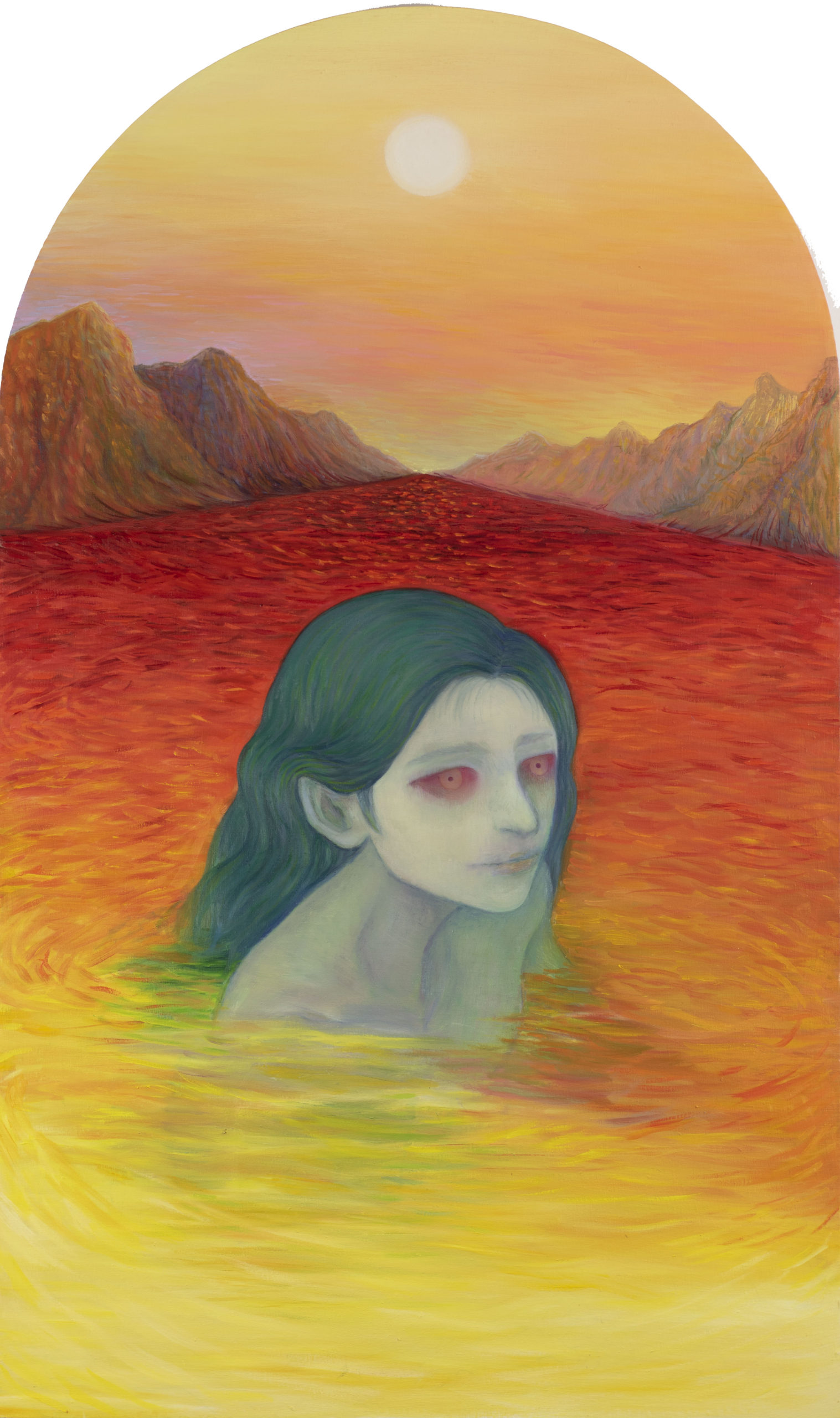
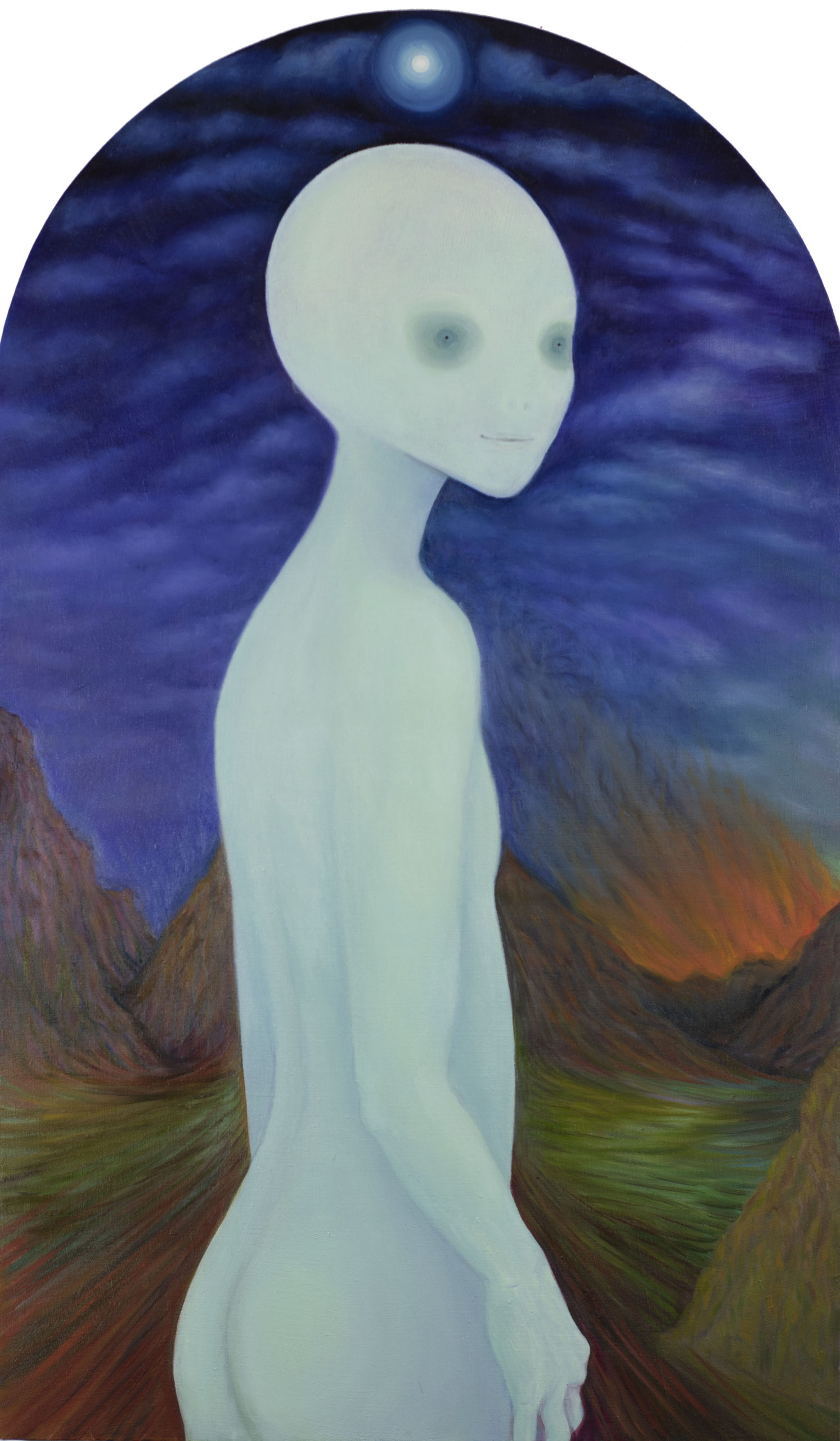
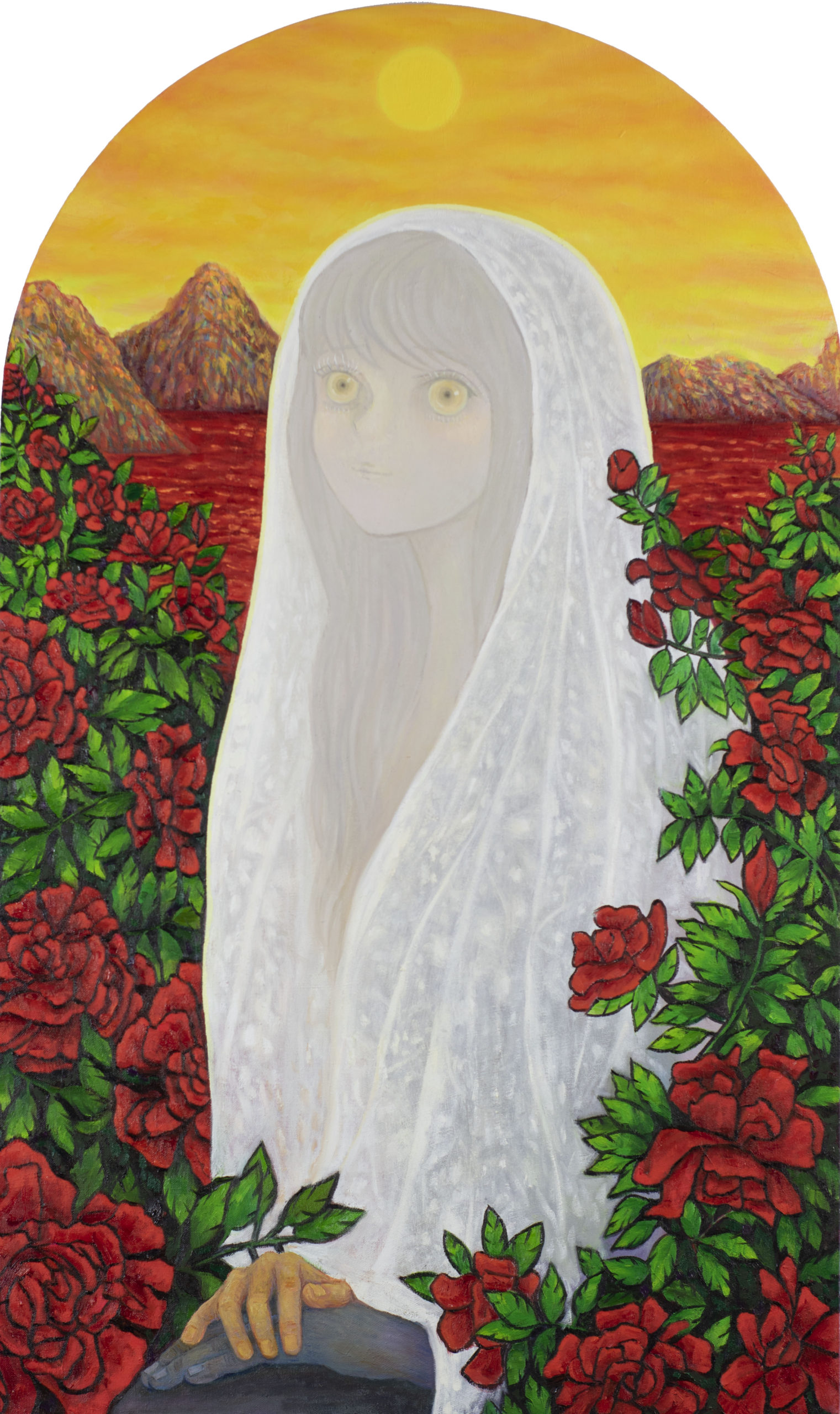
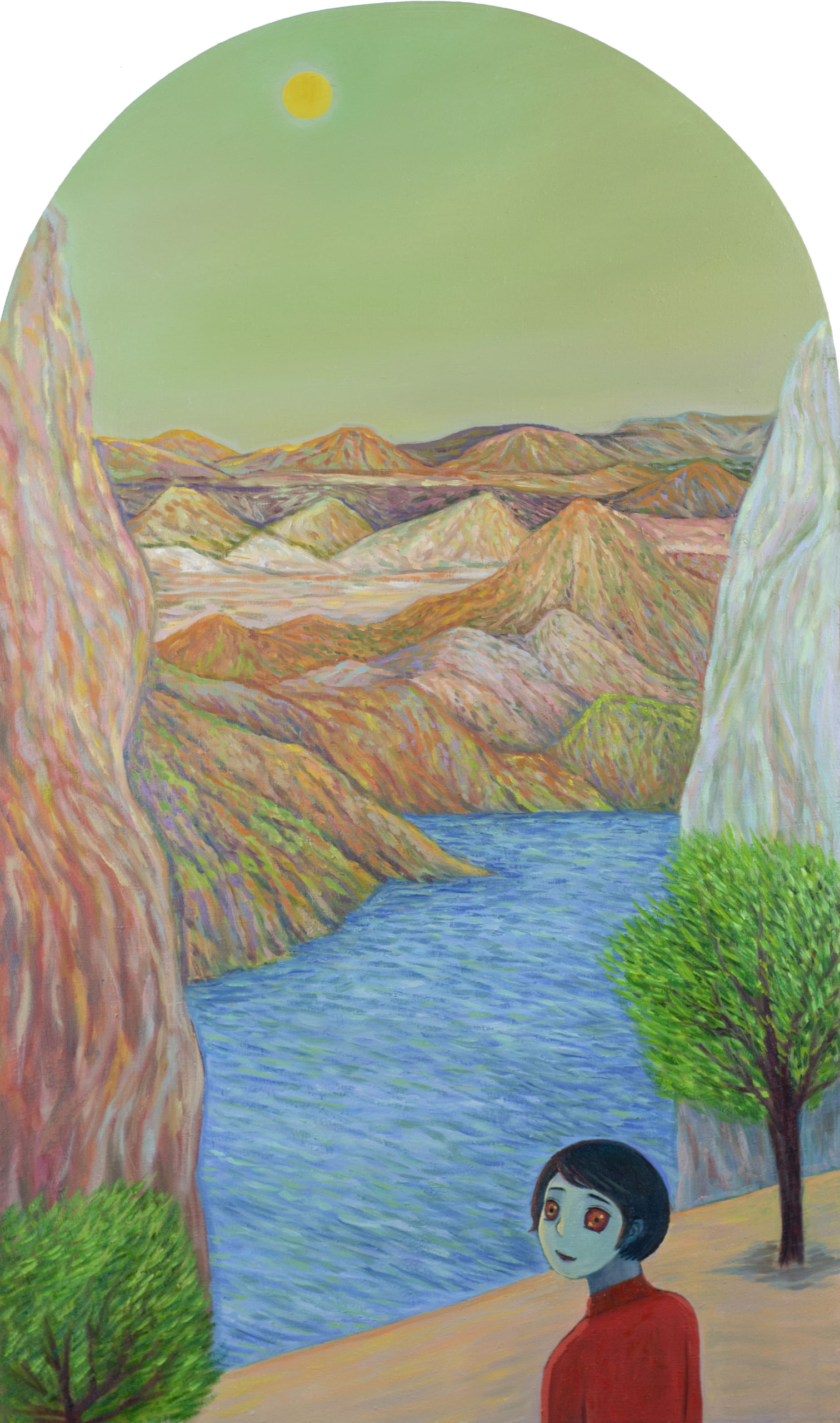
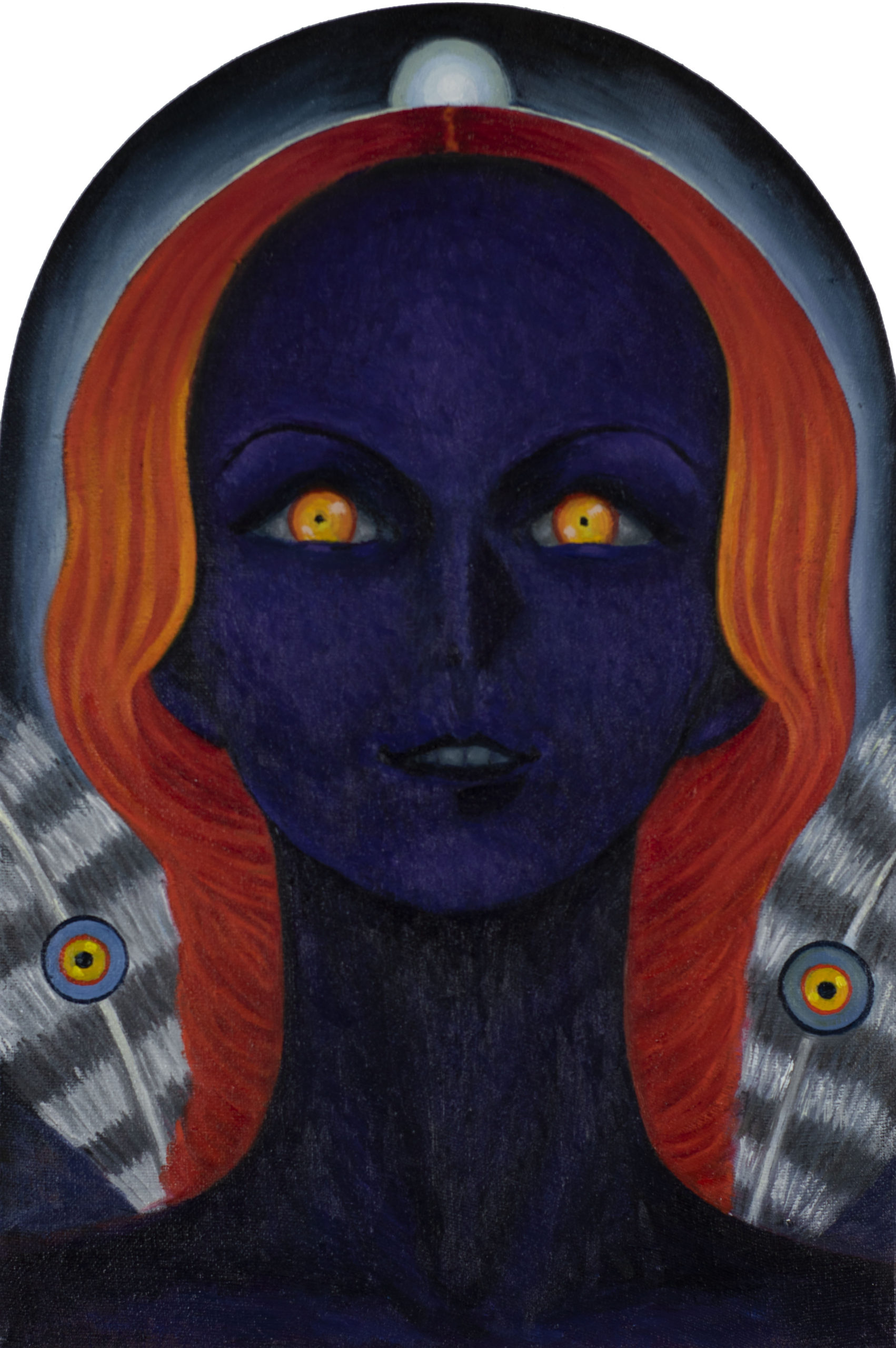
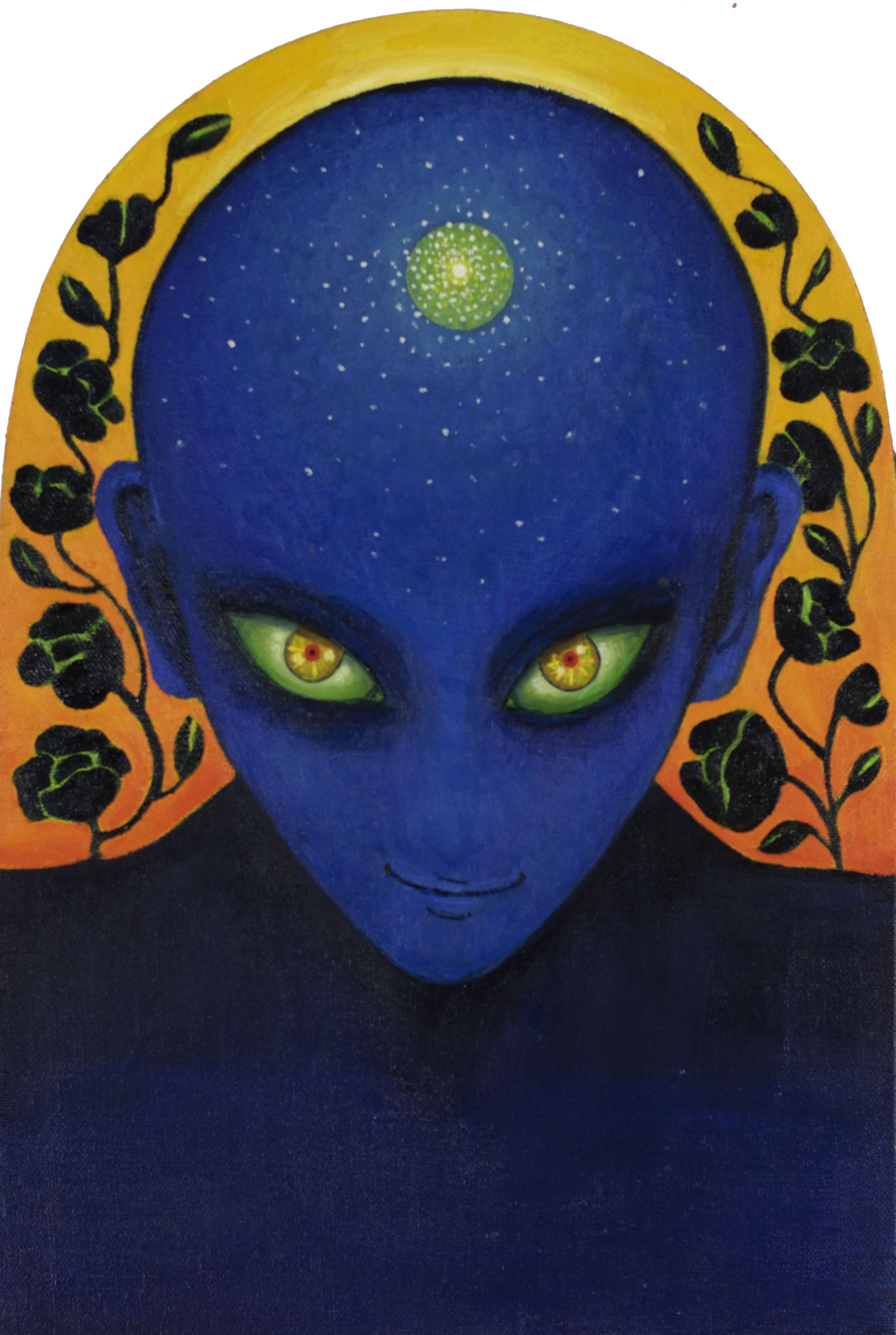
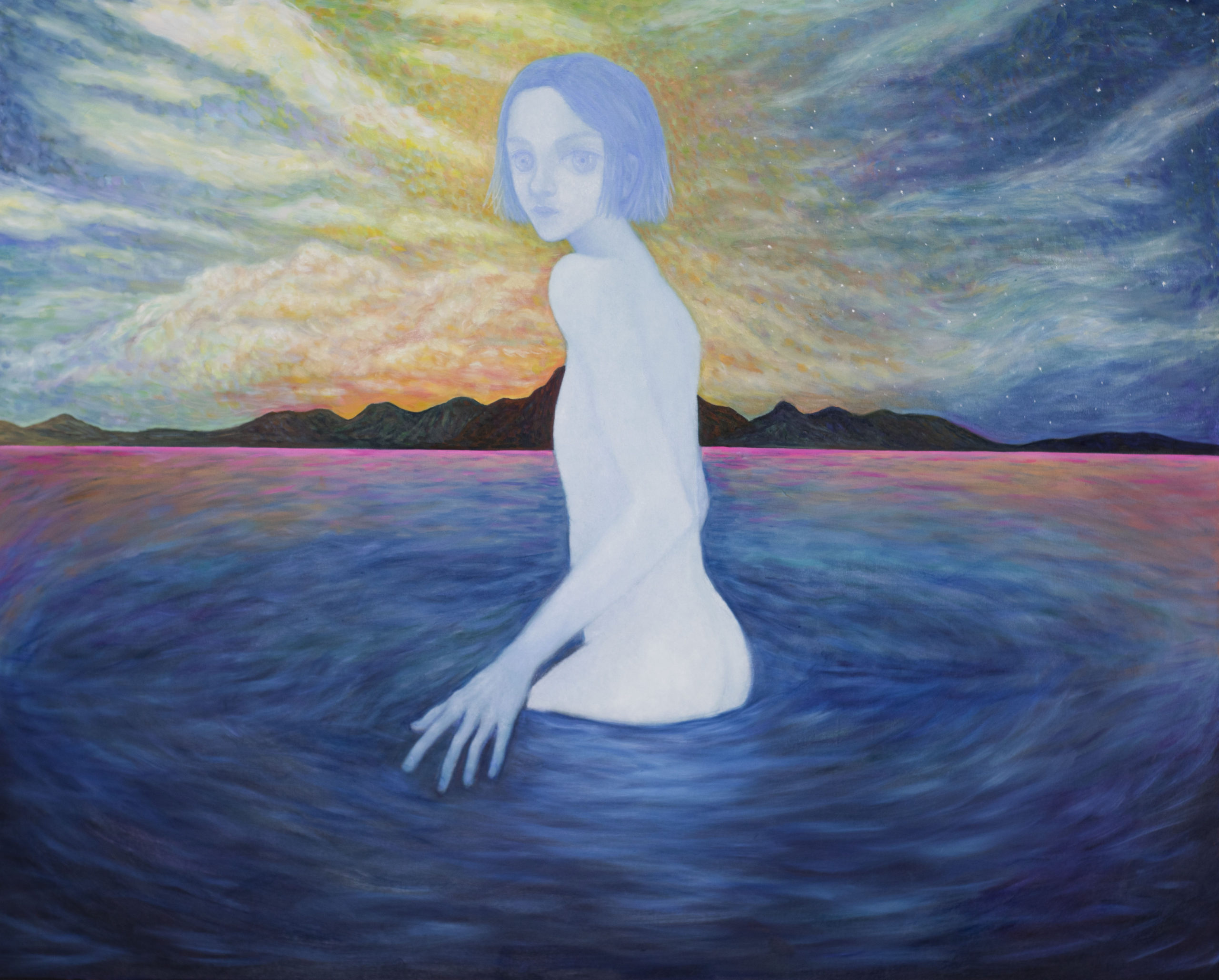
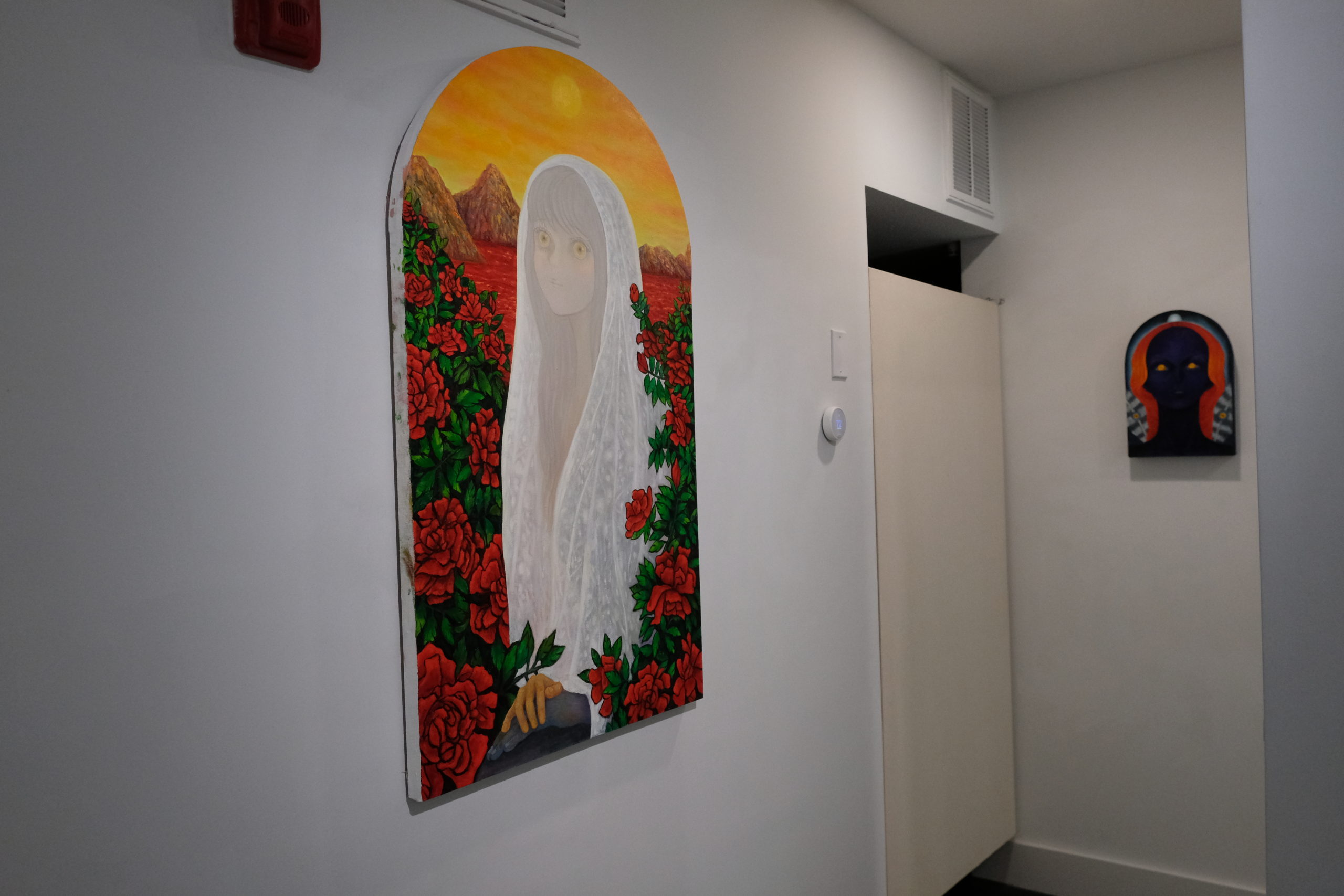
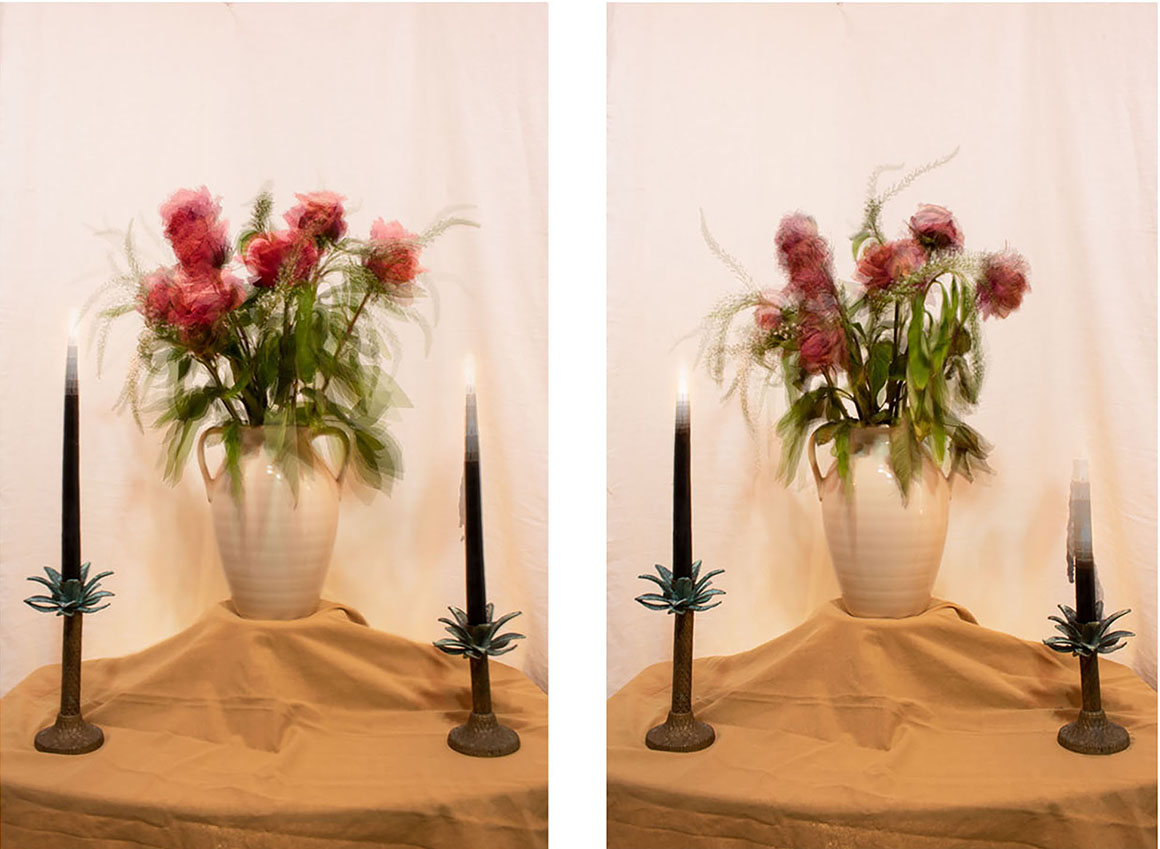
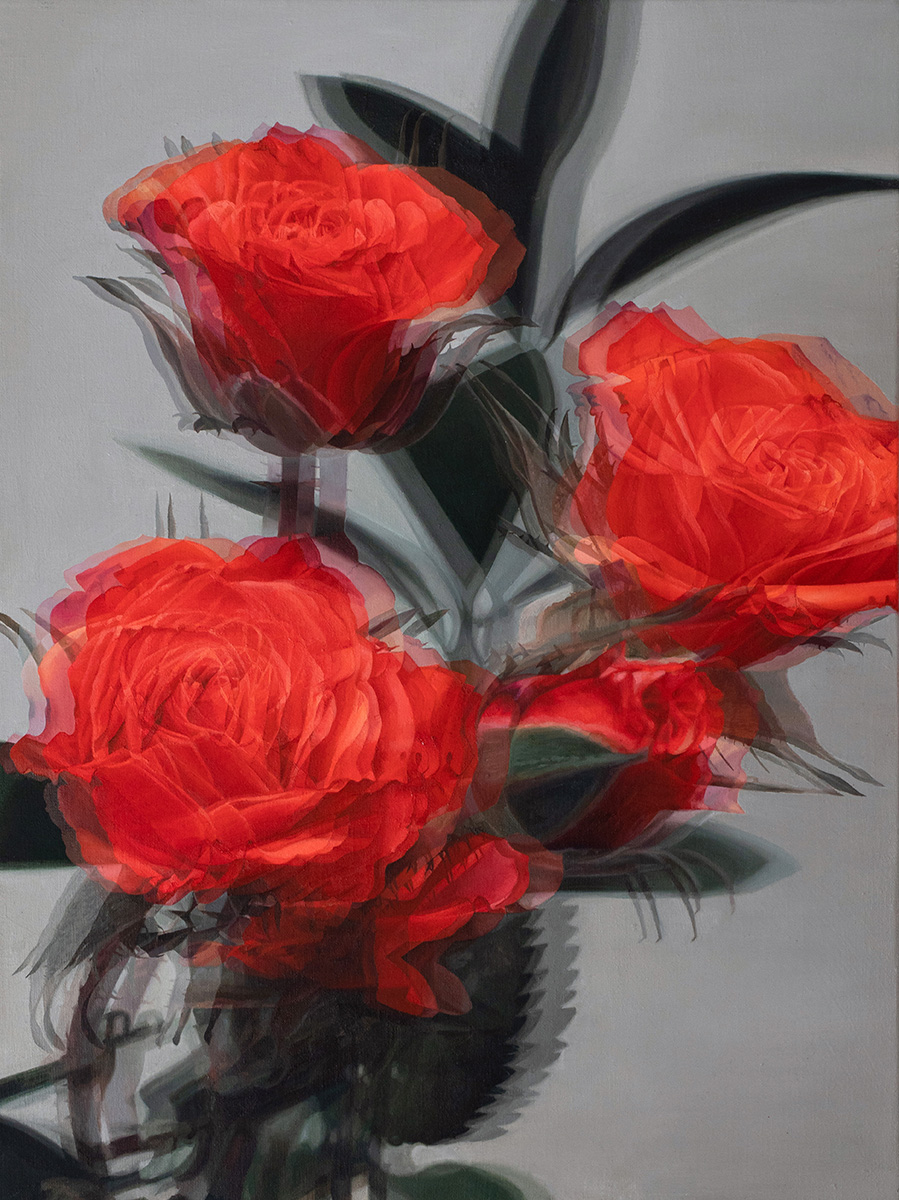
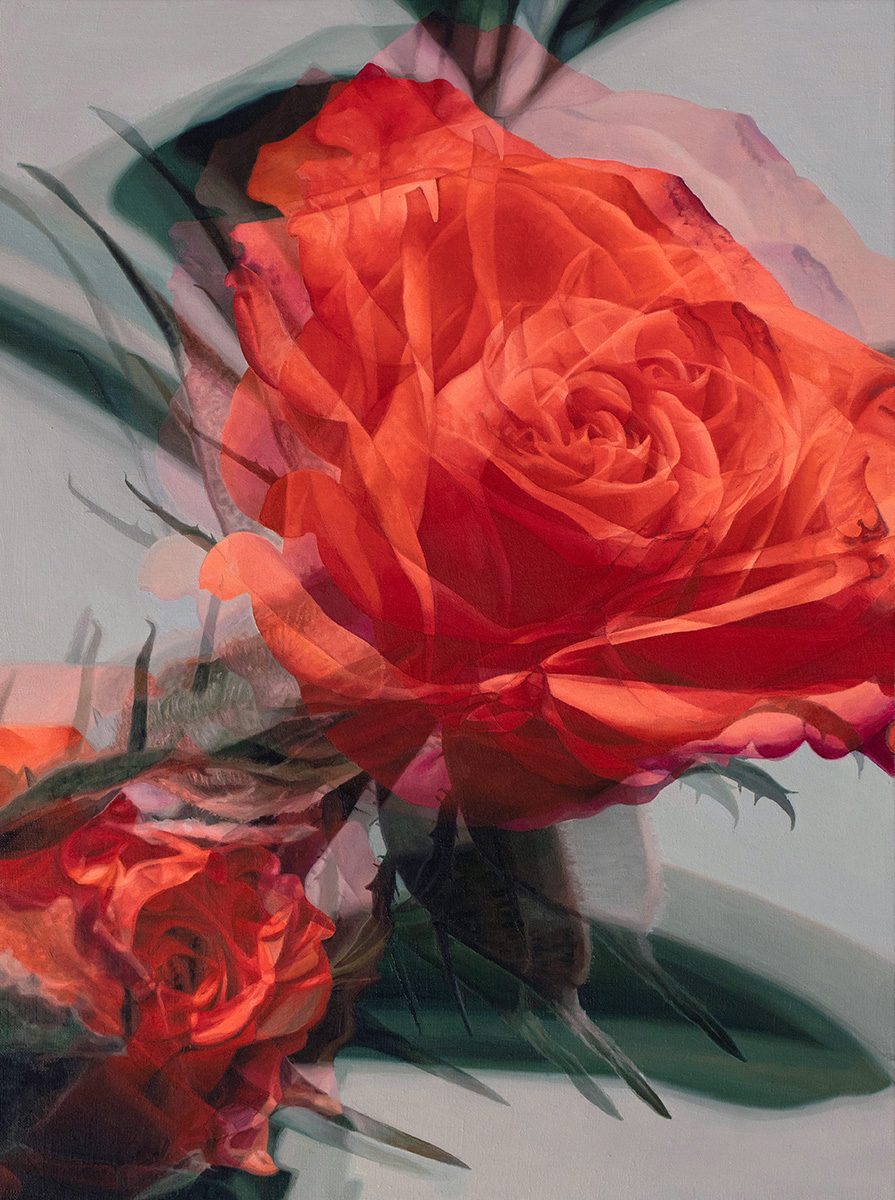
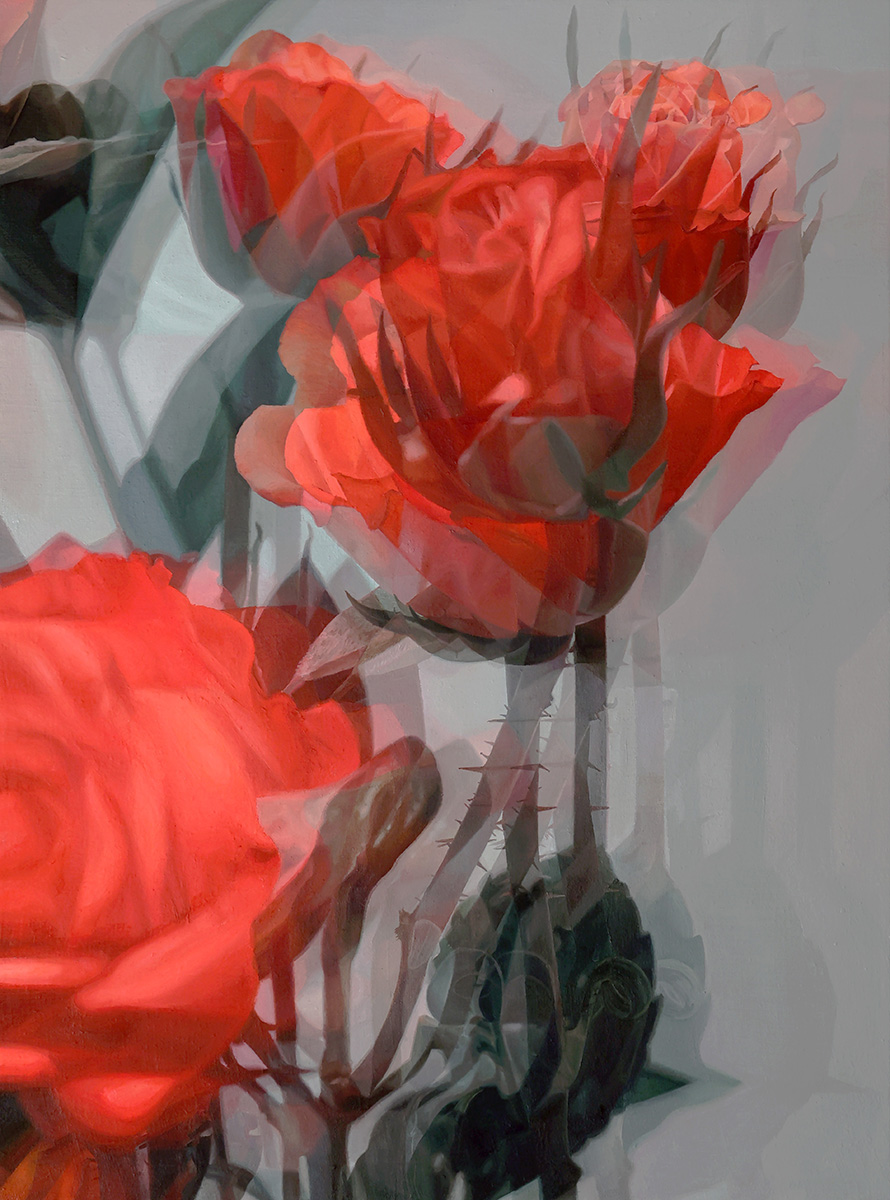
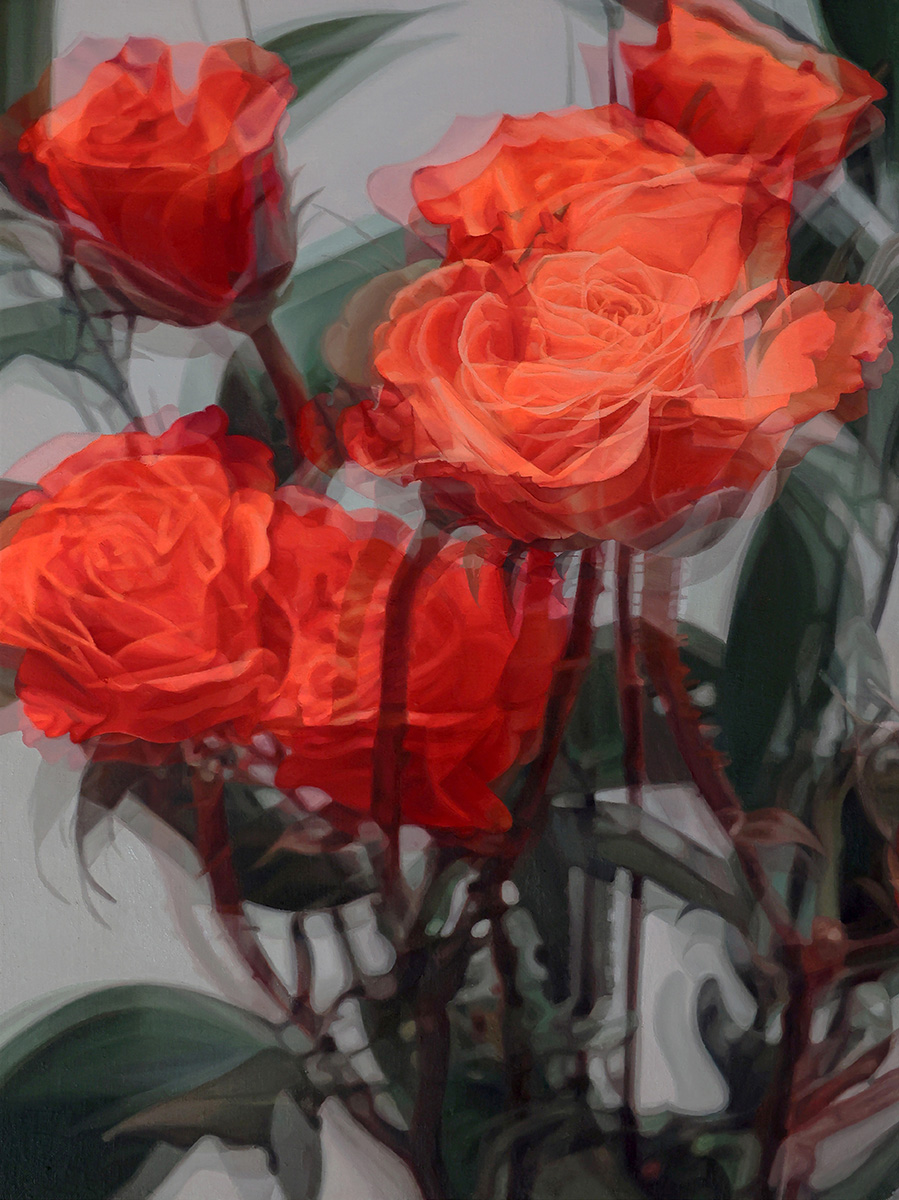
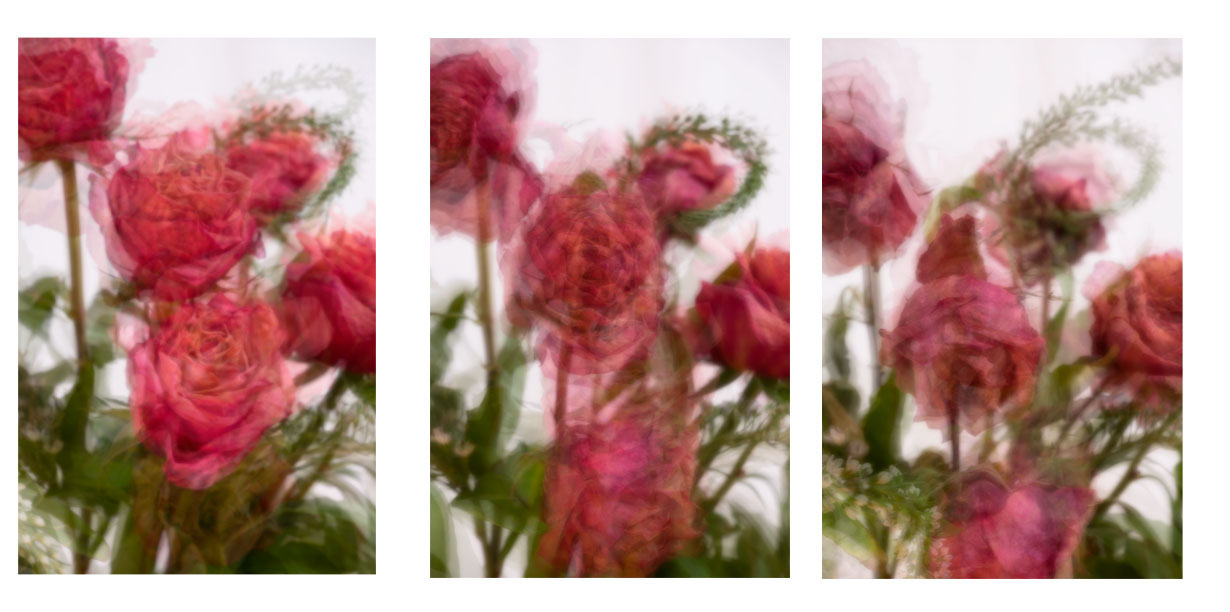
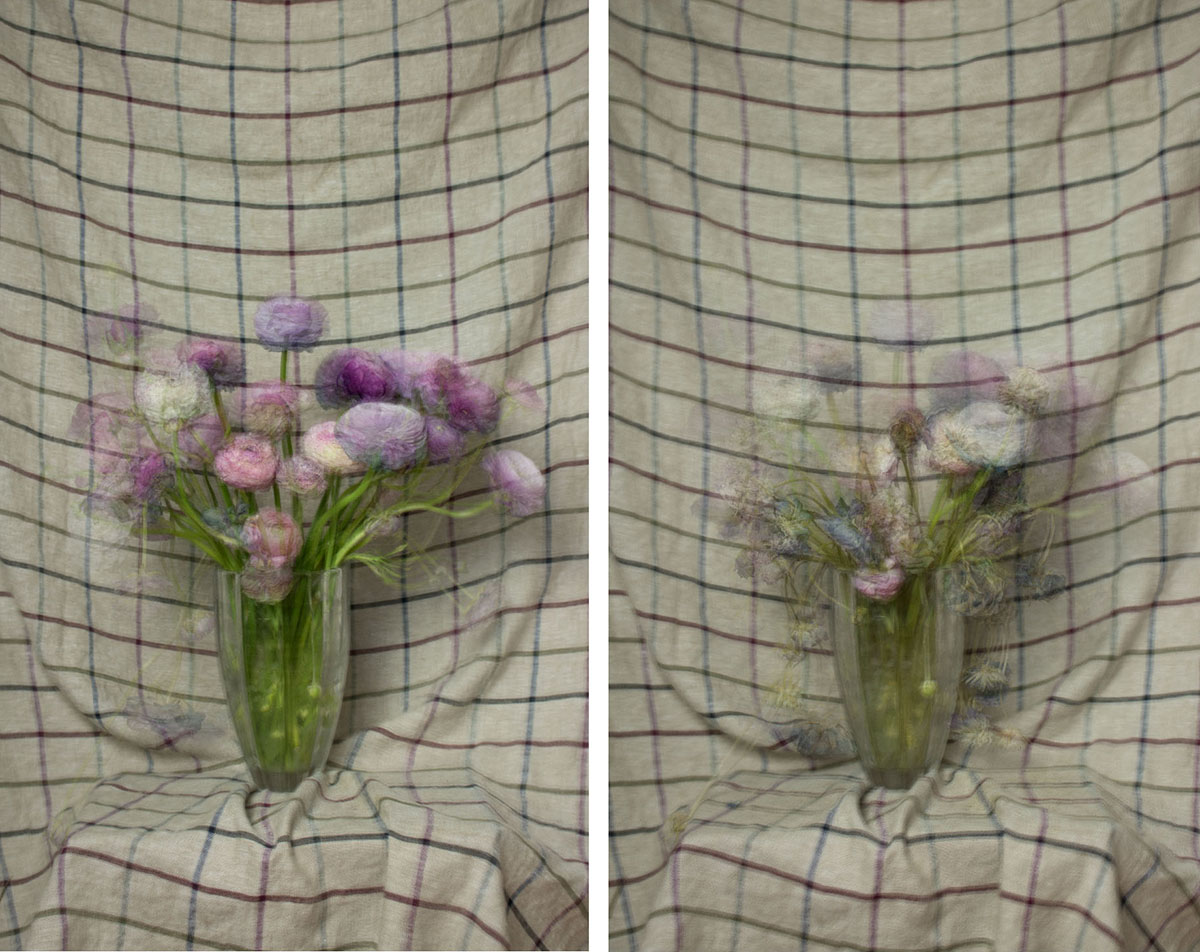
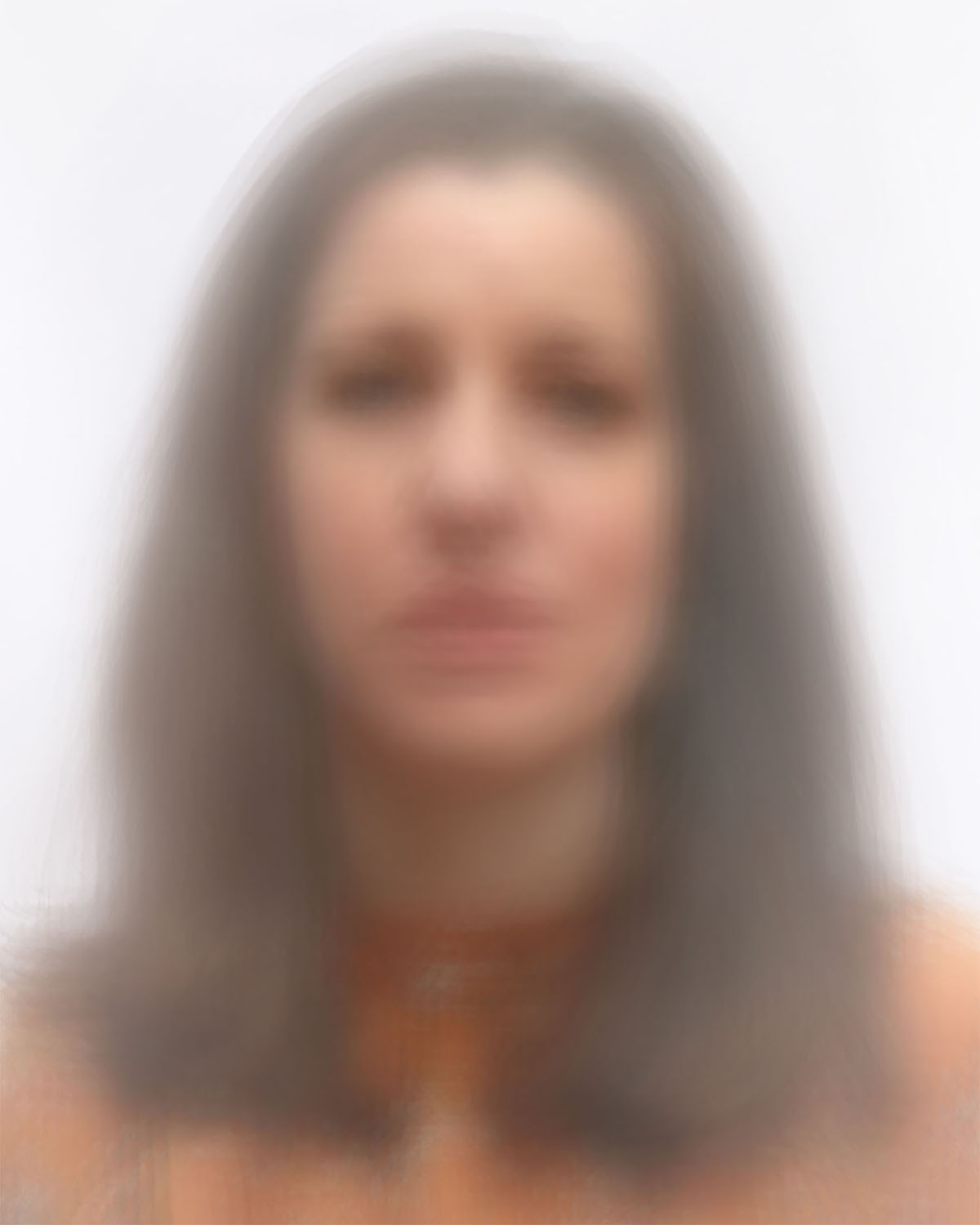
Glow hinges on beliefs that shape how we see ourselves and each other, and shape experience itself. It blurs focus and softens boundaries, literally and figuratively, asking viewers to question rigid and divisive perspectives. The invitation, symbolically, is to dissolve hard edges: a gentler, more expansive way of meeting the world.
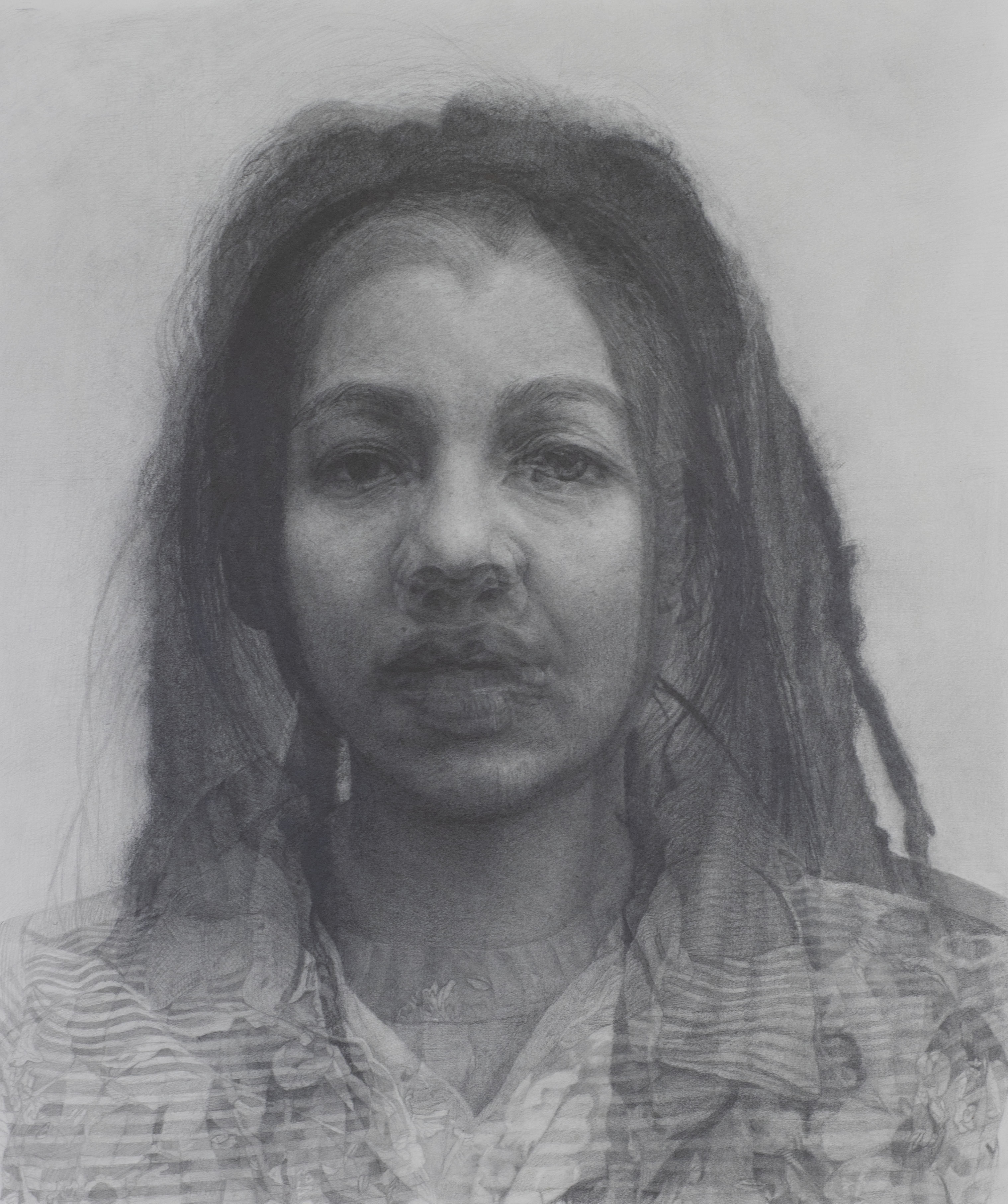
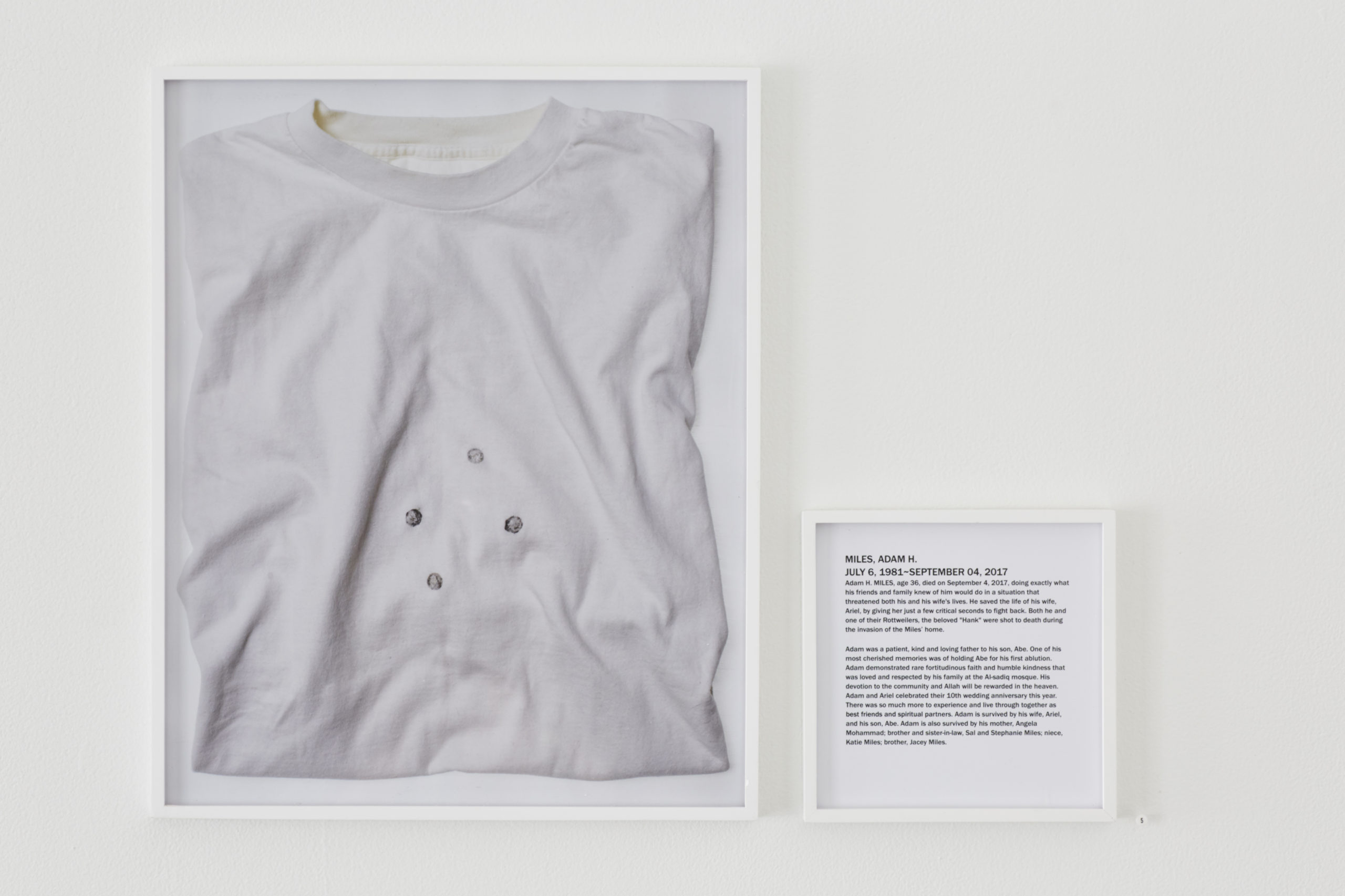
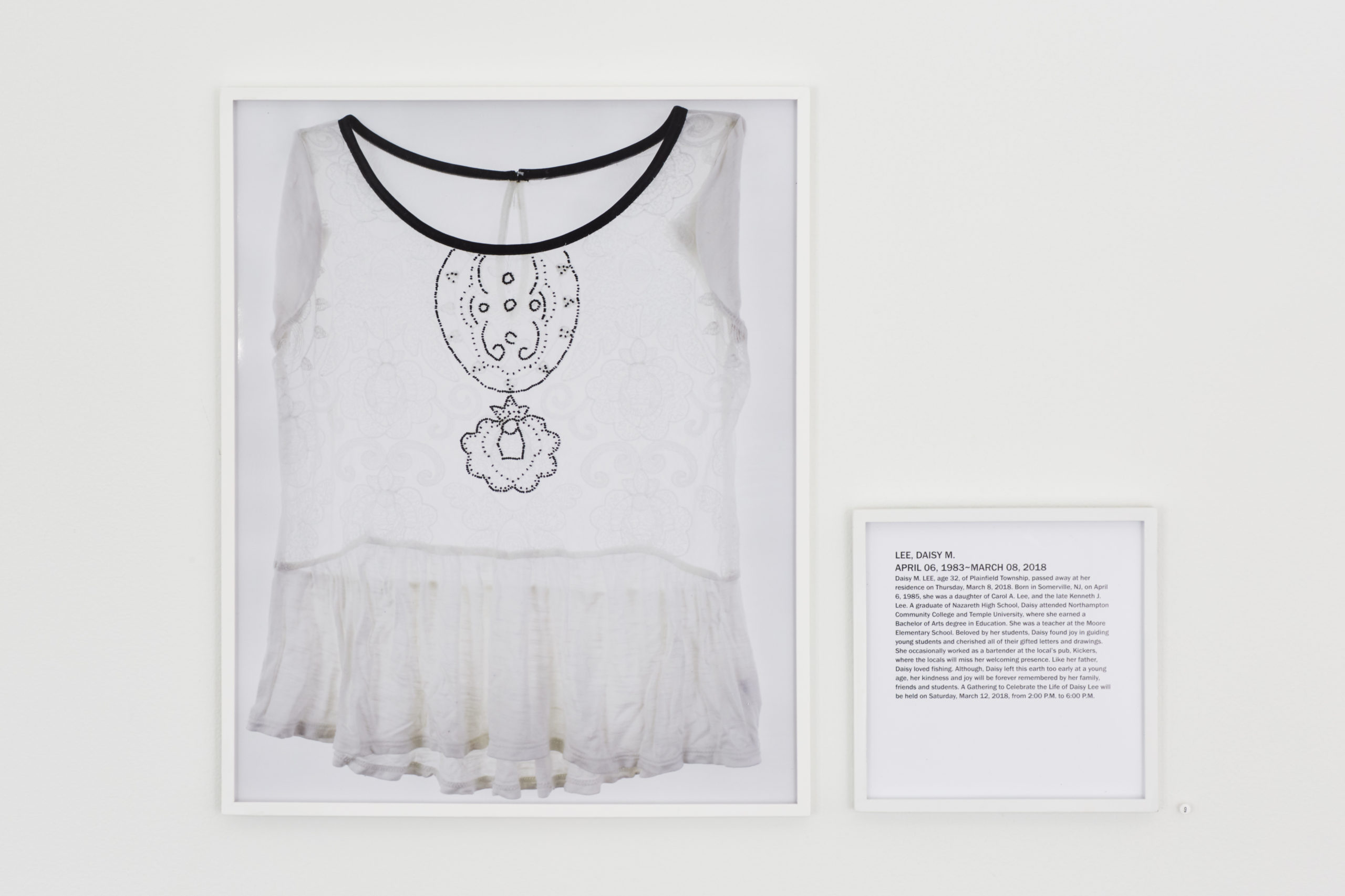
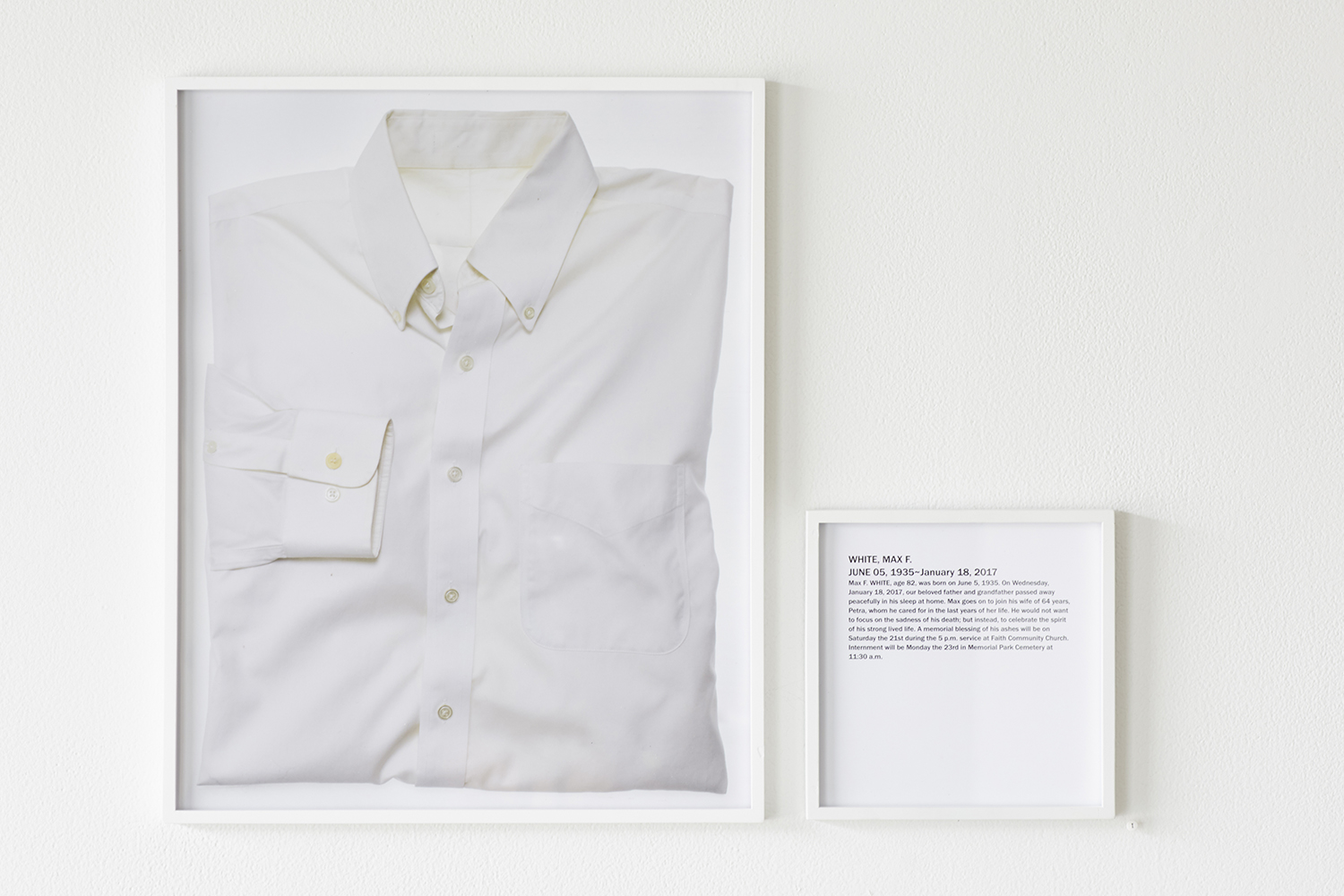
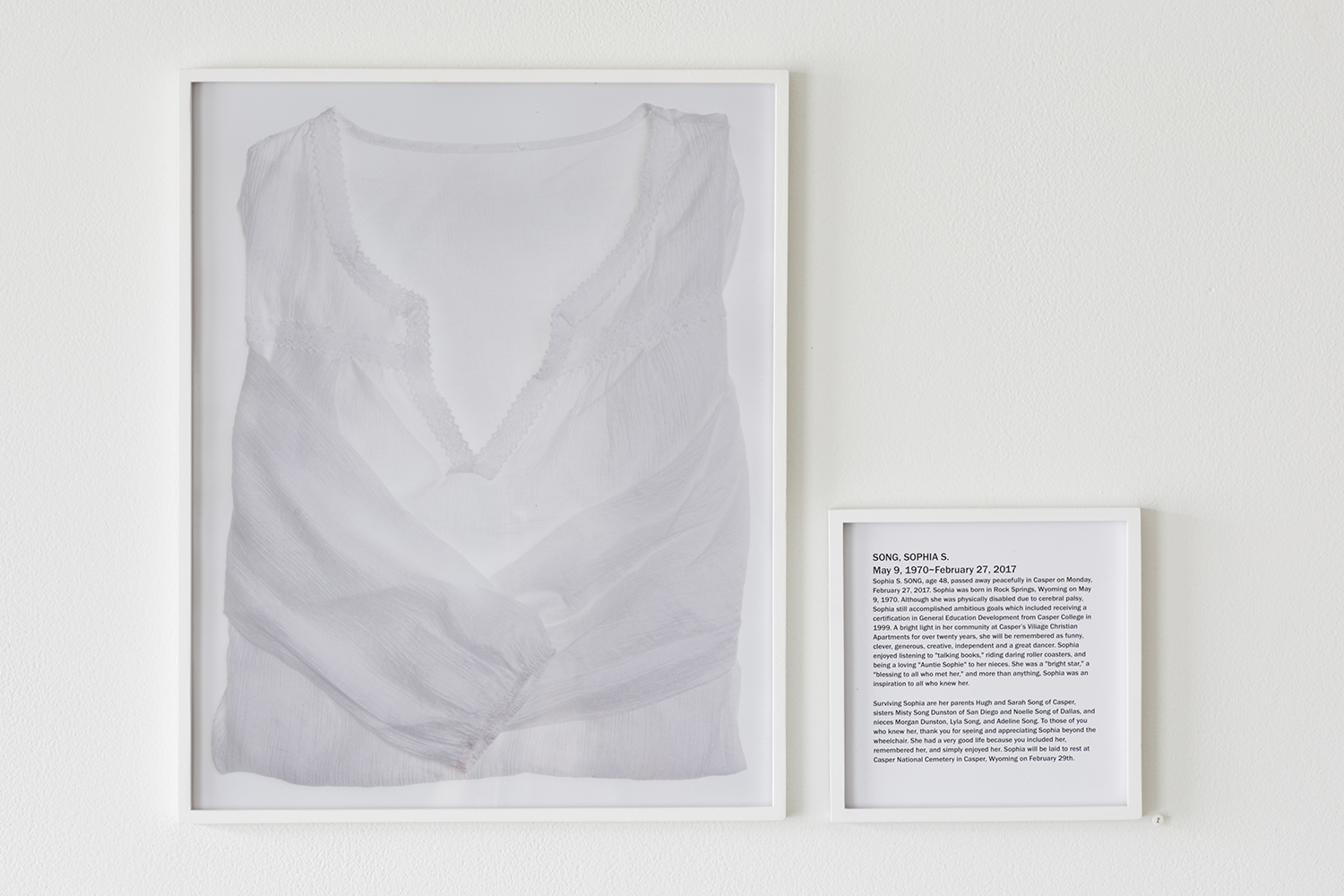
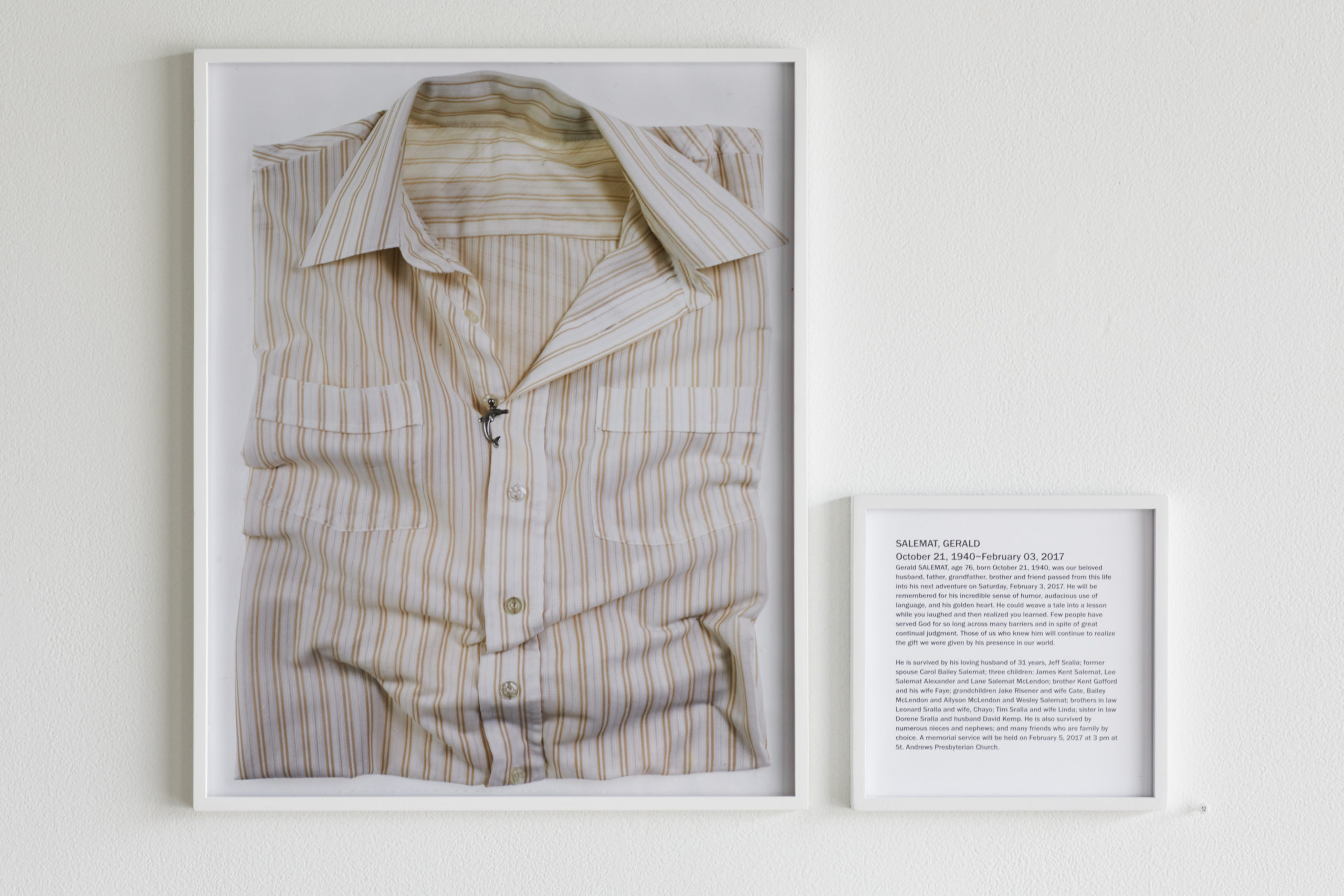
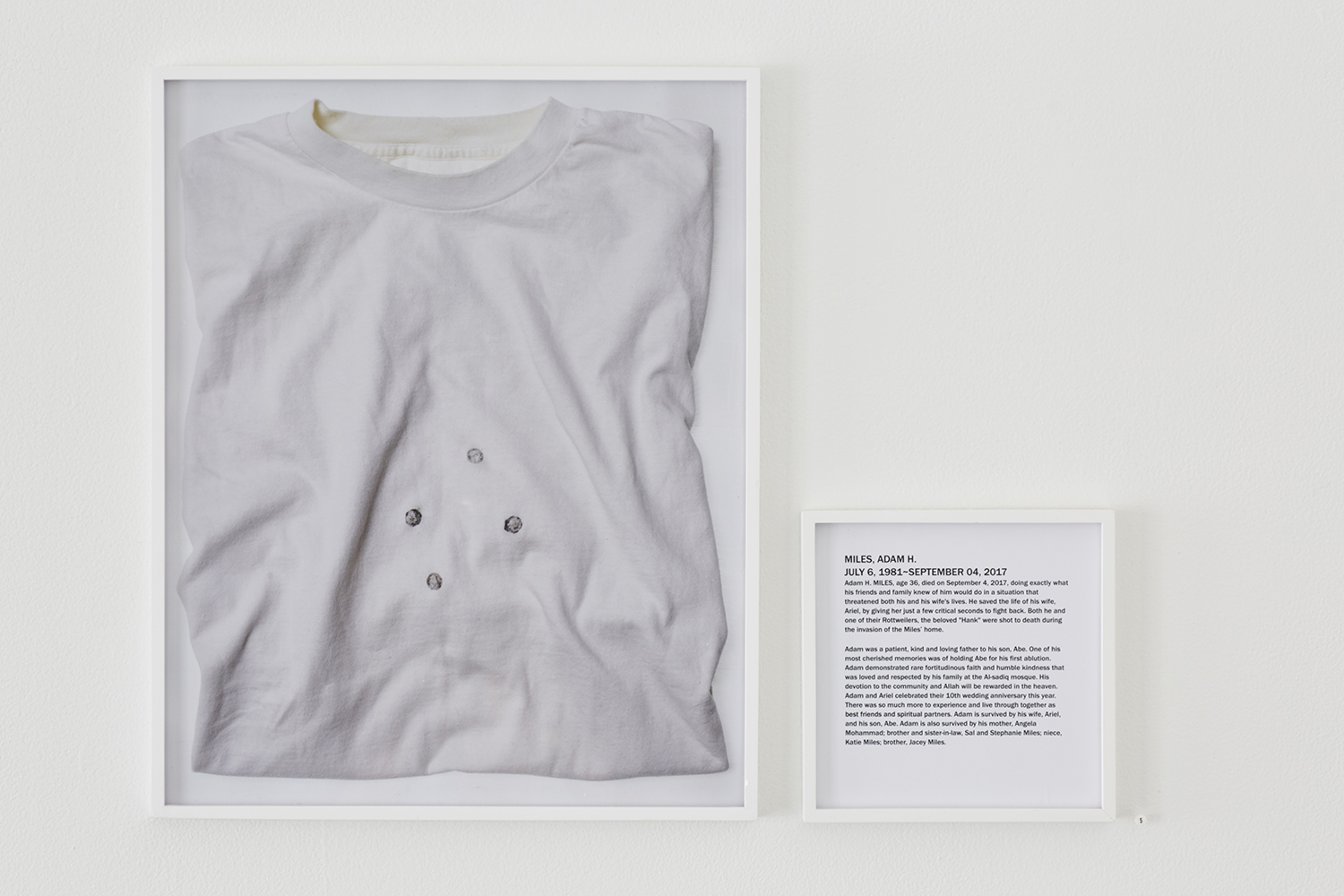
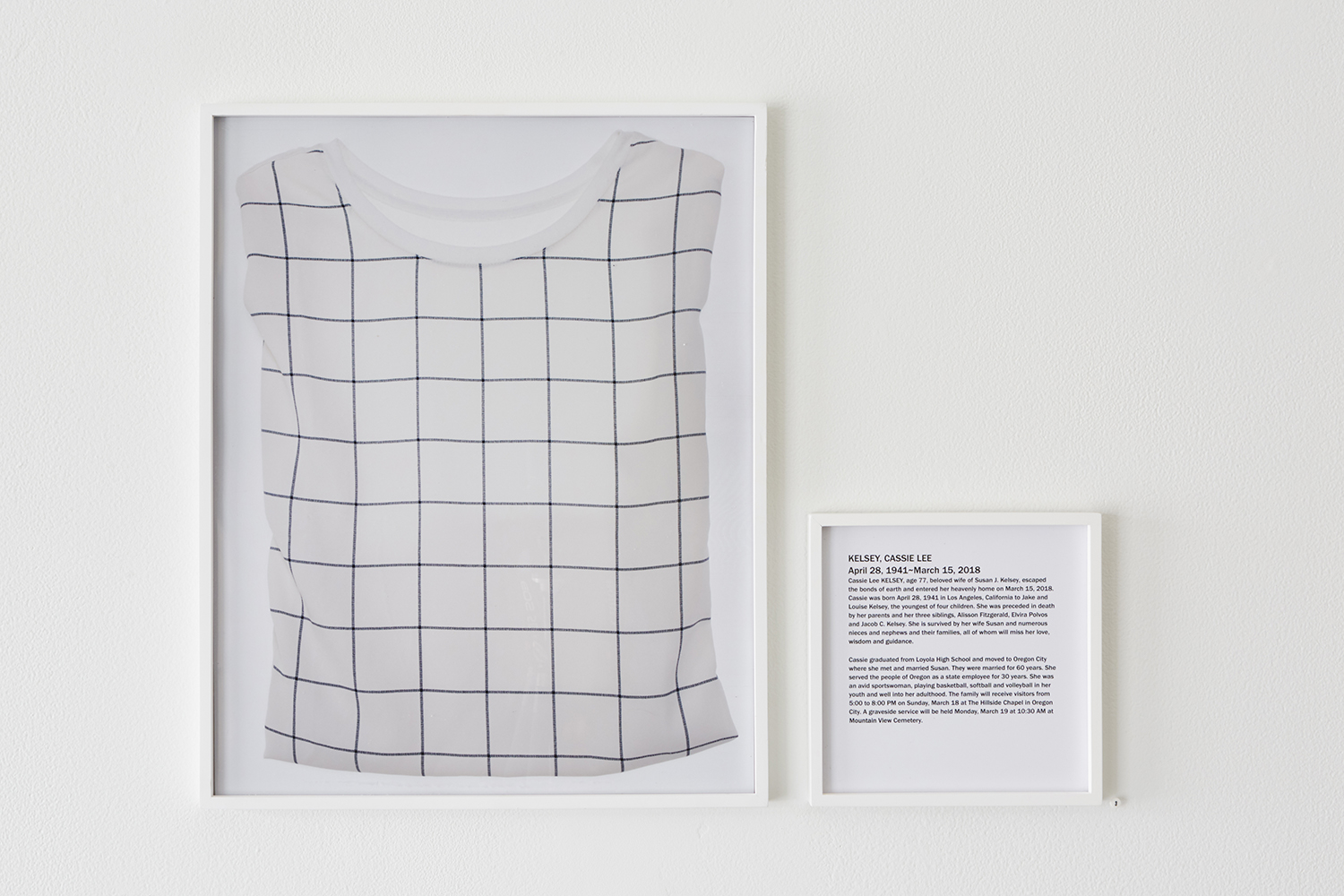
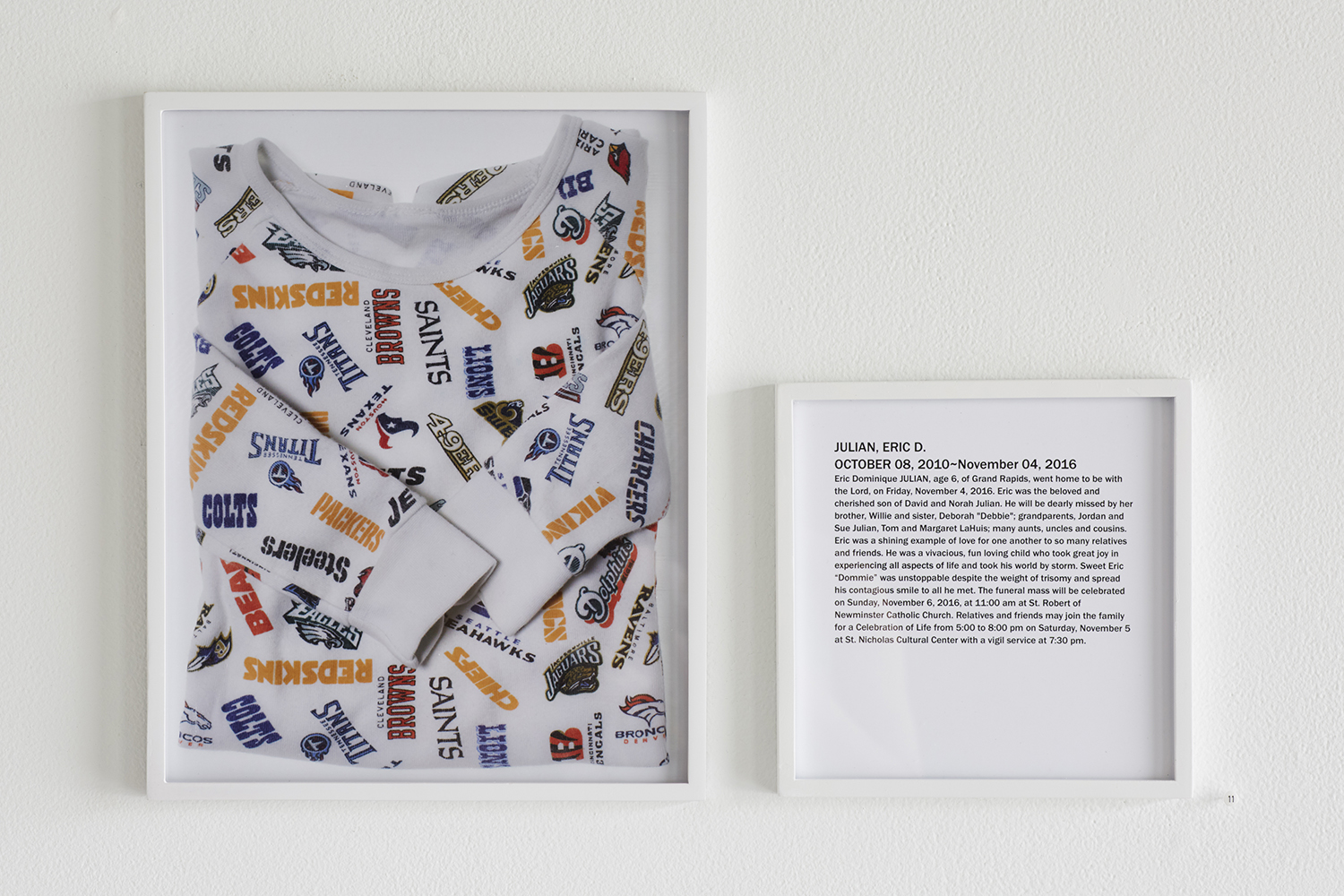
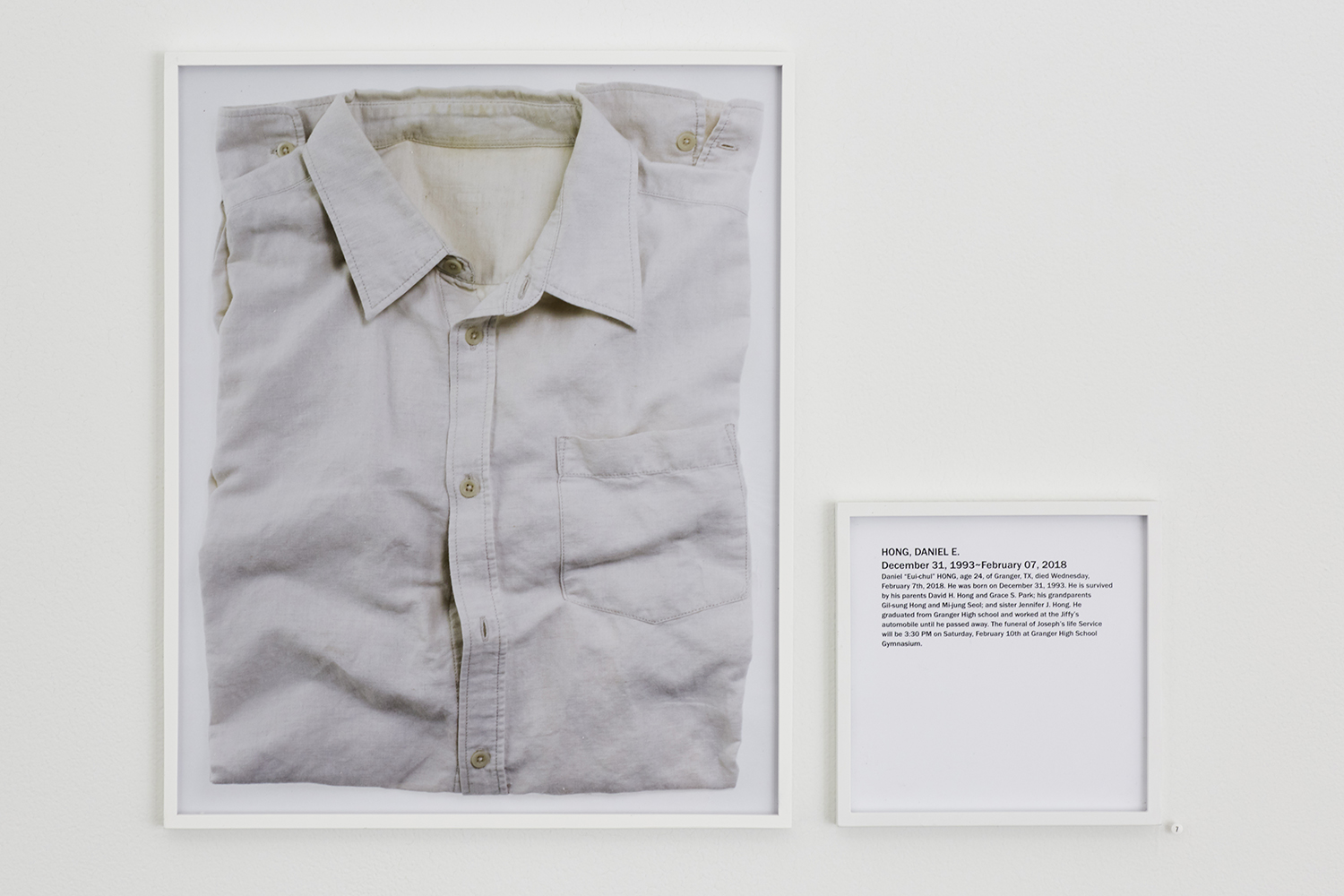
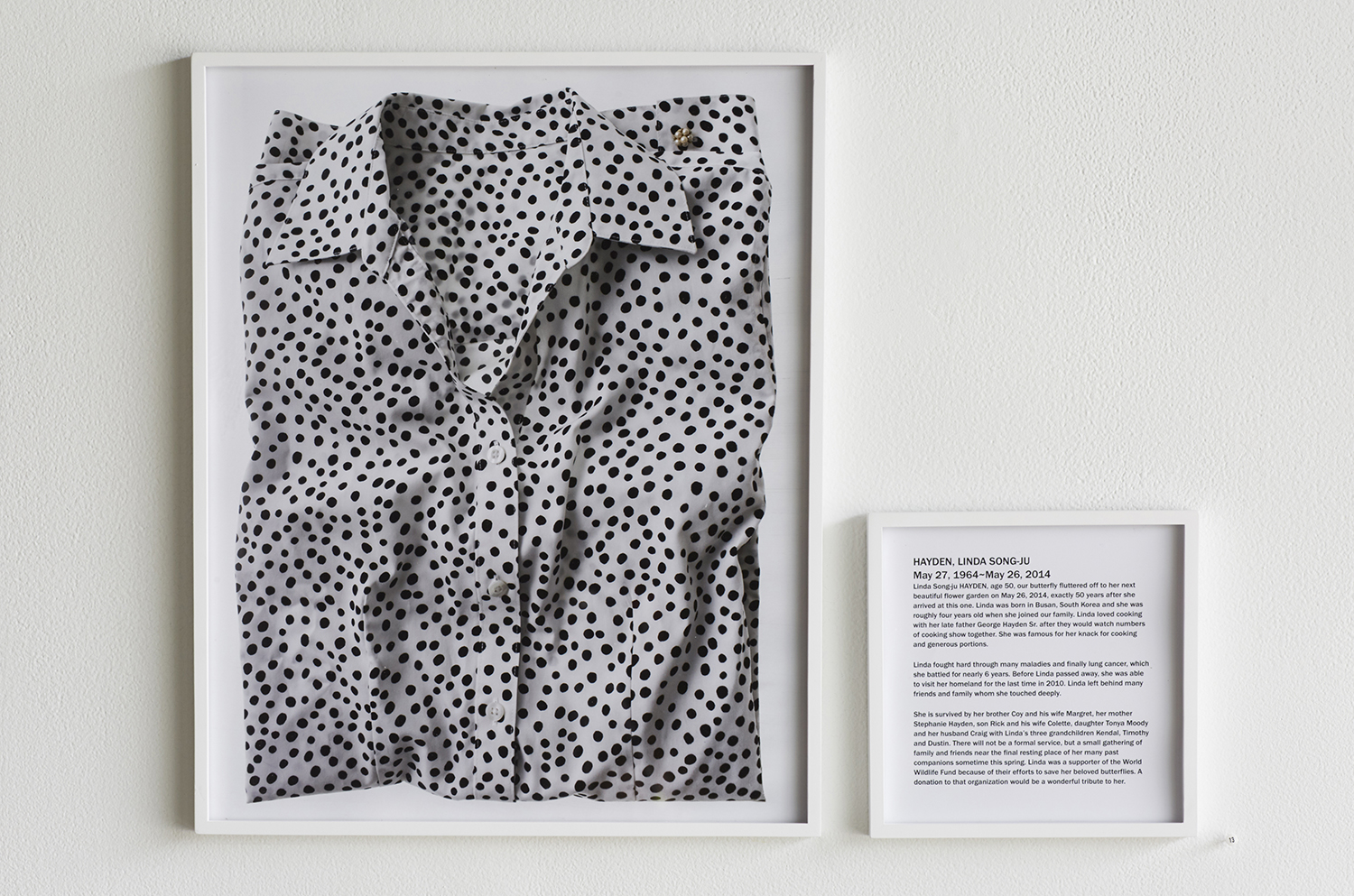
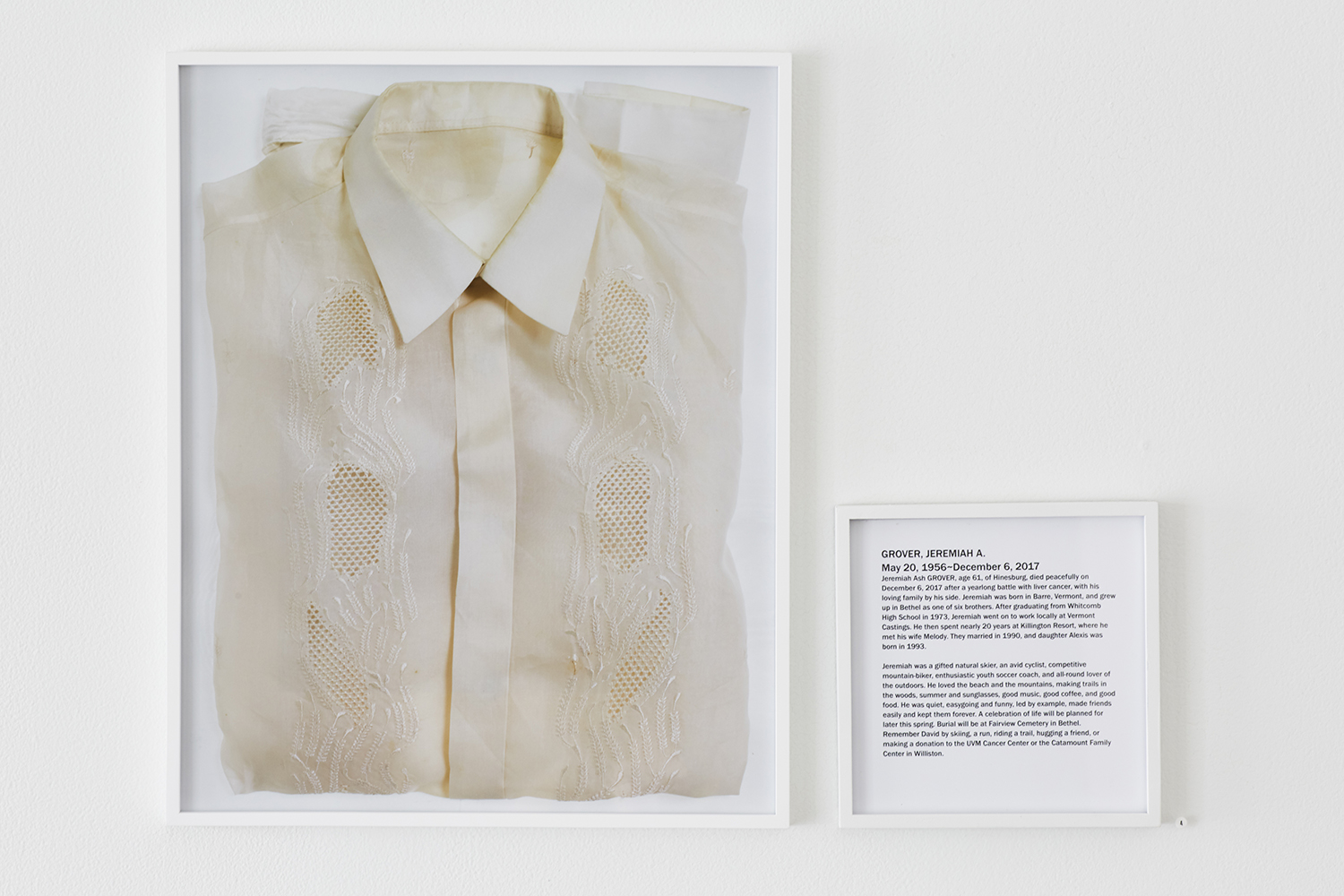
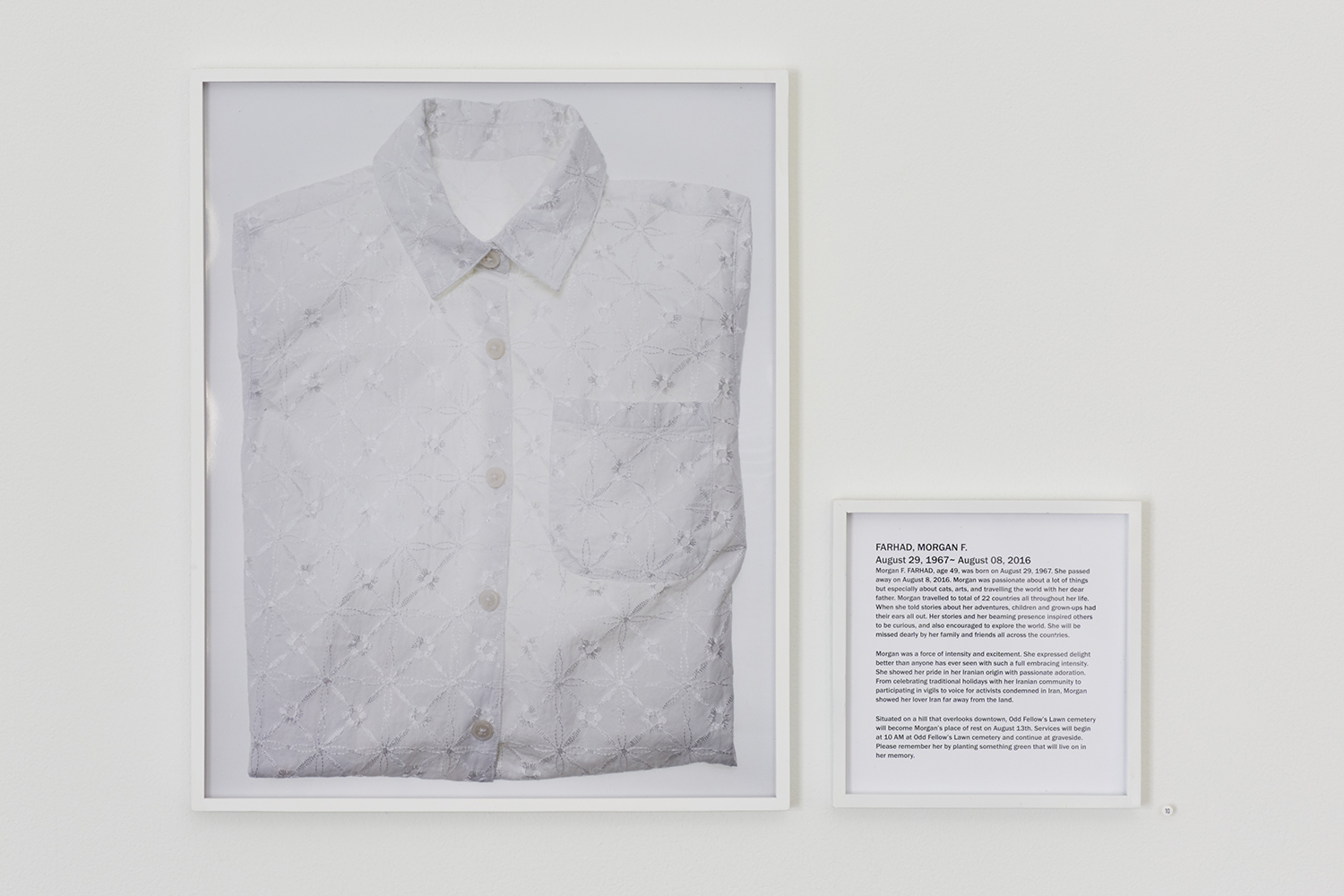
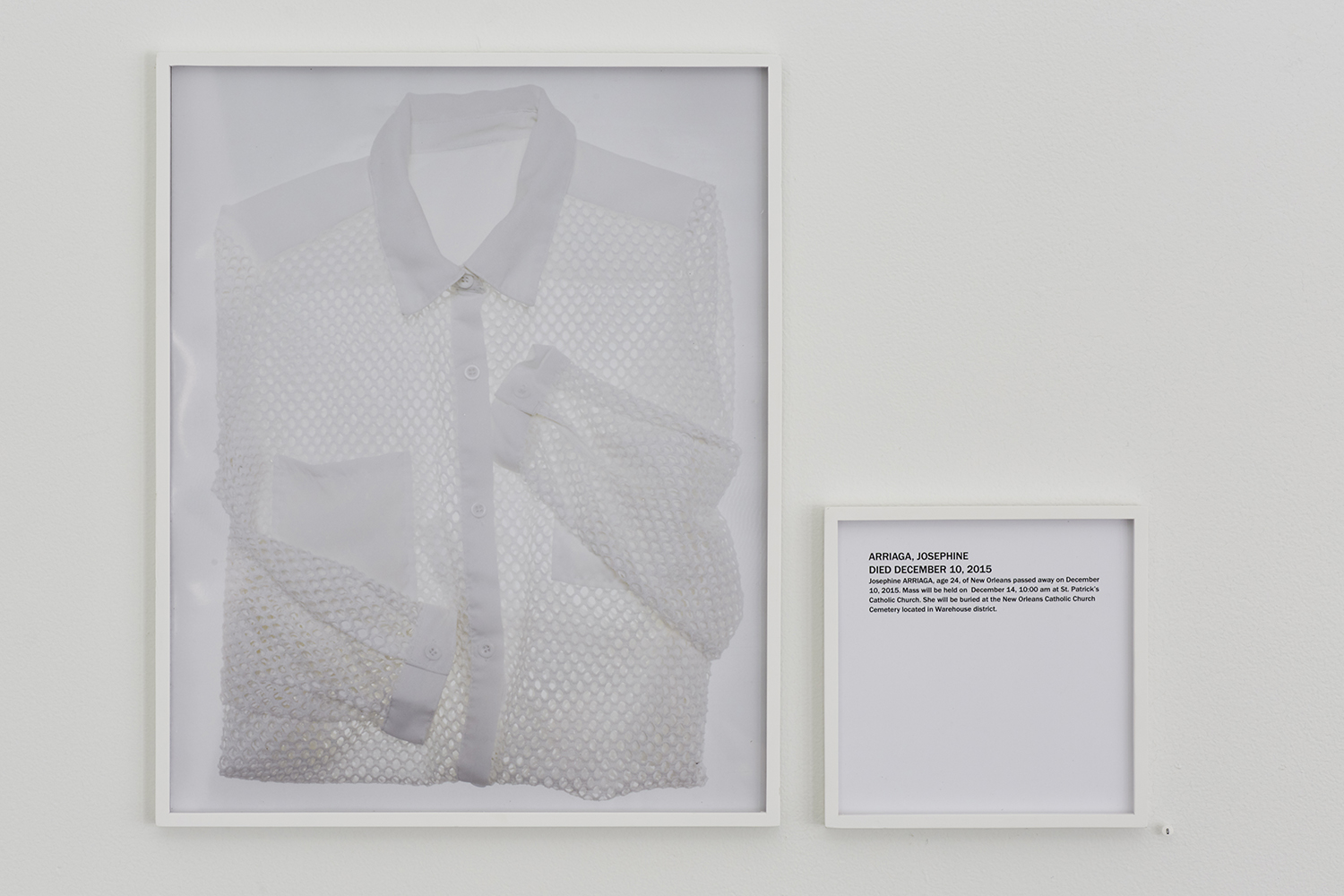
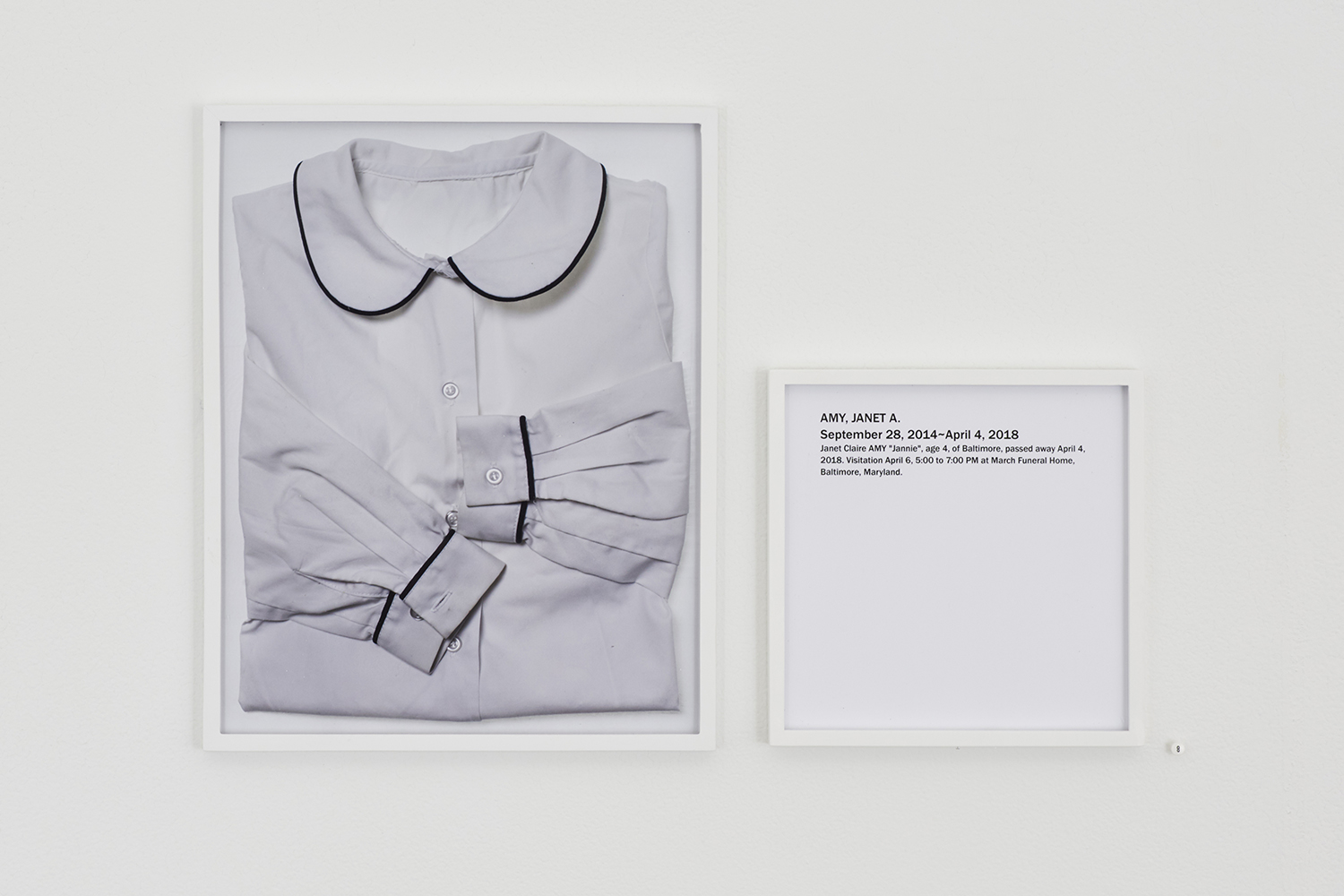
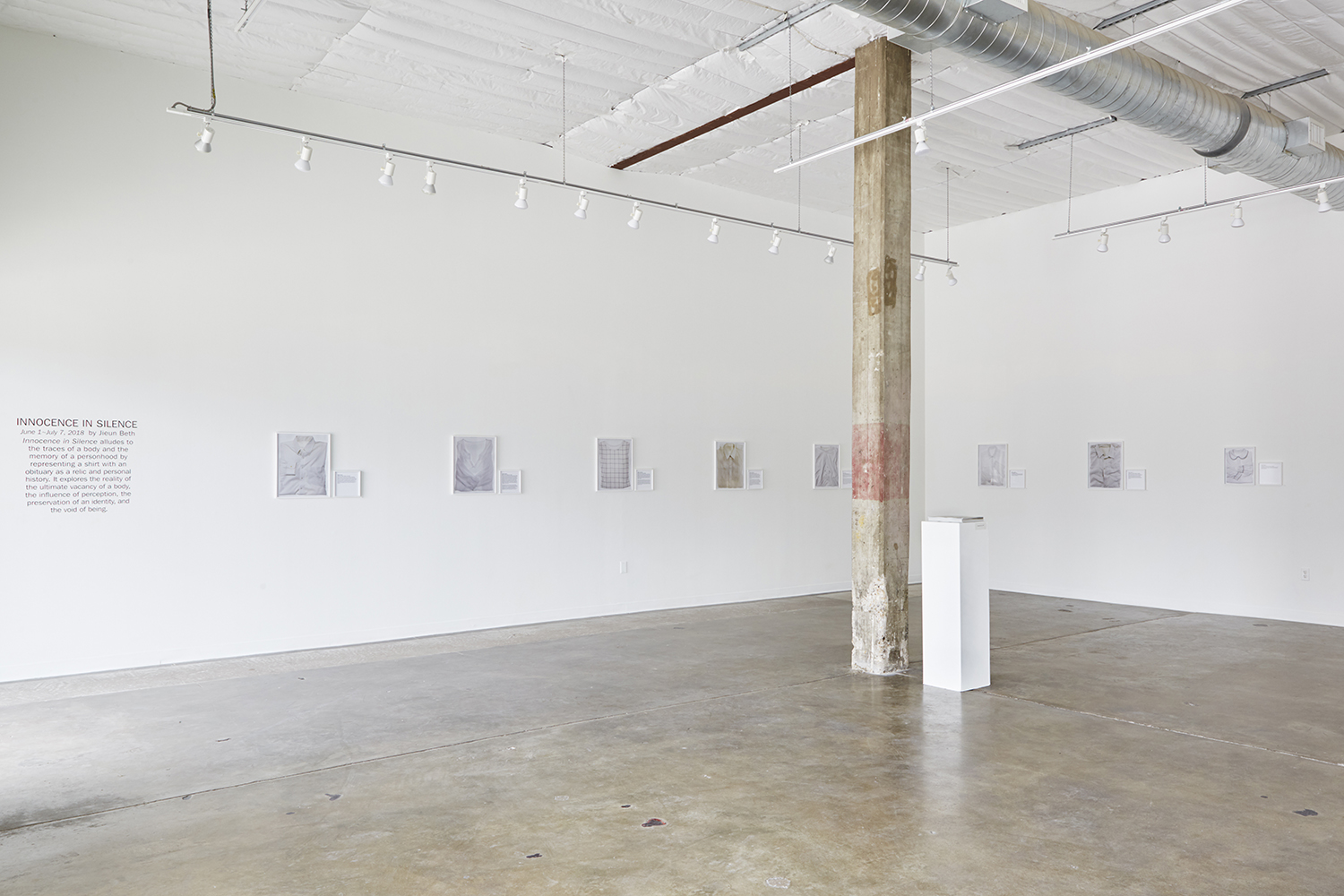
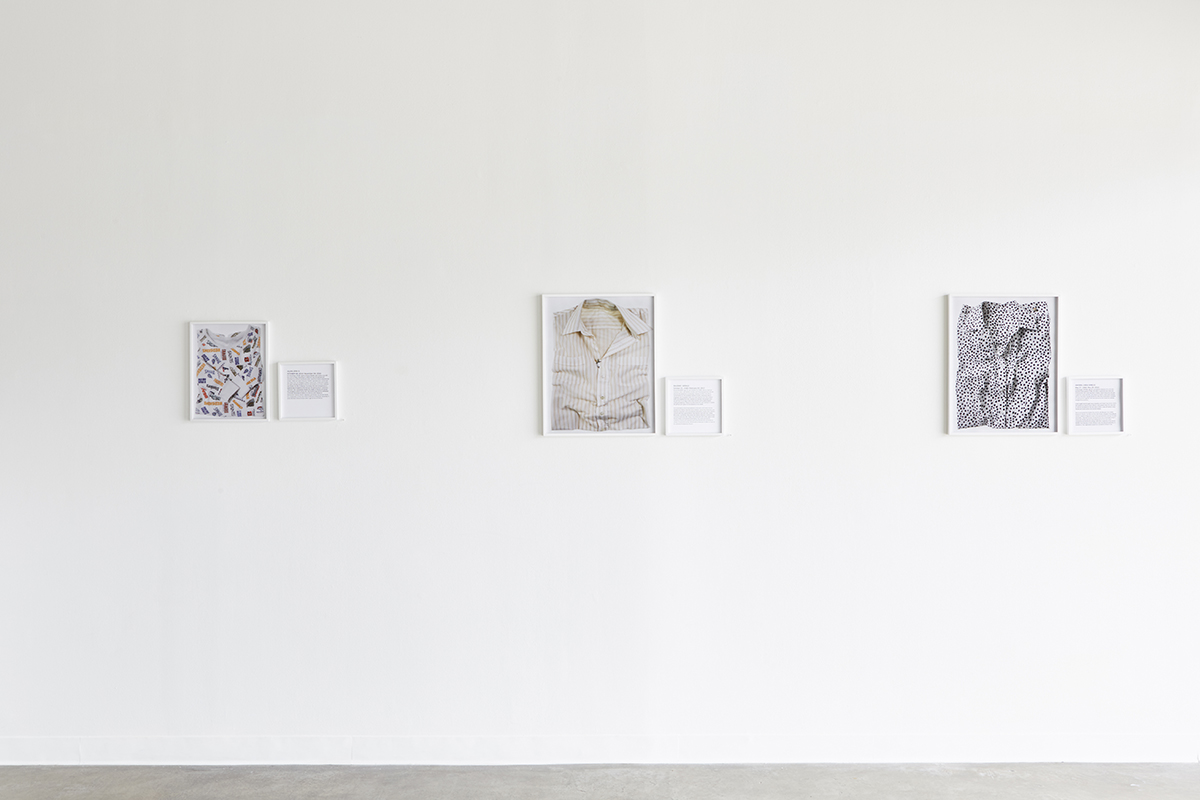
IS (Innocence in Silence) shows images of shirts with obituaries found online. Clothing often stands in for individuality and personality; here, it becomes a quiet stand-in for the body itself: vacant and impermanent, stripped of markers like age, race, gender, or sexuality. The complementary obituaries show how identity gets built through remembrance and storytelling, and offer a way to set down the weight we put on bodily identity and outside opinion, toward something closer to a sense of self.
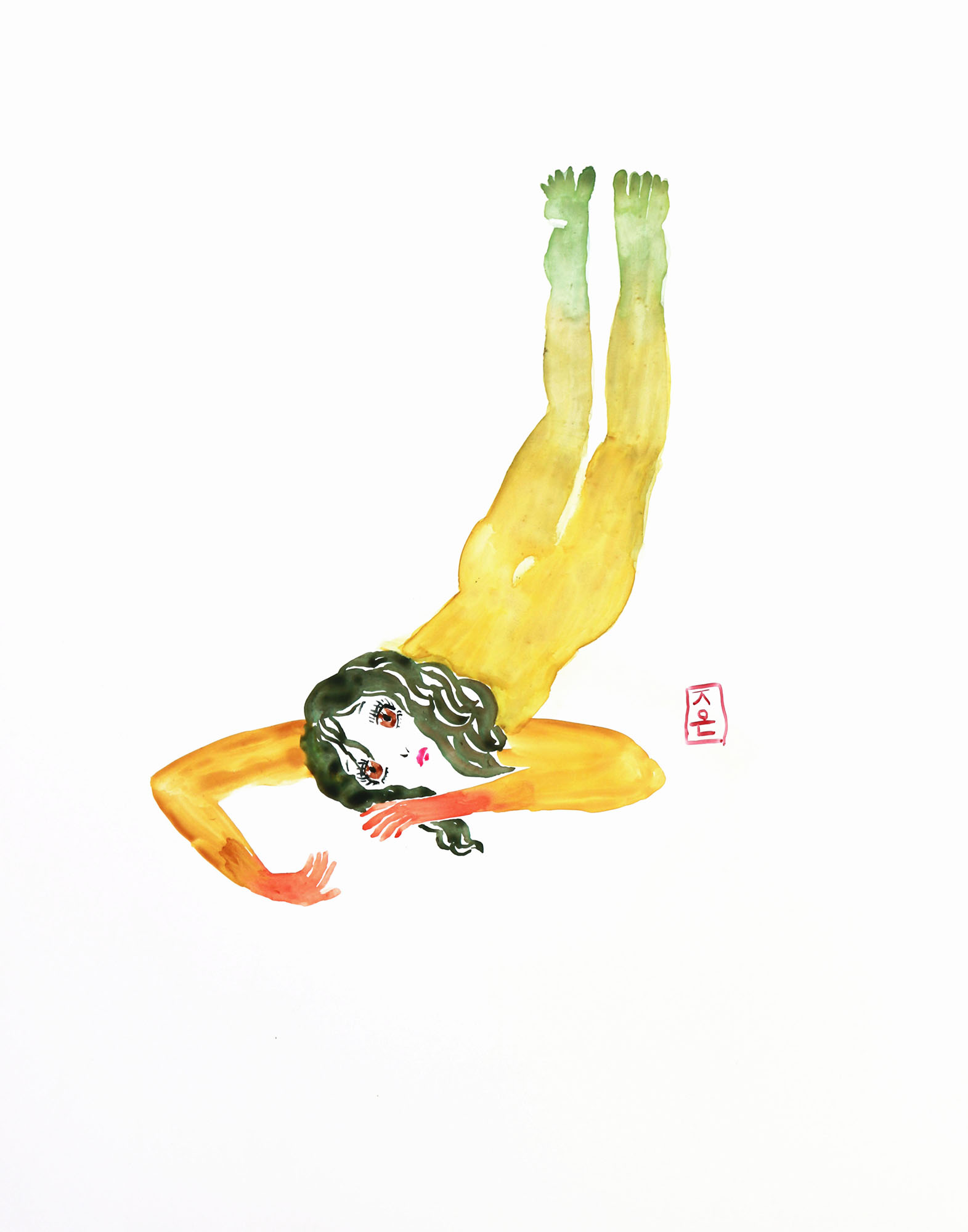
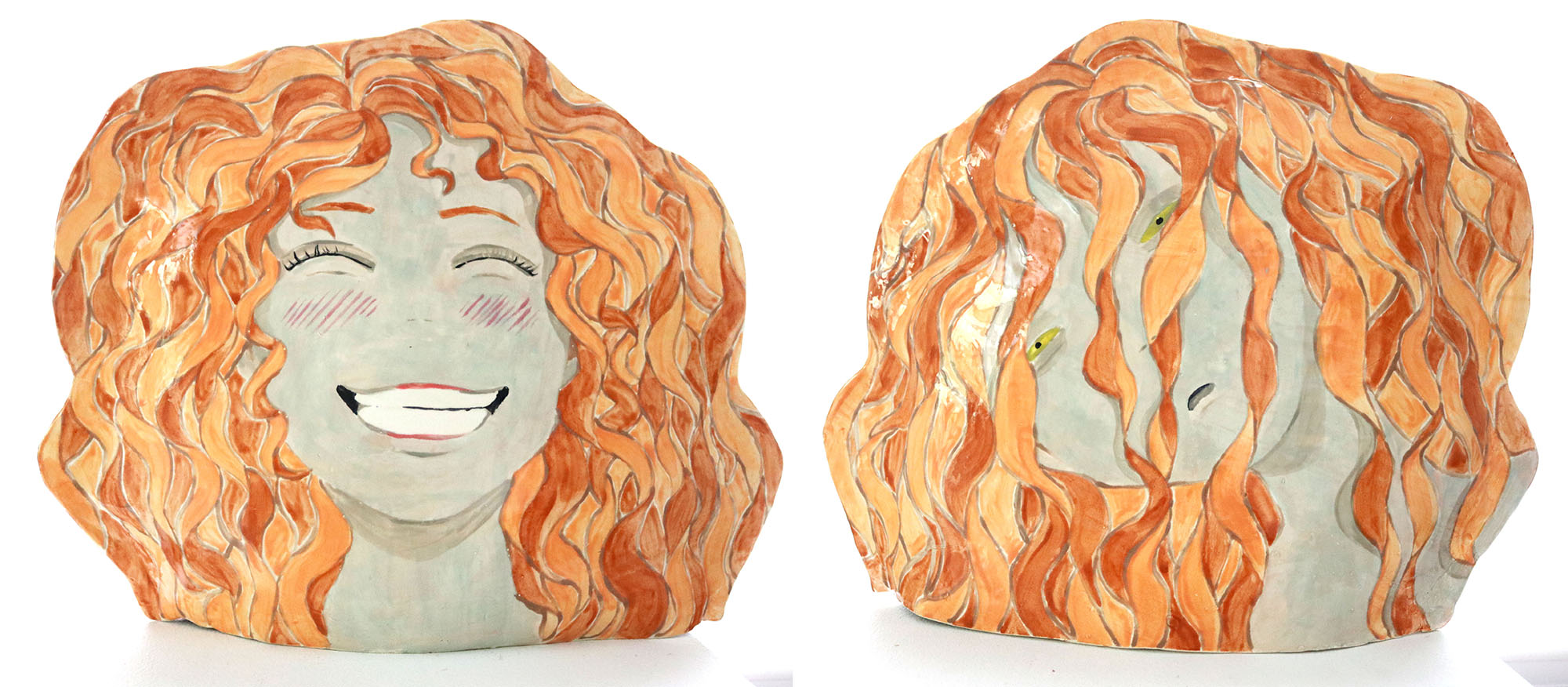
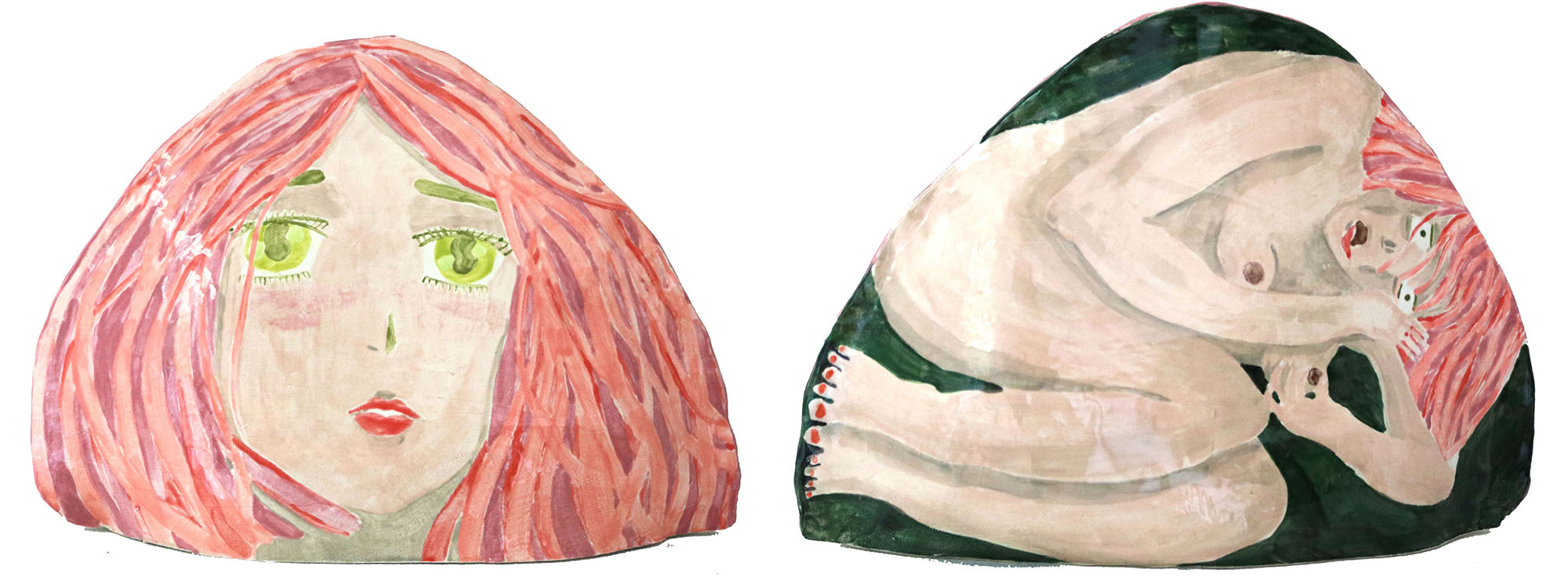
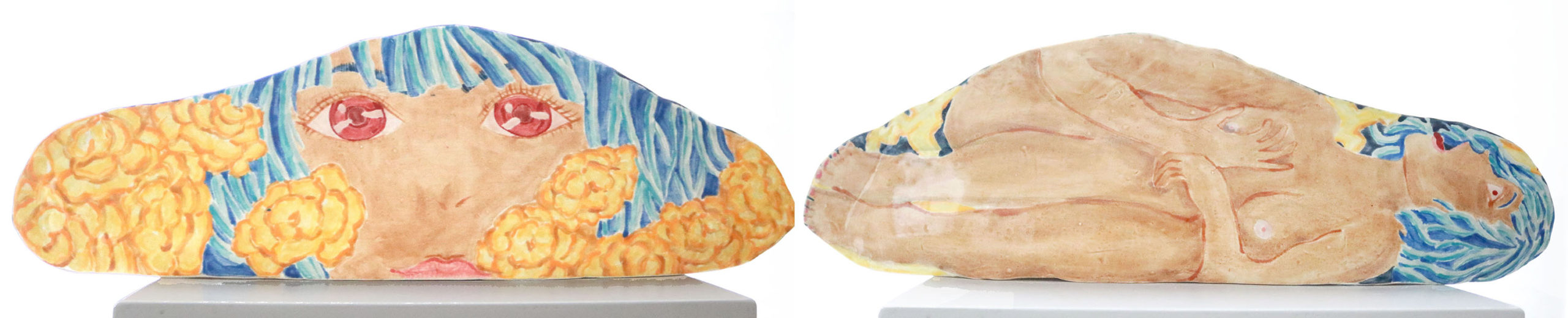
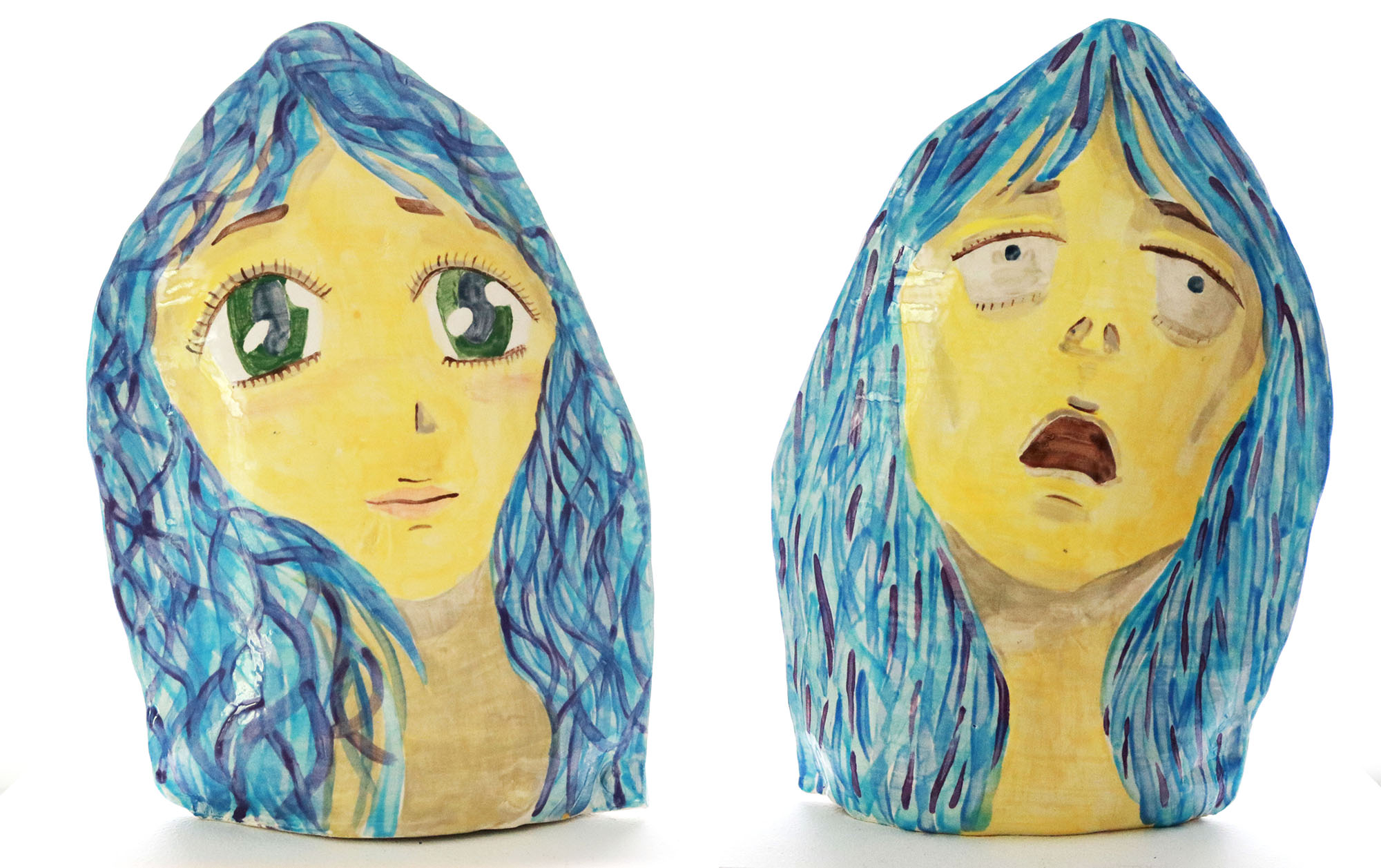
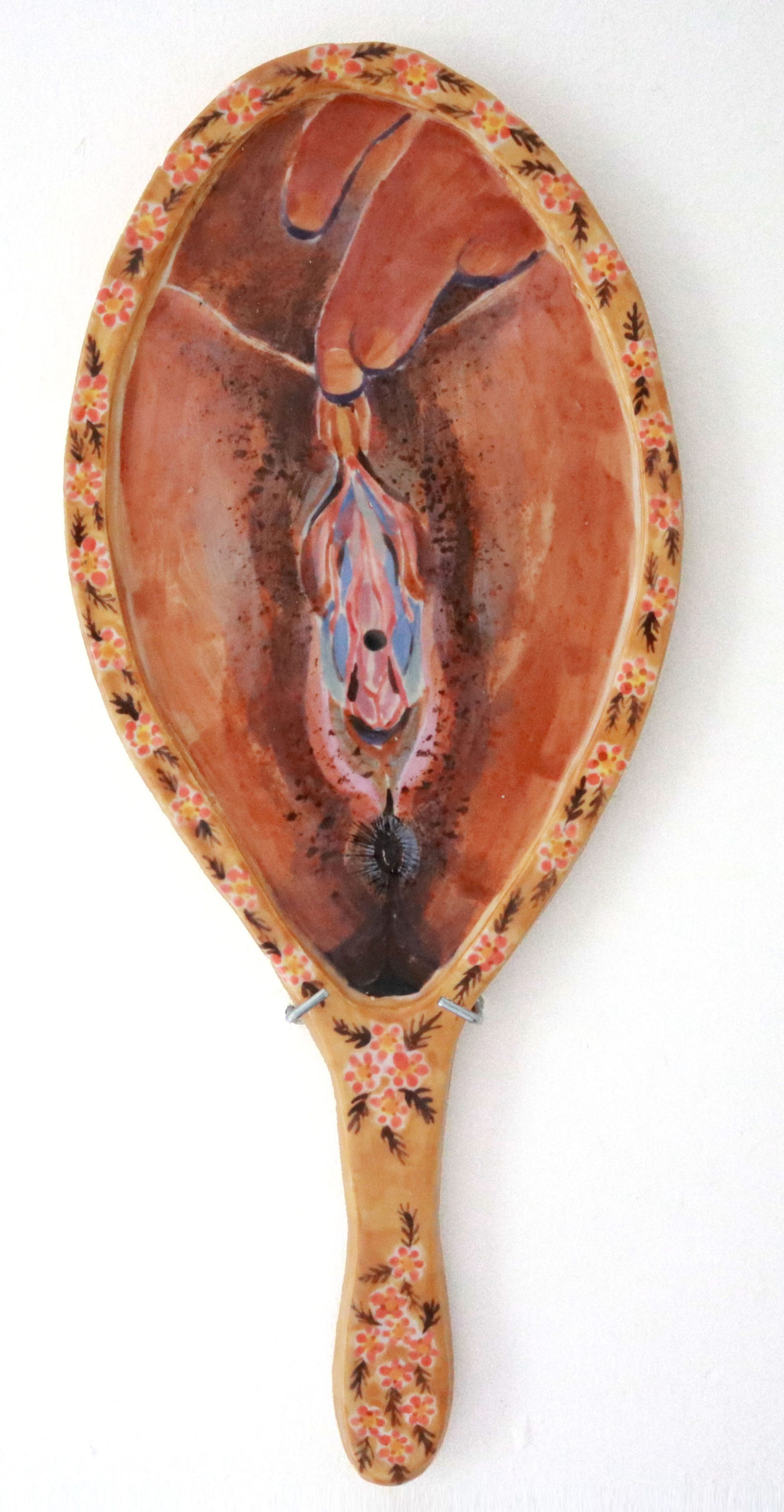
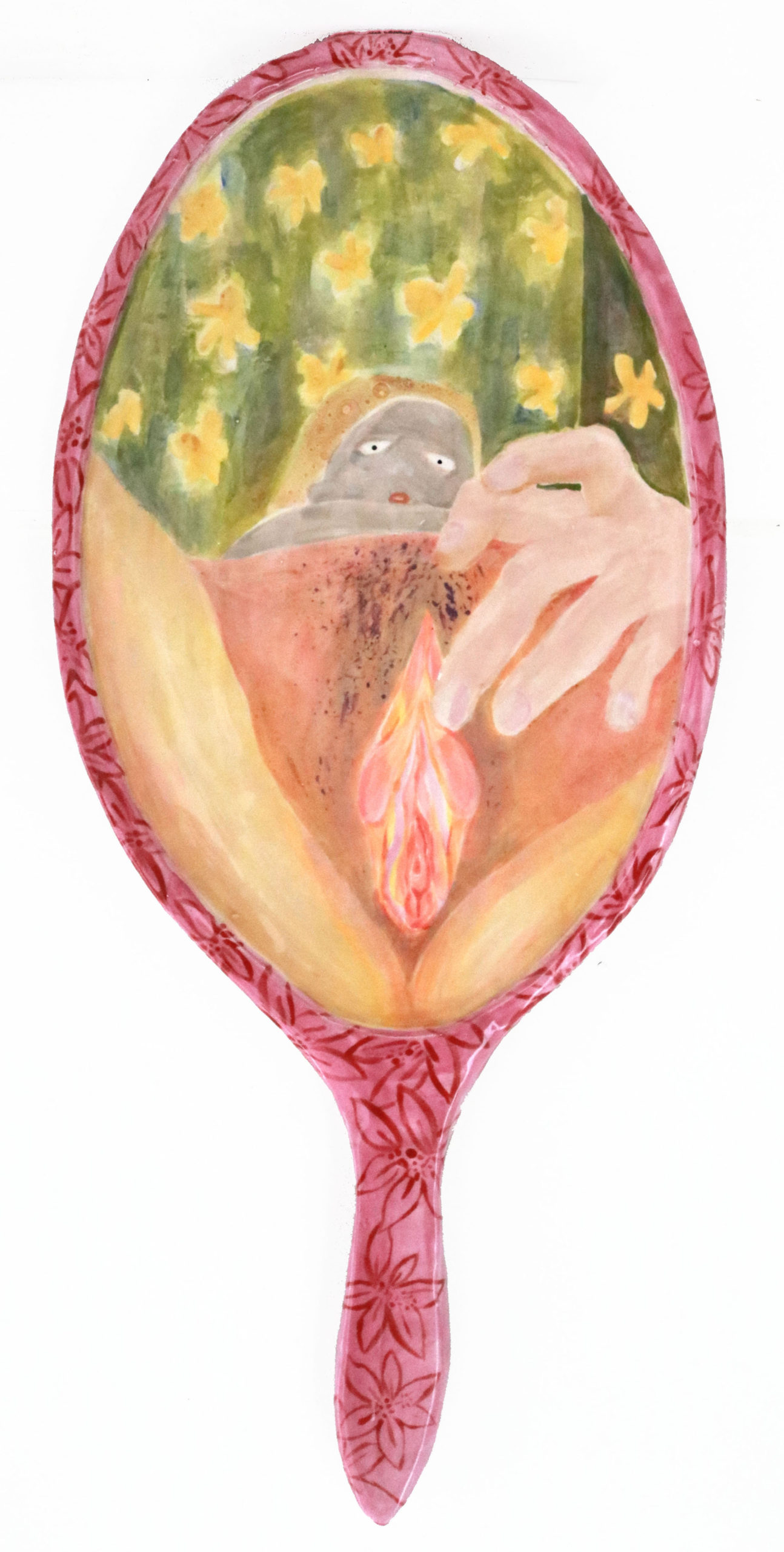
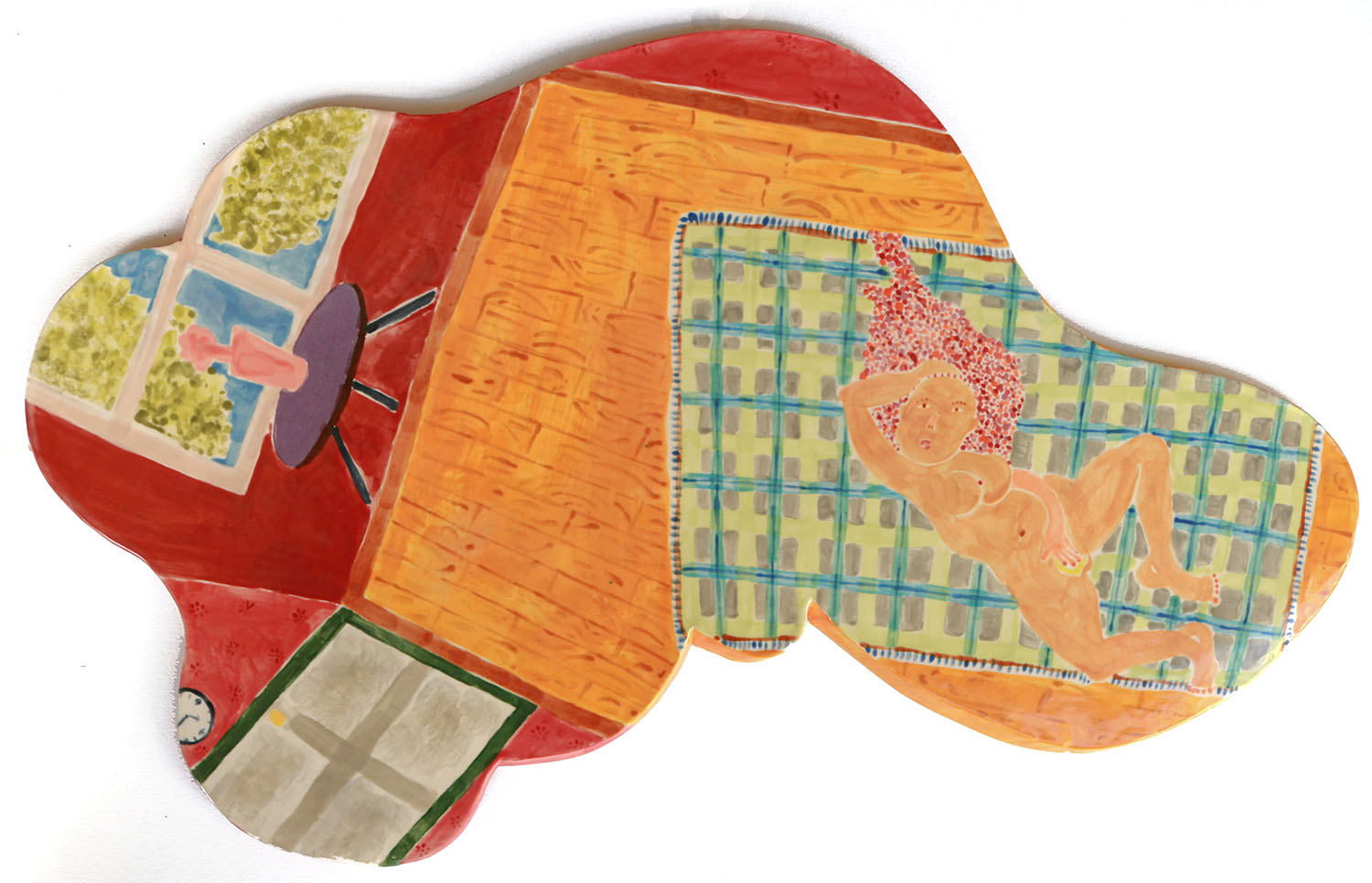
Naughty Girls is a collection of watercolor paintings, sculptures, and decorated ceramic tiles, built around bold, manga-inspired female figures: primal, playful, unapologetically free. These characters push back against the stereotypes placed on Asian women by reimagining them as raw, mischievous, empowered. Bringing sexuality and death, two experiences that get silenced or stigmatized across Asian and Western cultures alike, lets the artist test how far she could go toward saying the unspeakable, and question who gets to decide what’s acceptable to show, say, or feel.
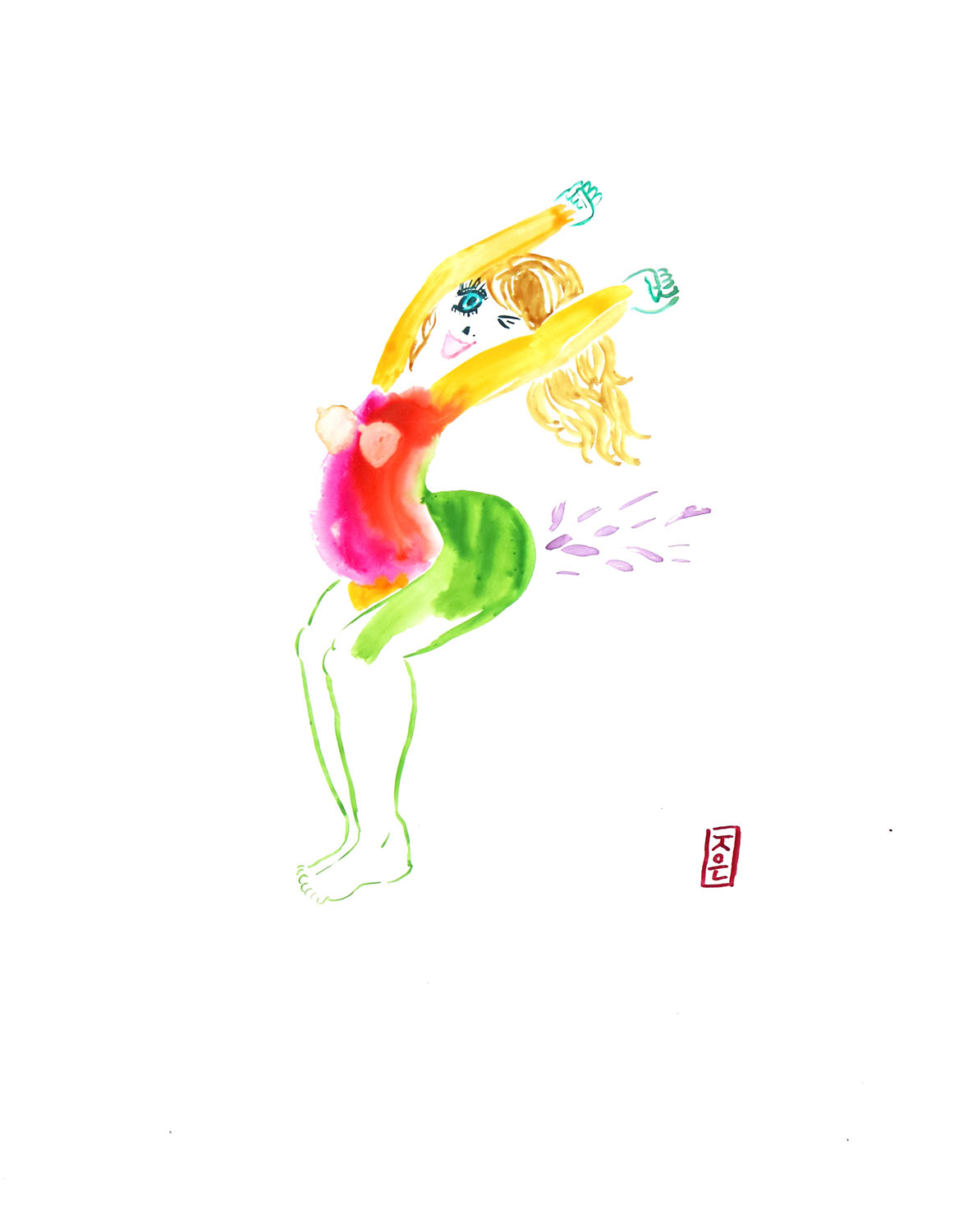
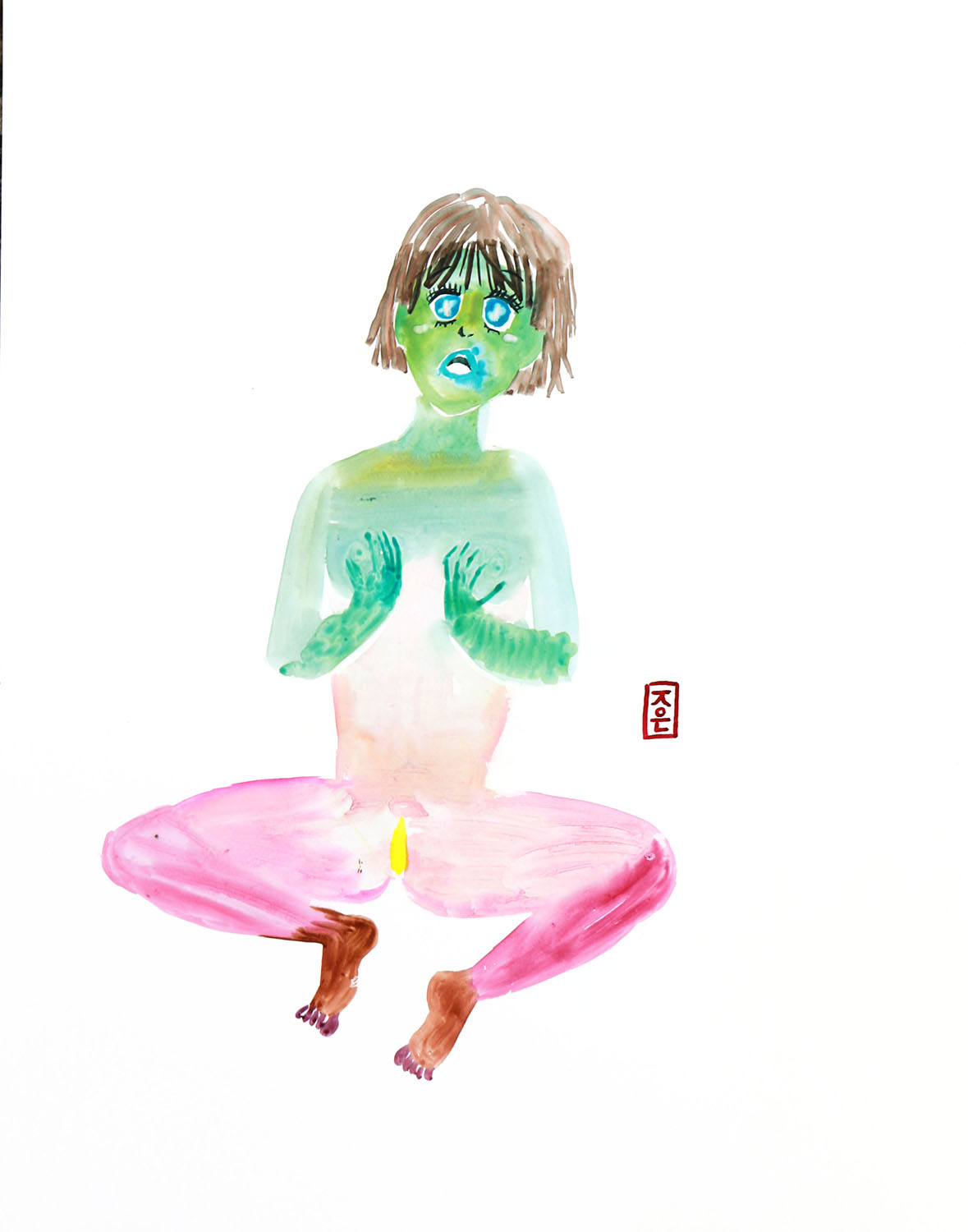
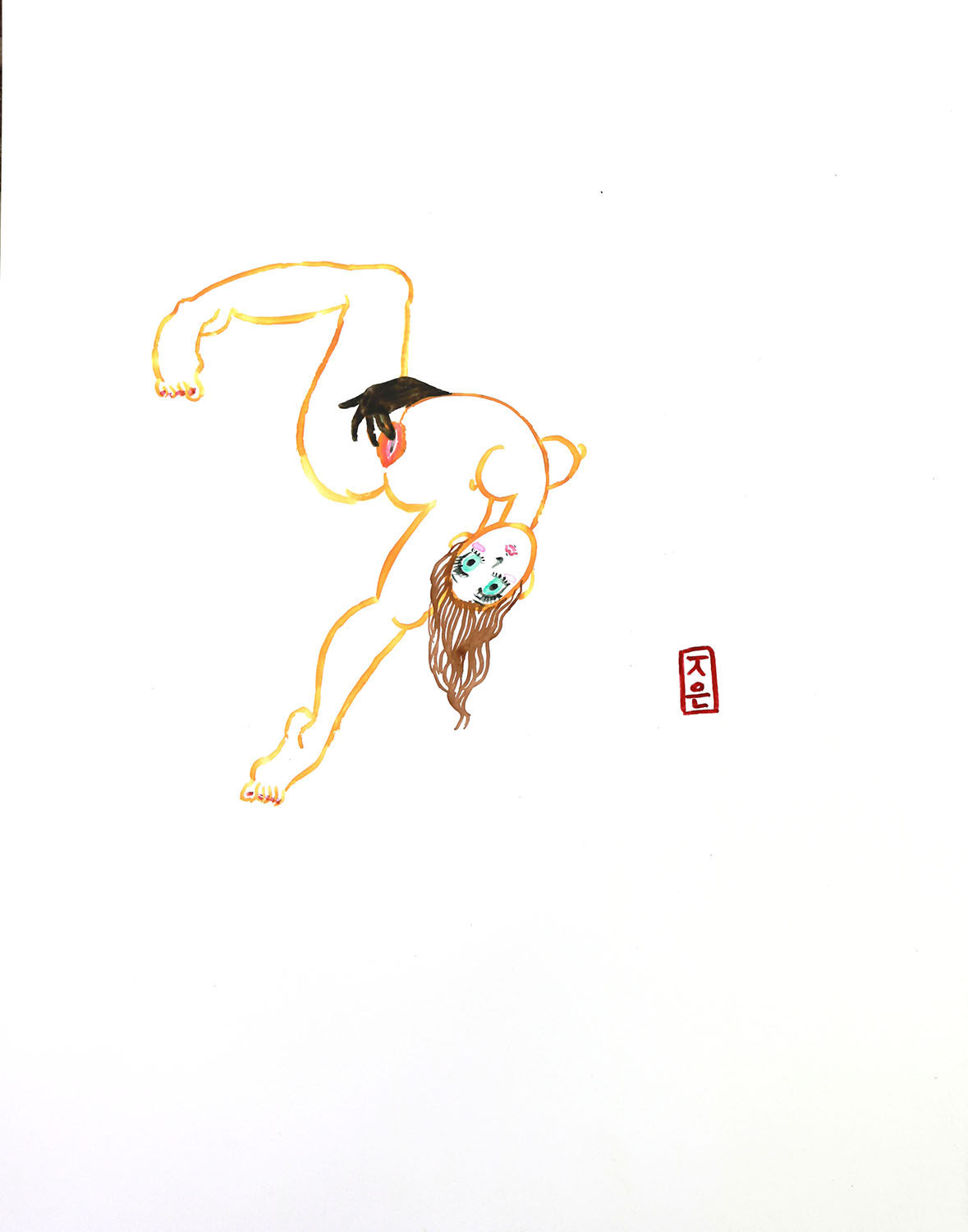
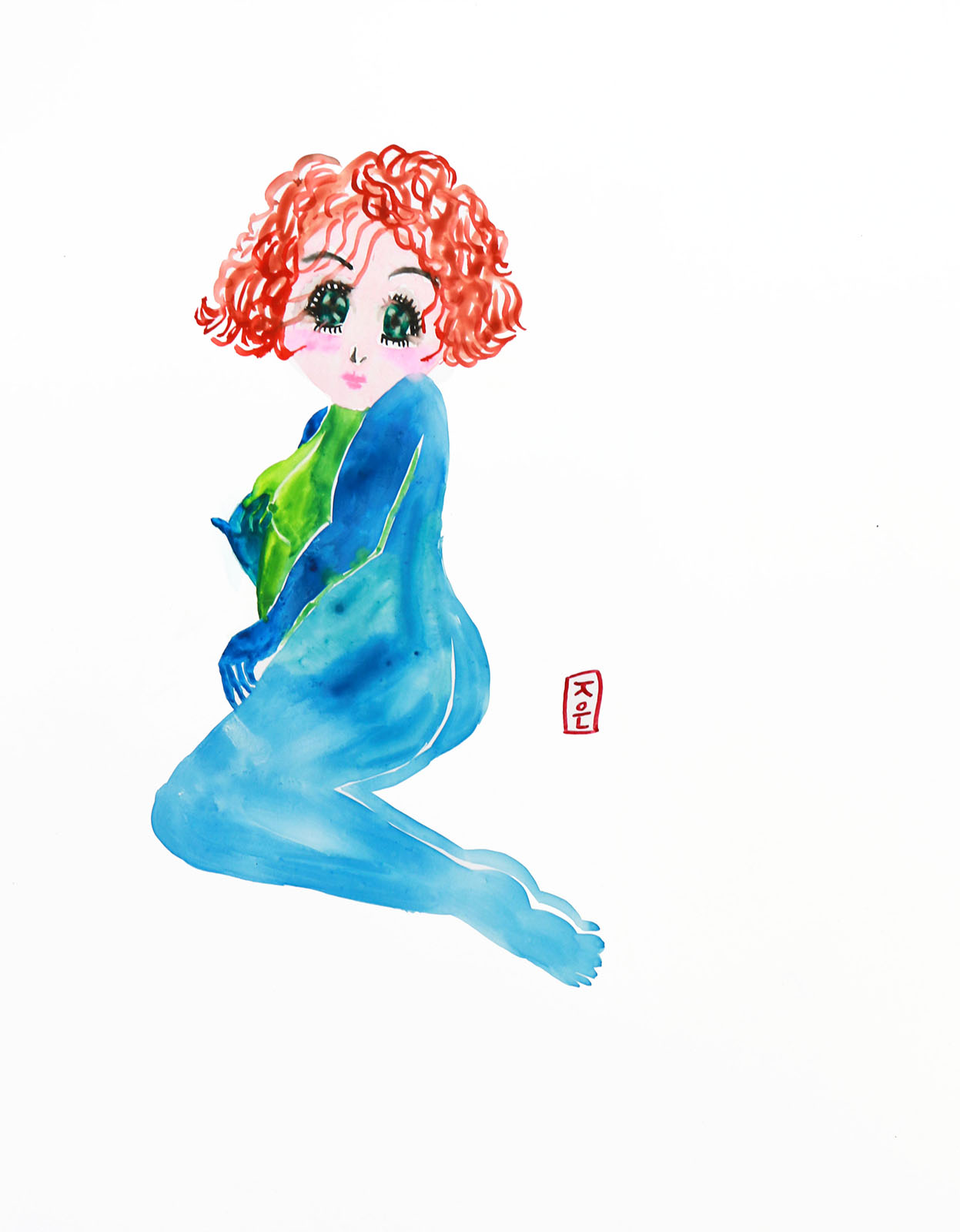
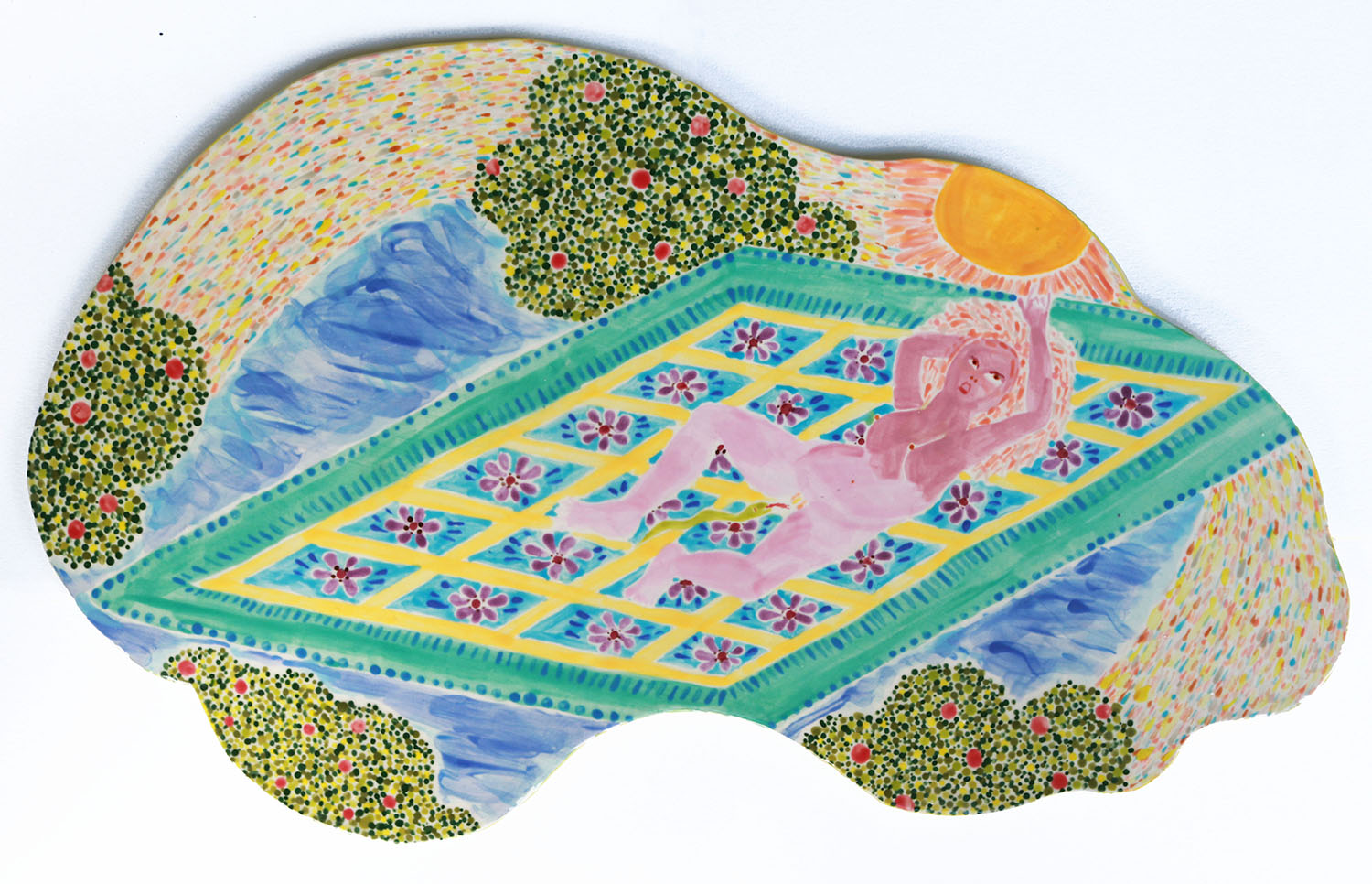
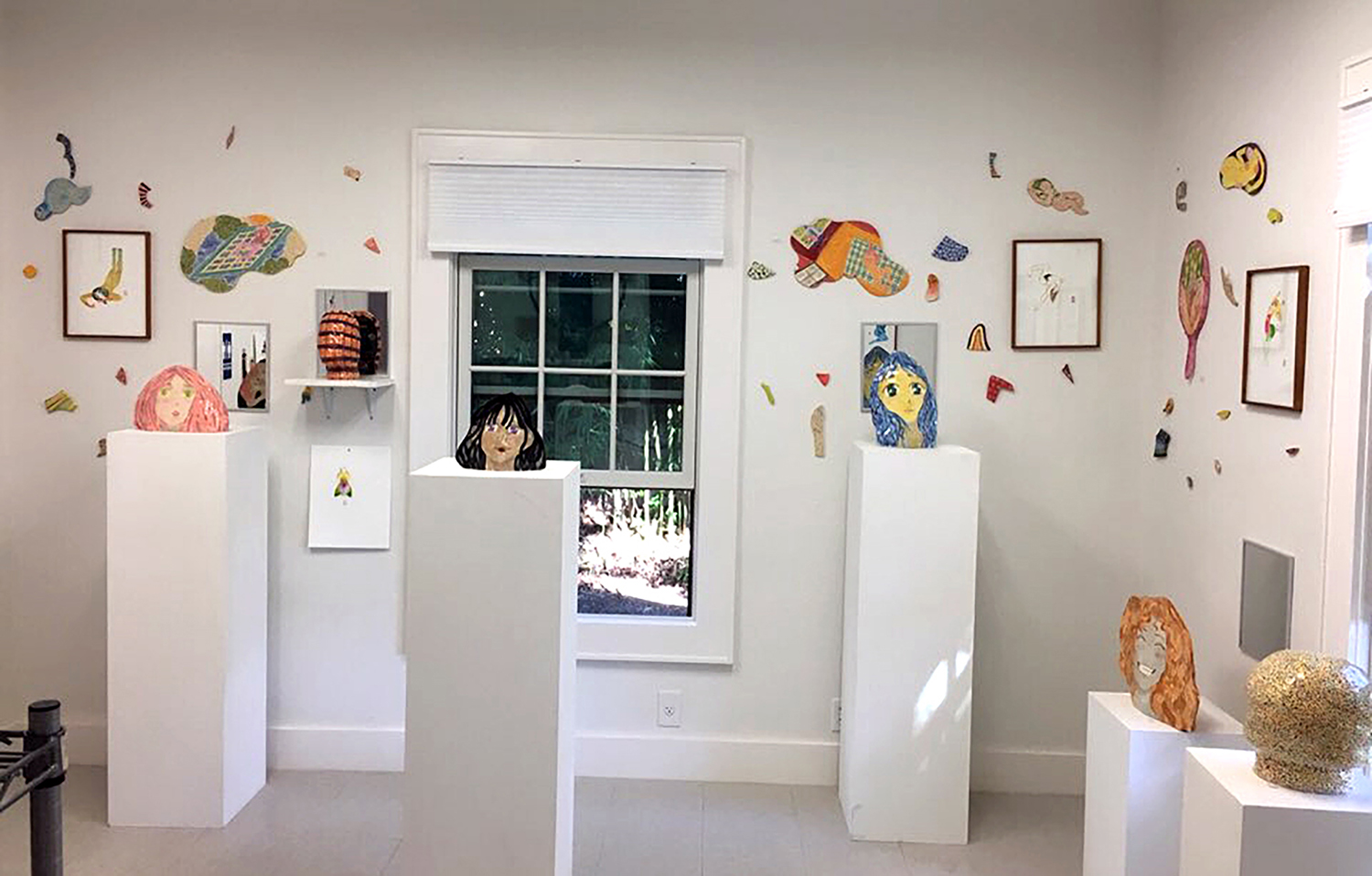
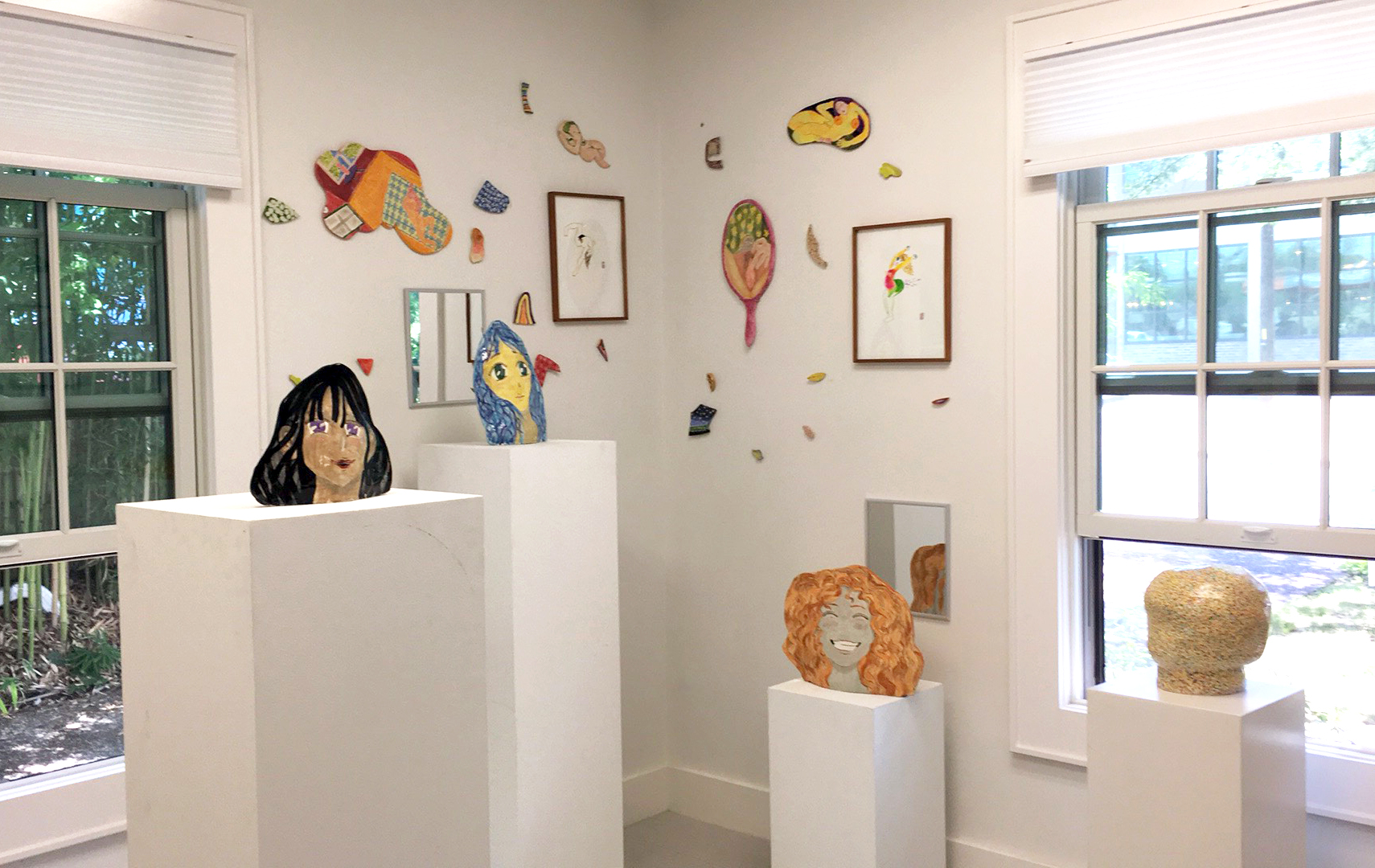
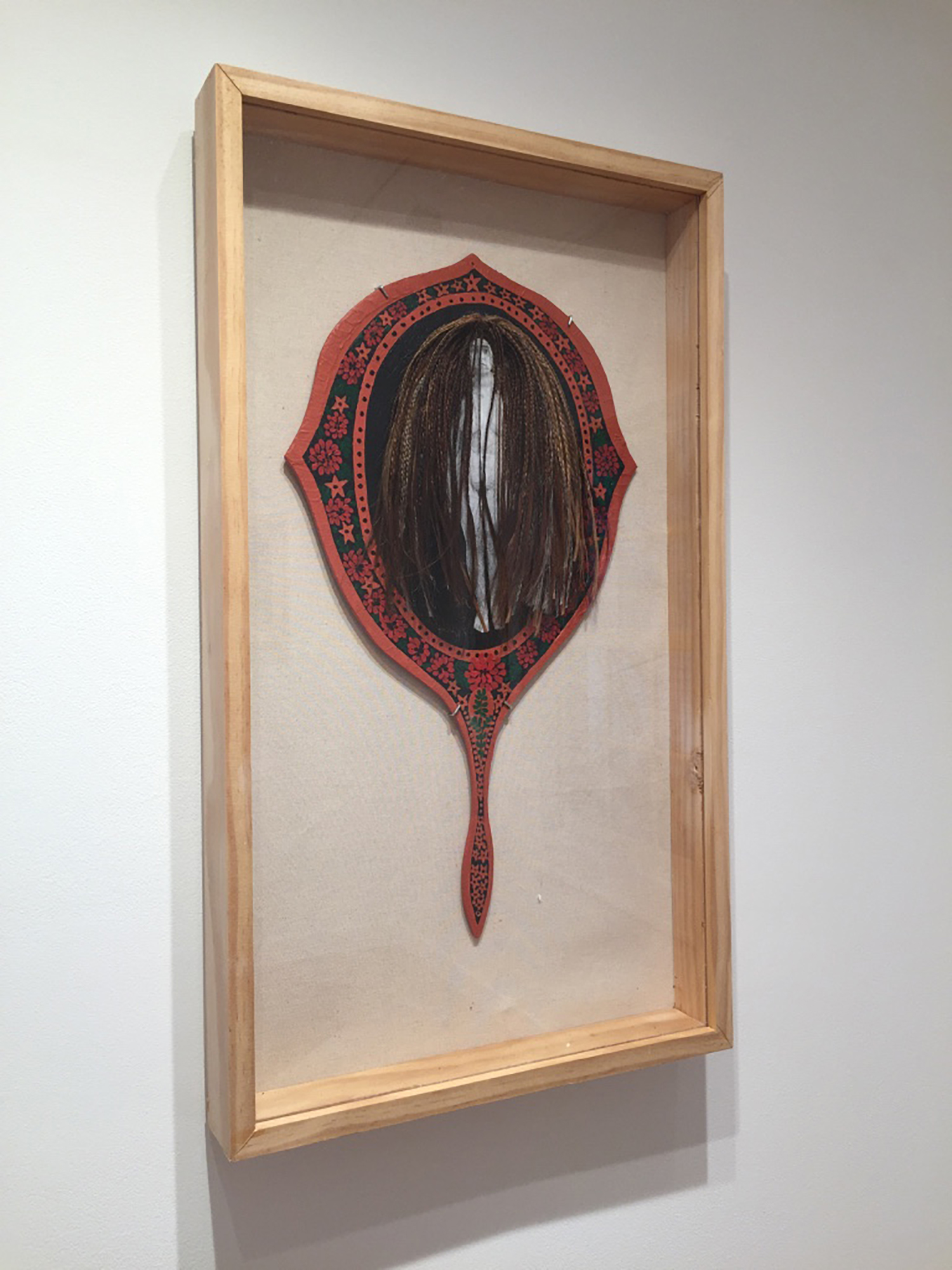
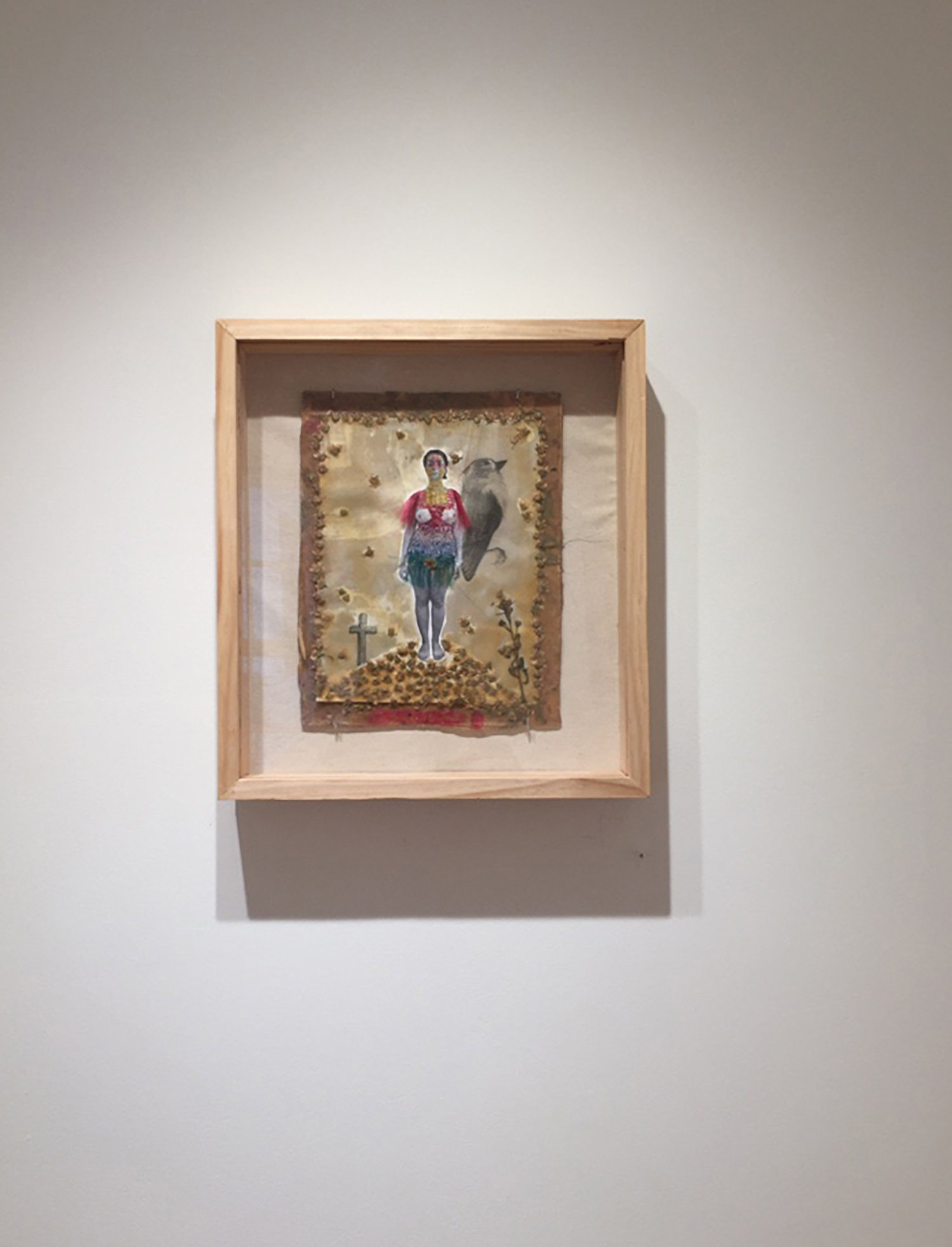
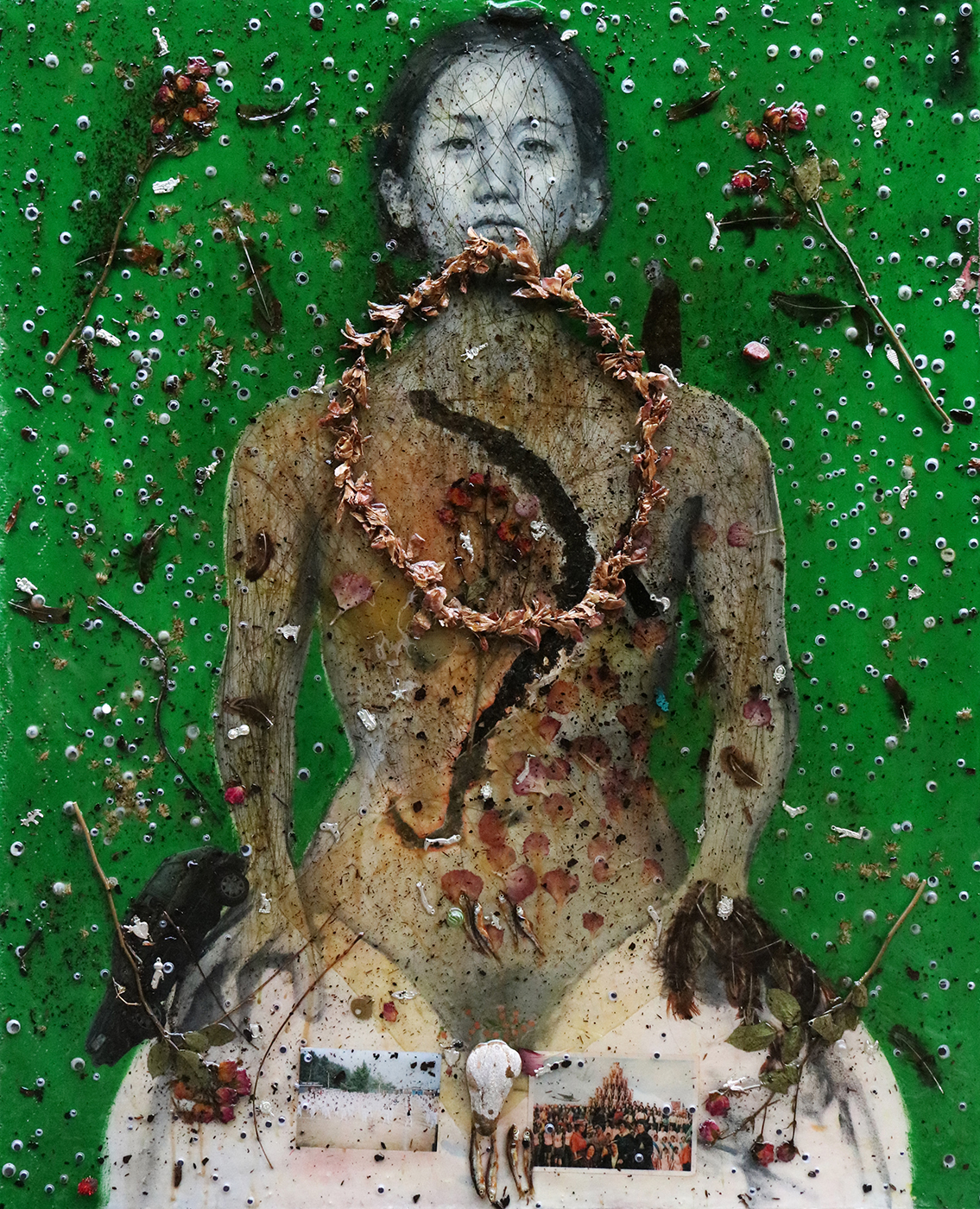
Sara is named after a friend of Jieun Beth’s, in honor of her courage, grace, and ingenuity. She uses thin and disposable Xerox prints of a nude woman, then intervenes, reproduces, and reinterprets that same image over and over, aiming to represent the resilience, strength, and feminine magic found in mythology and characterizing this archetype.
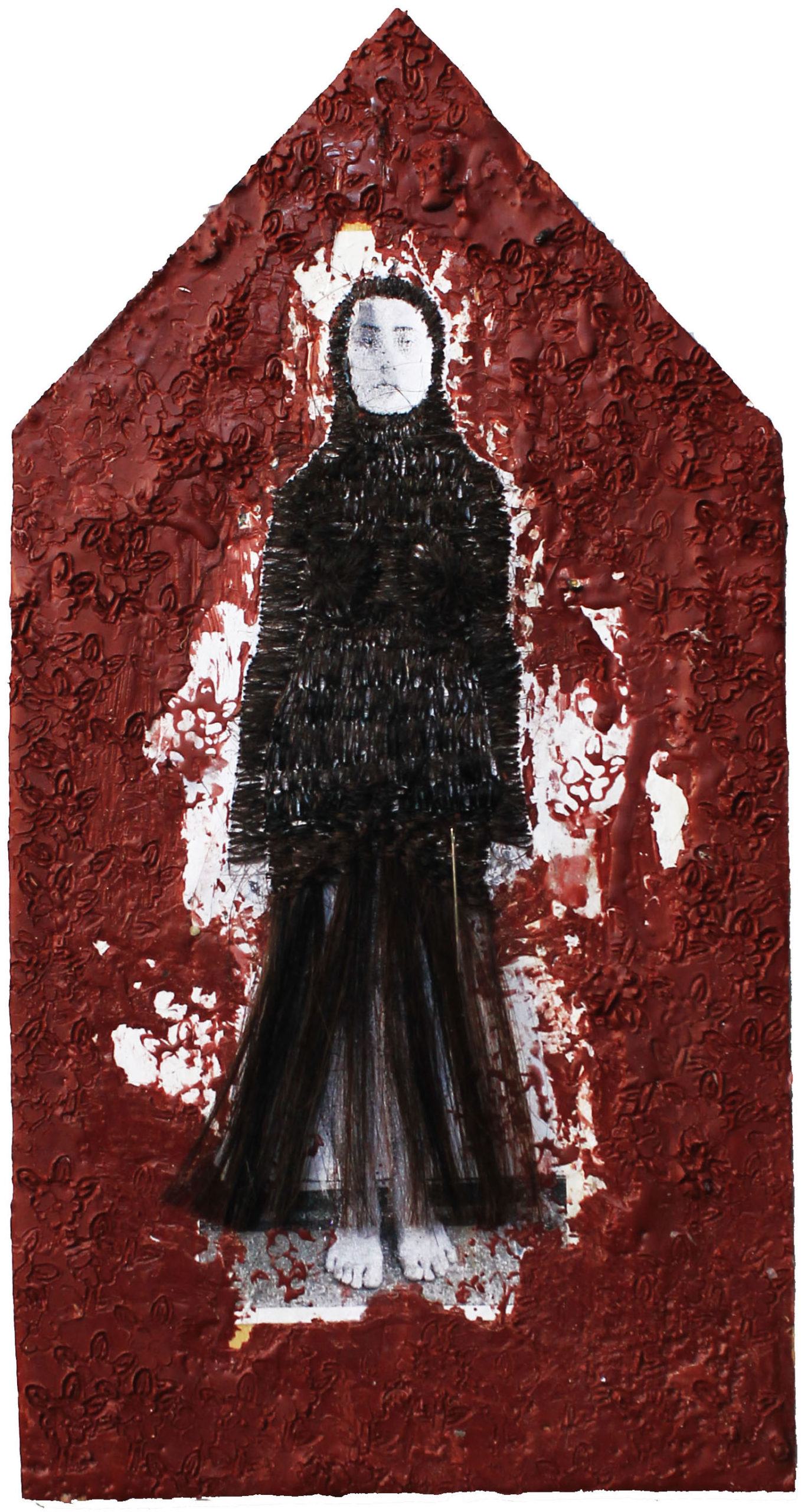
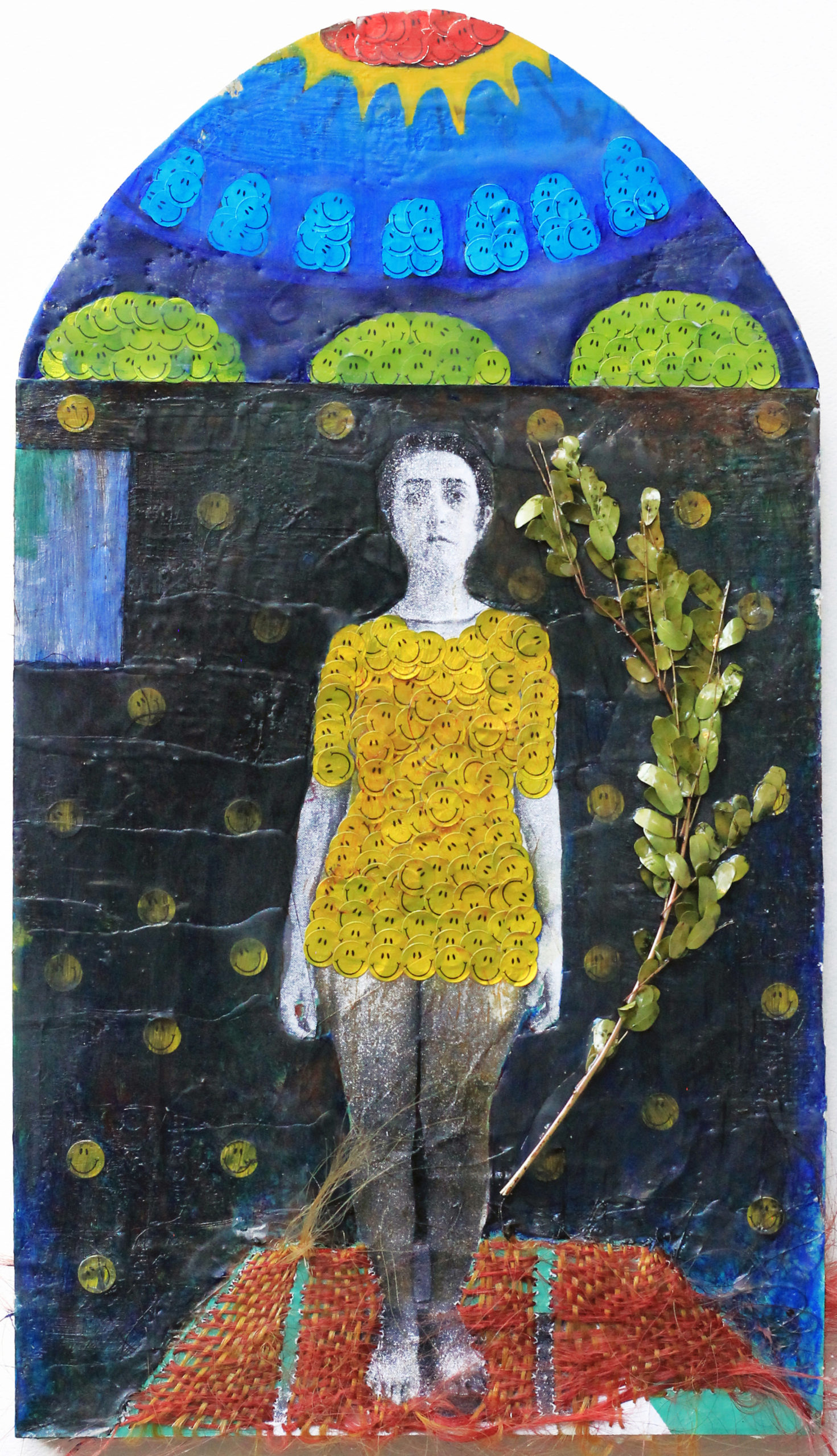
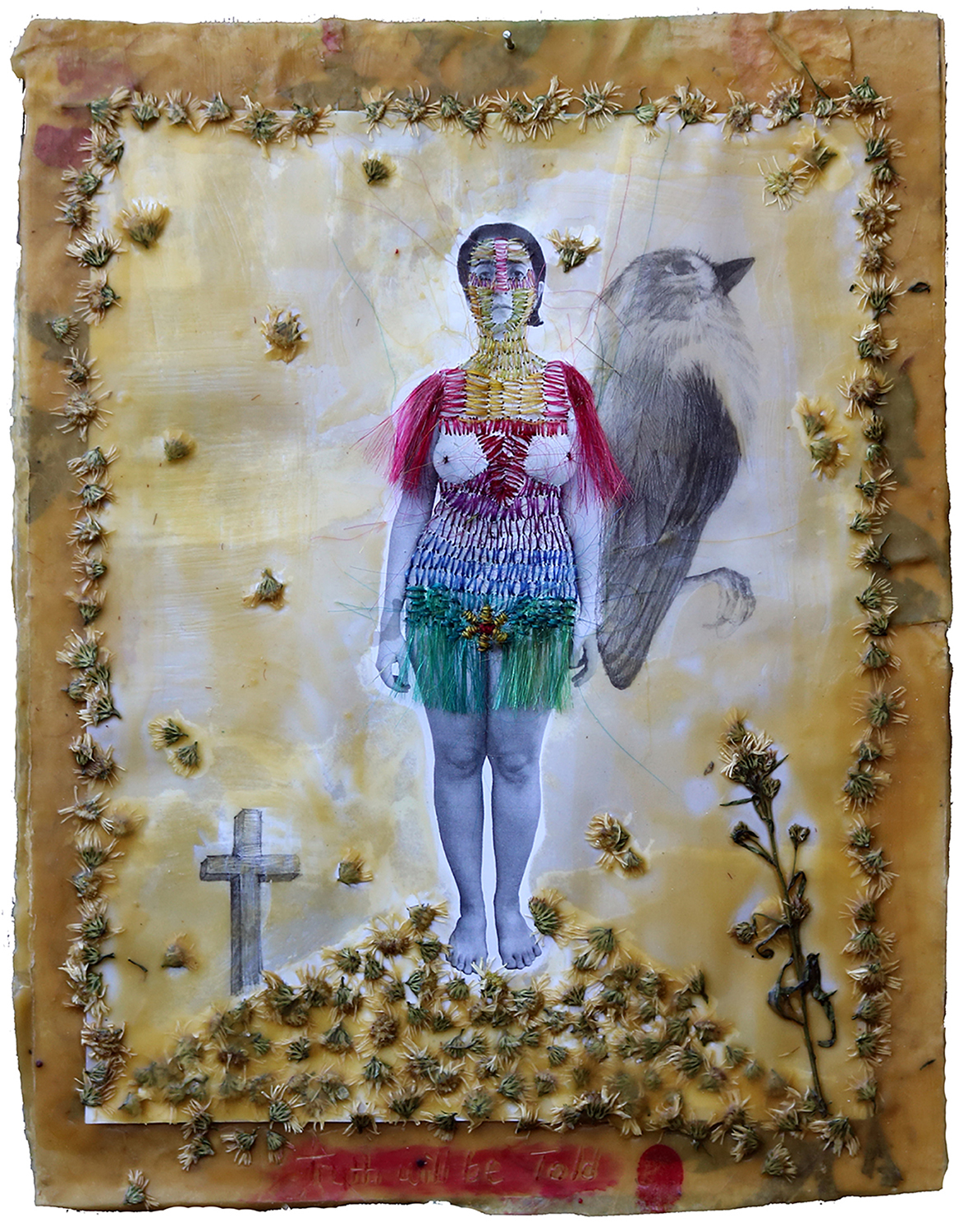
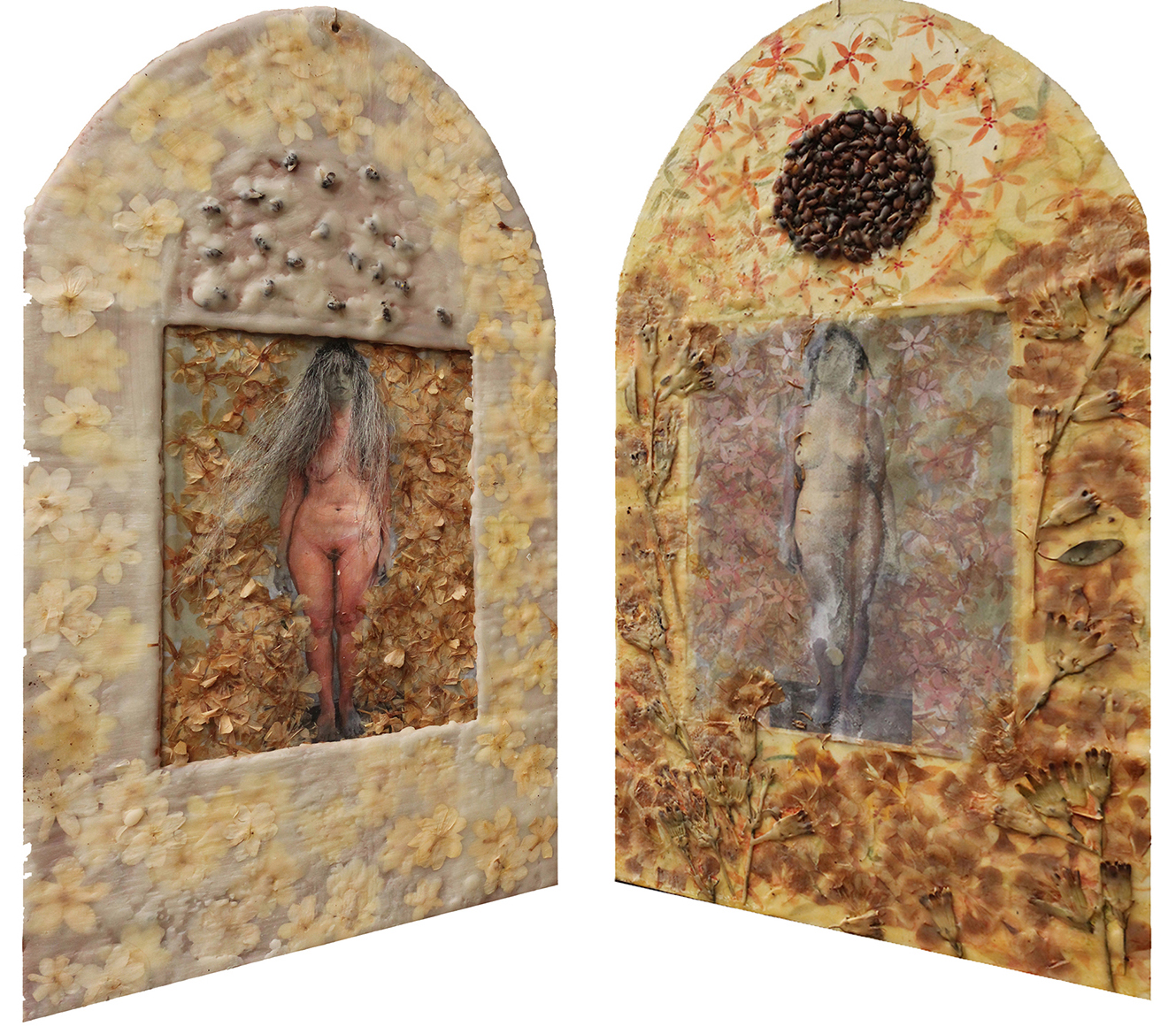
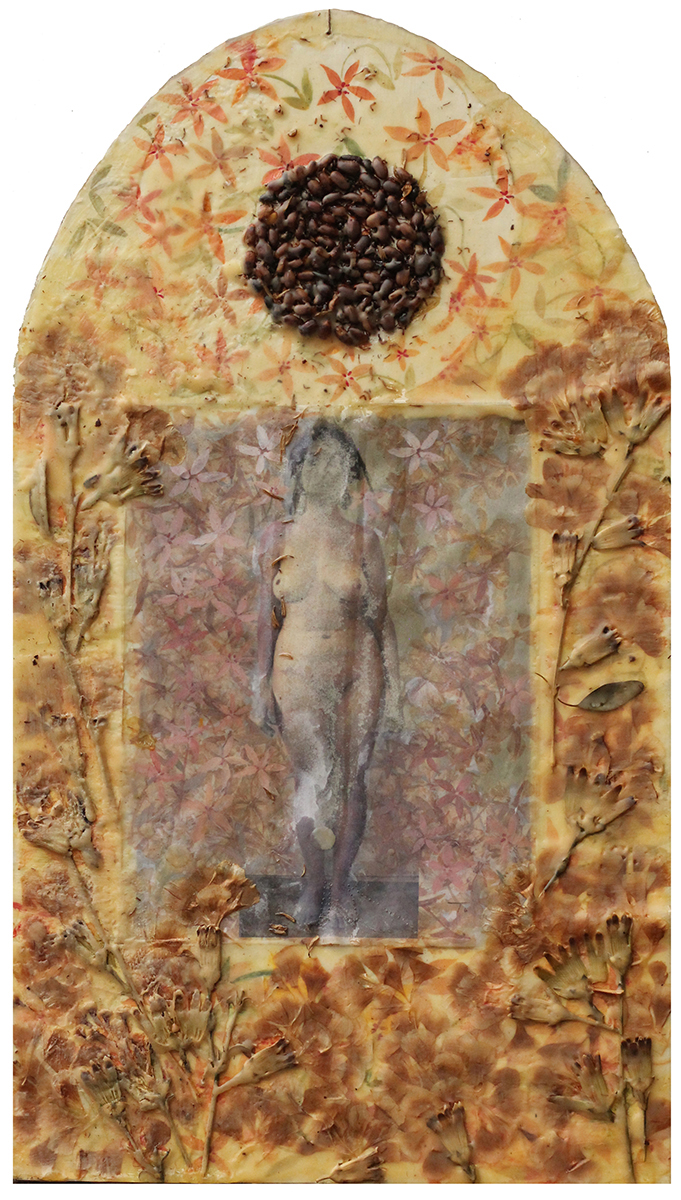
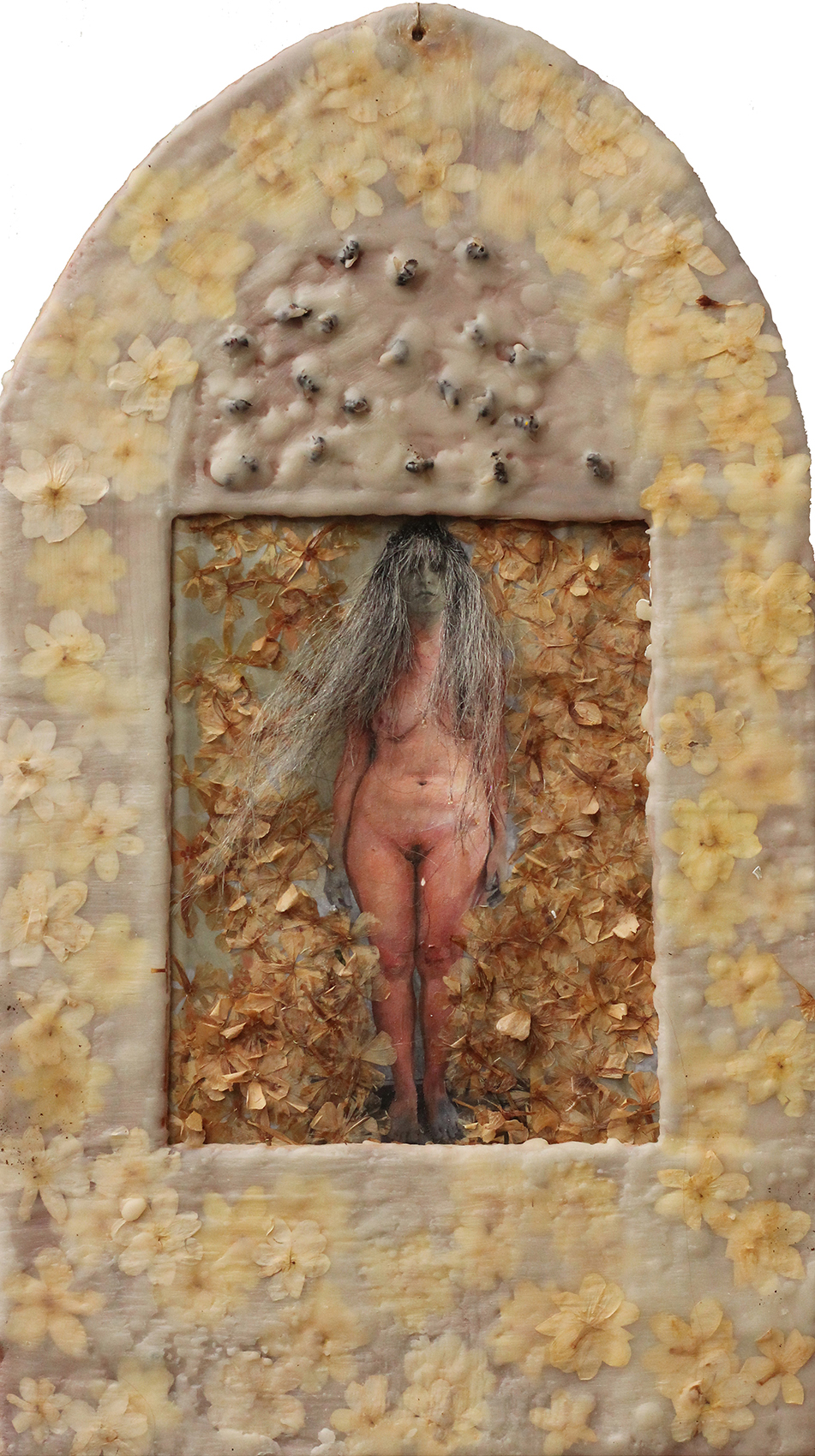
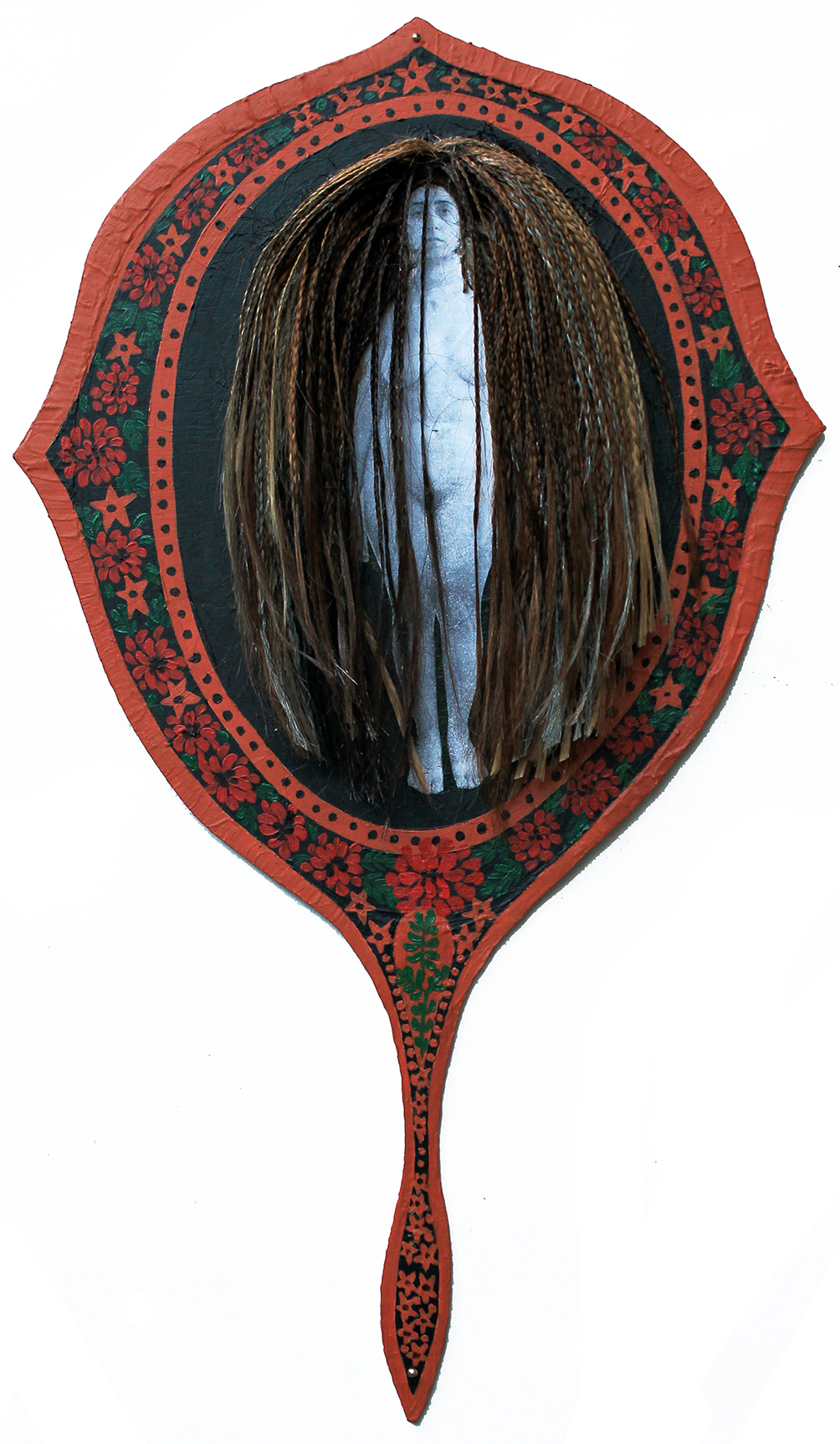
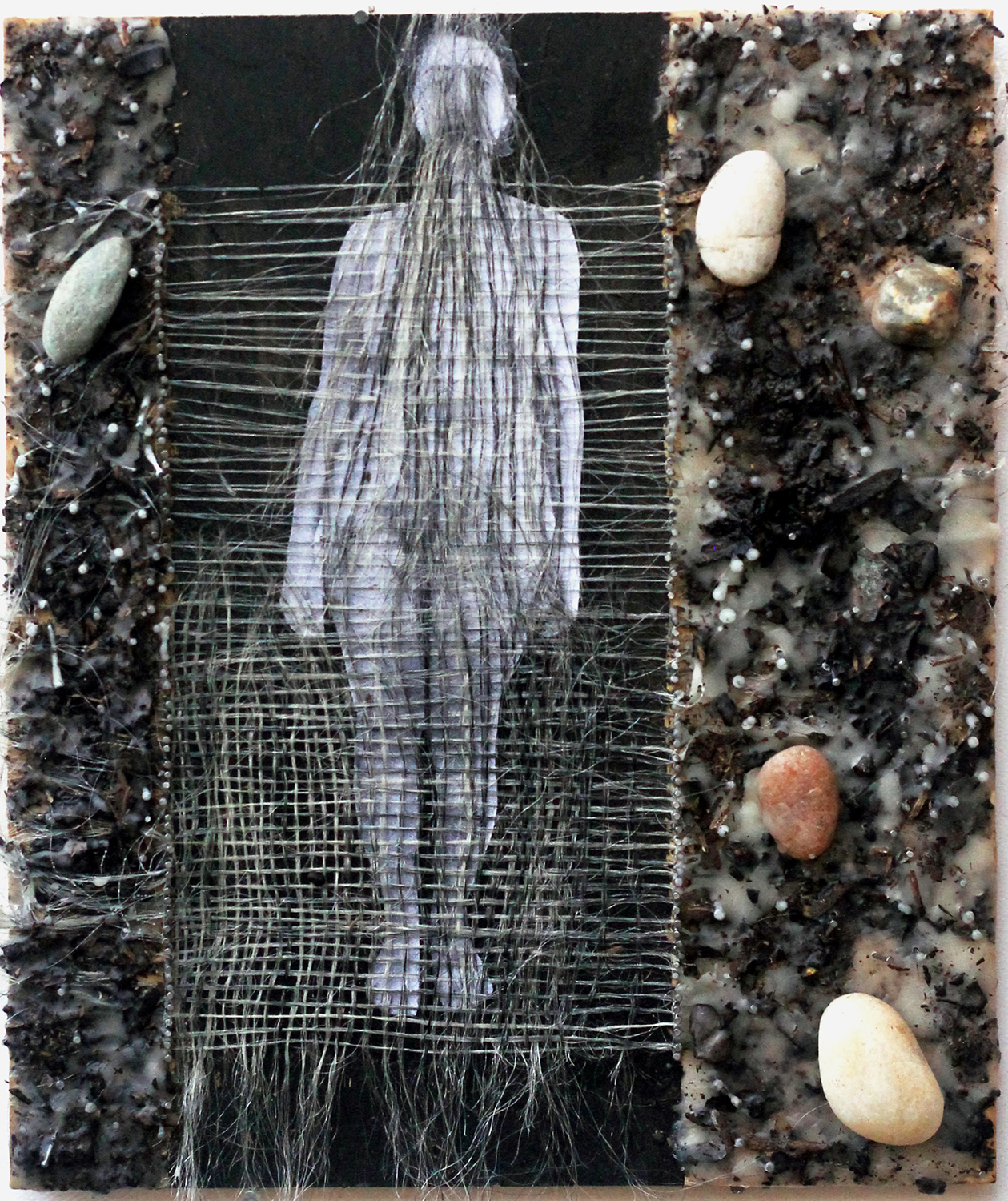
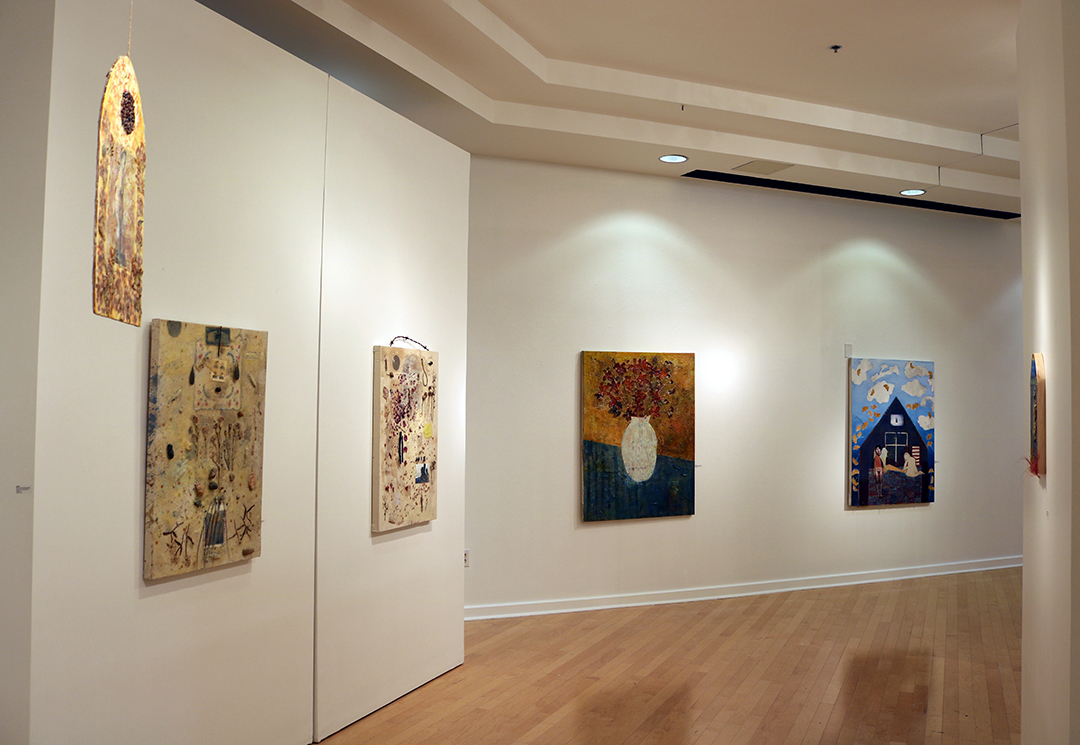
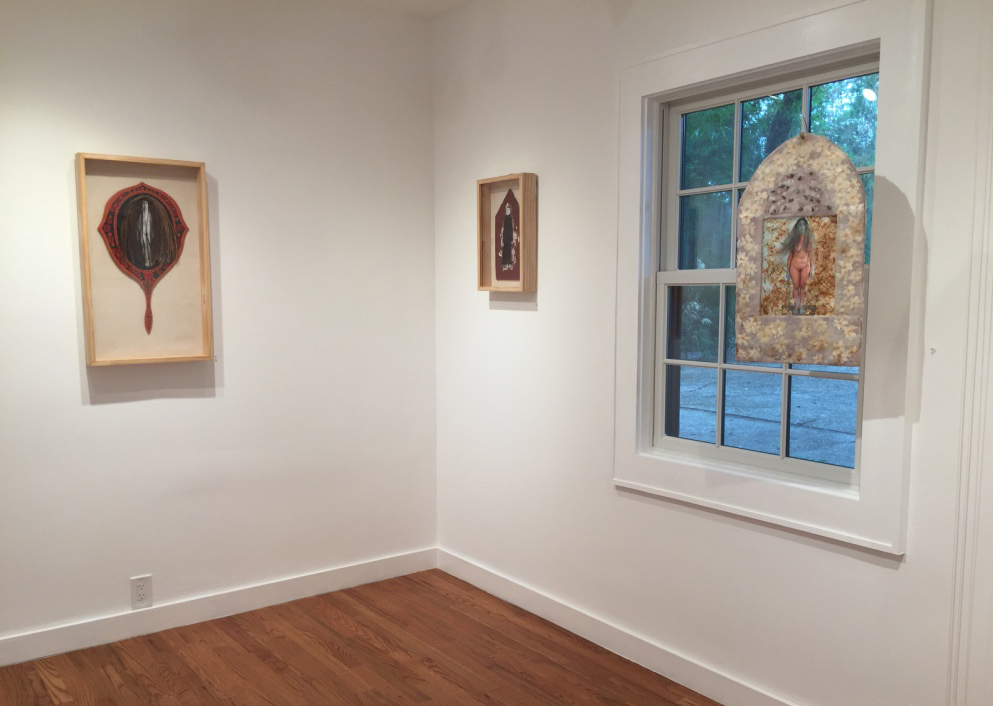
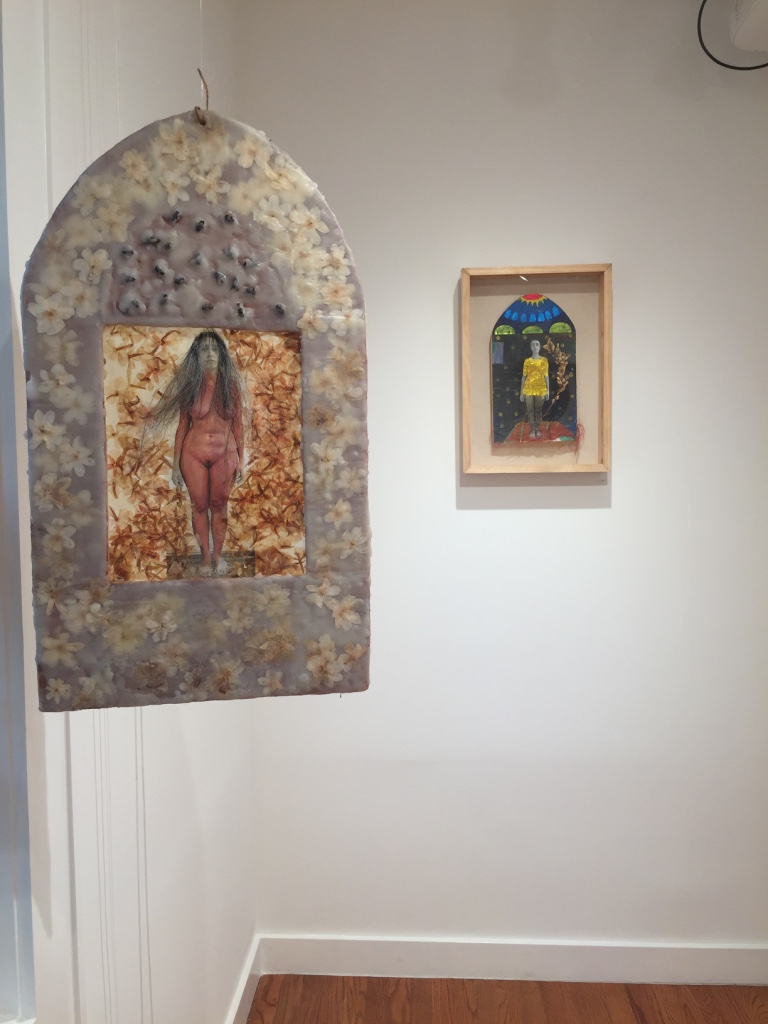
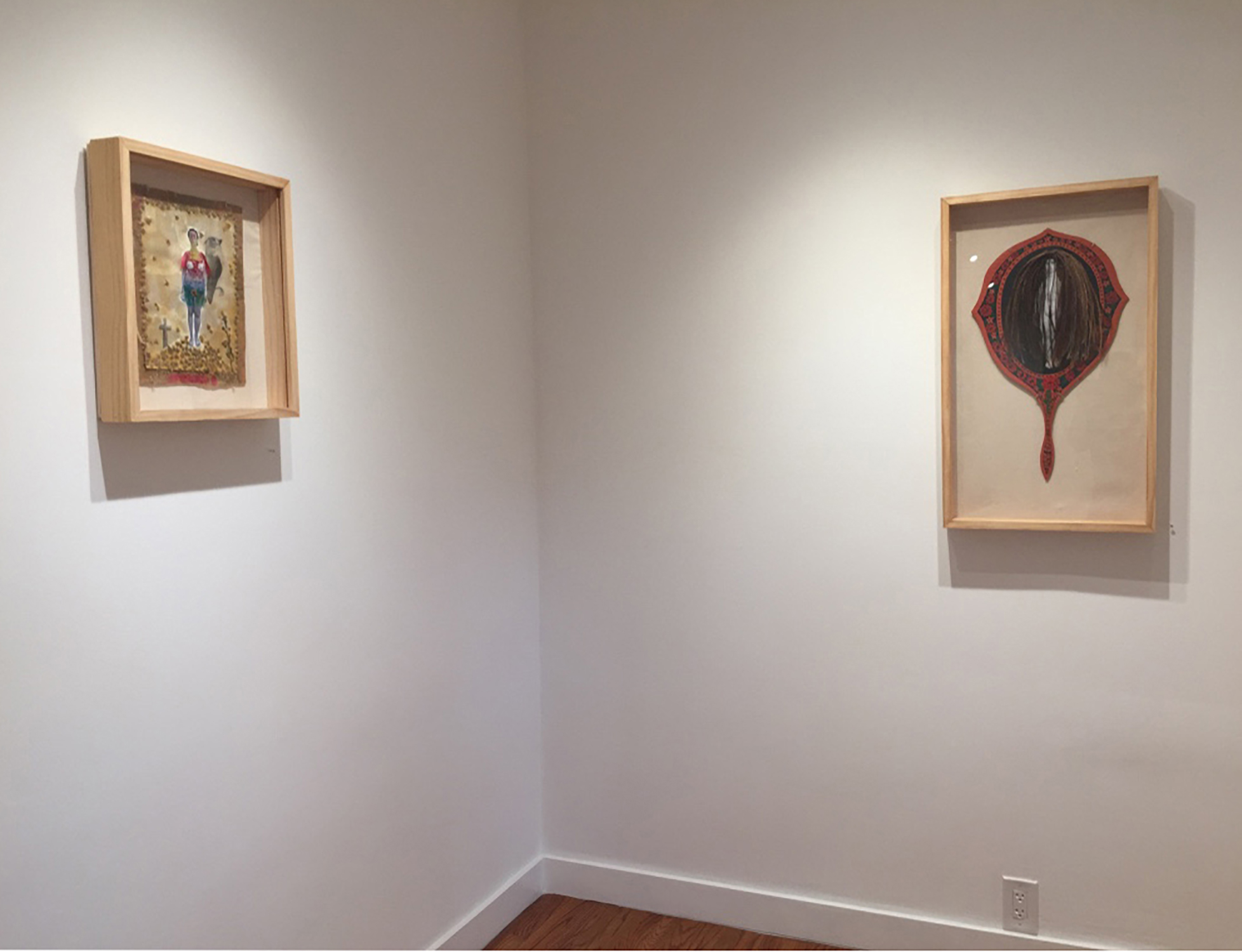
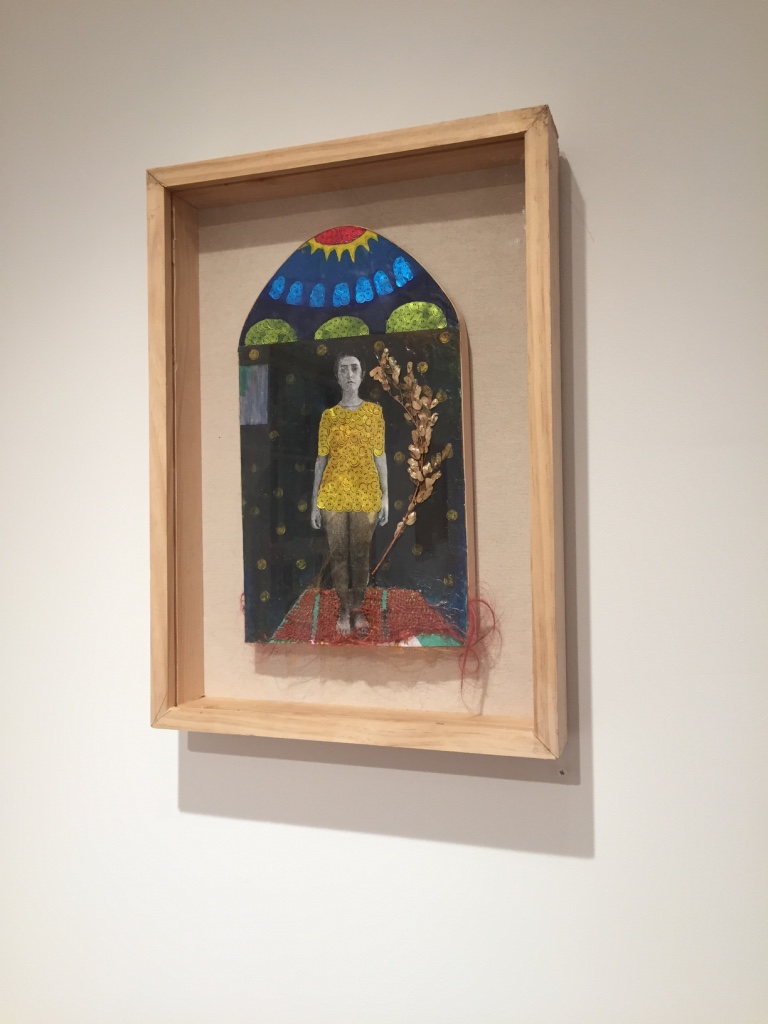
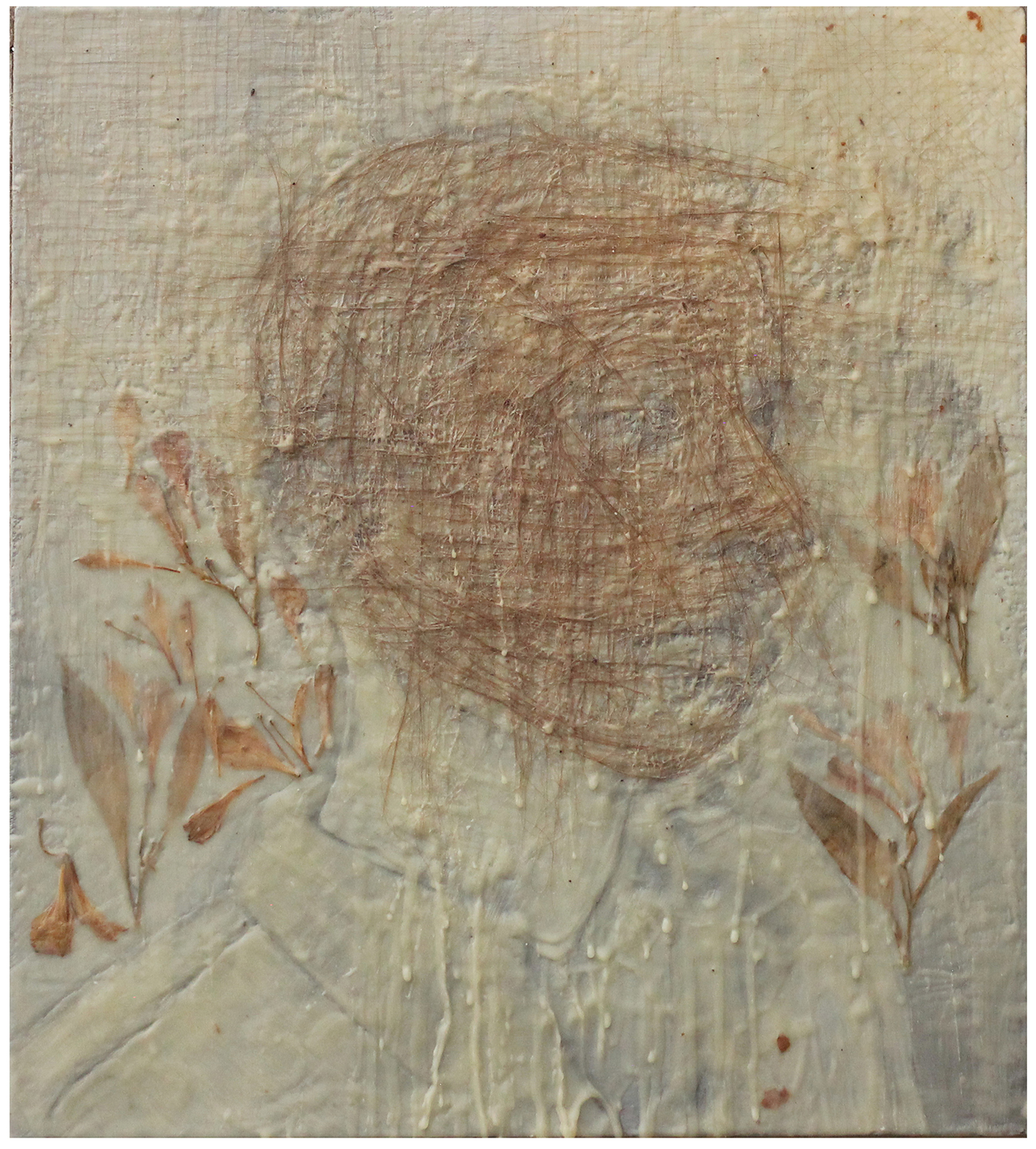
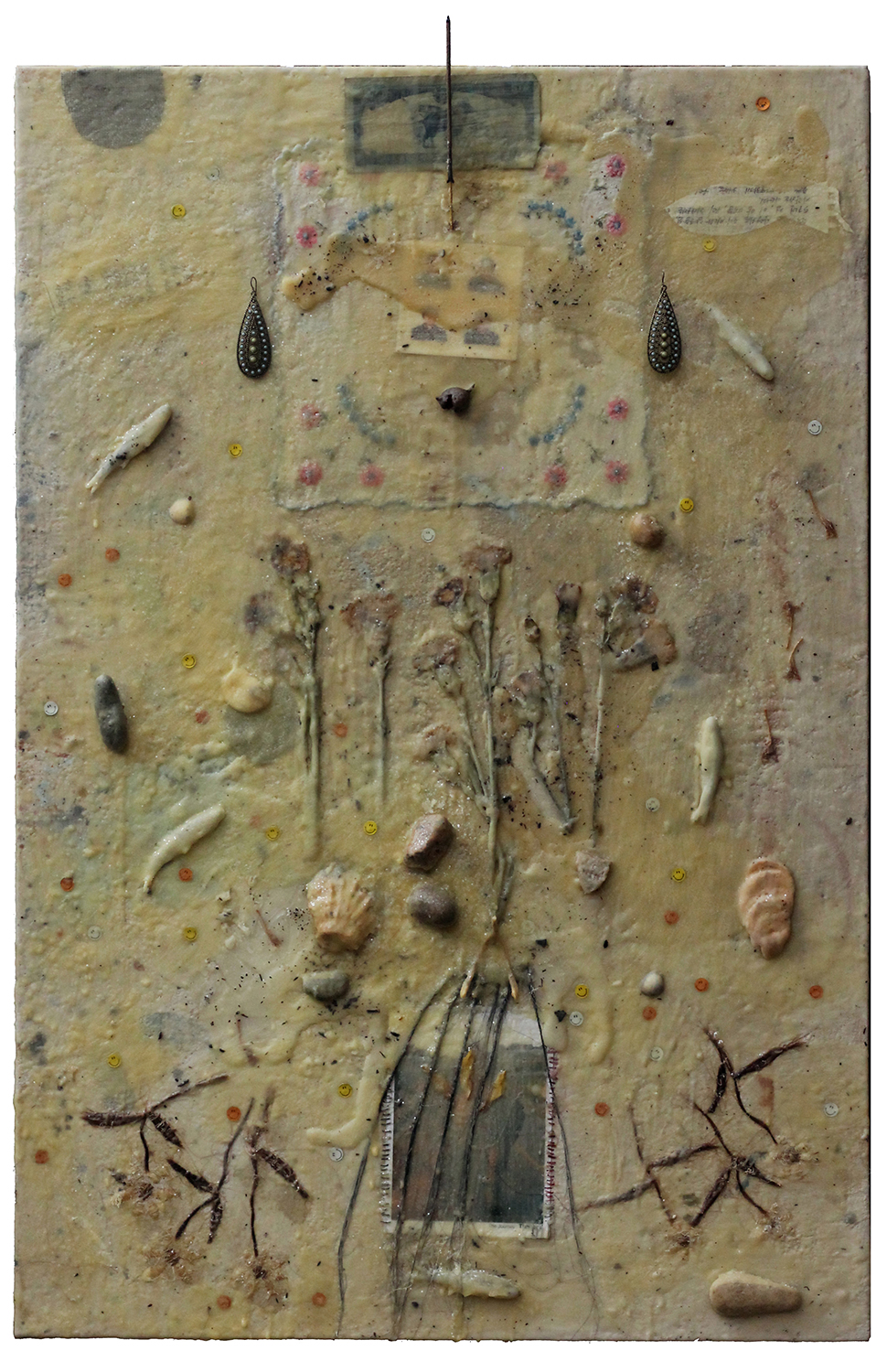
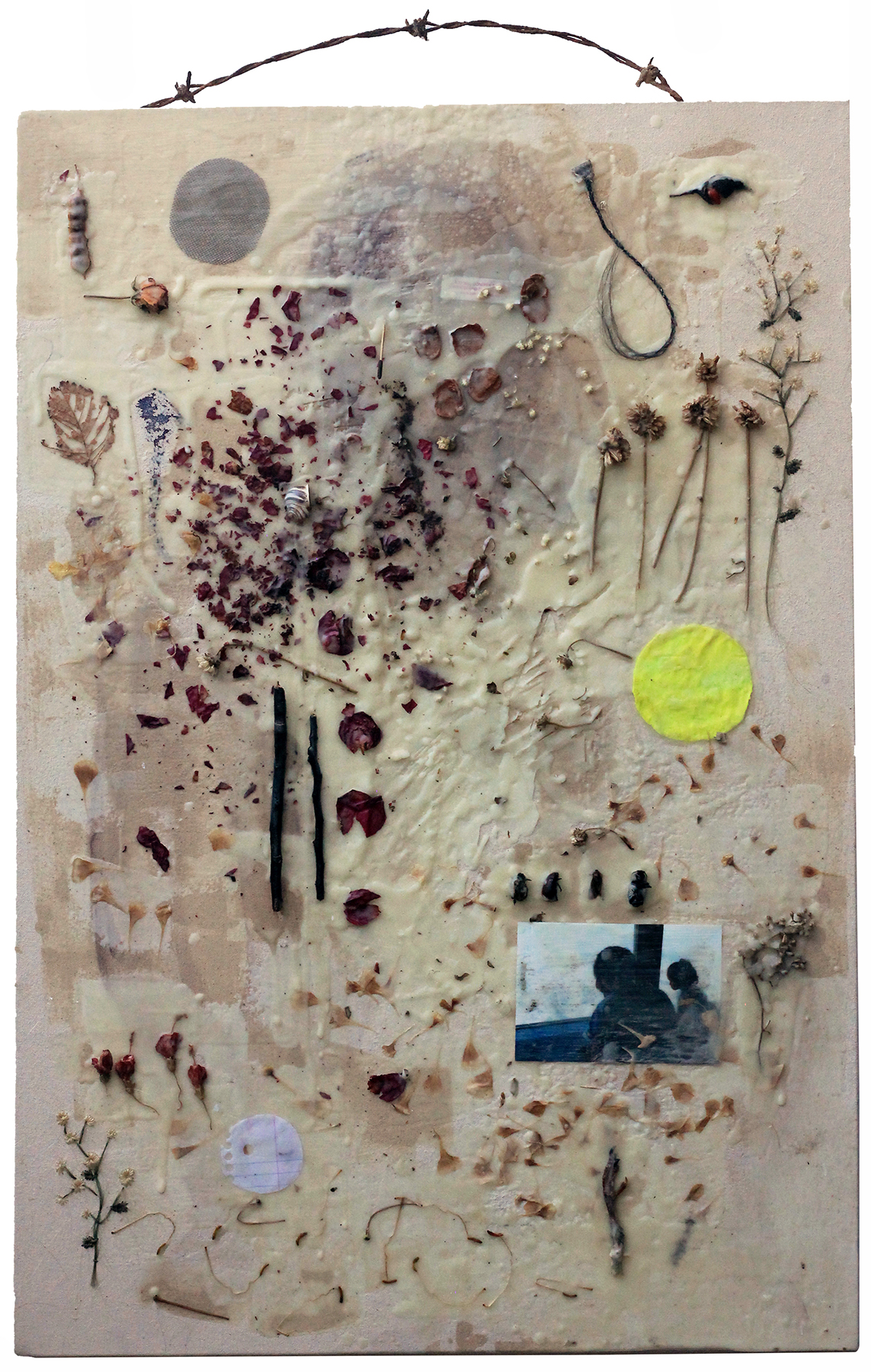
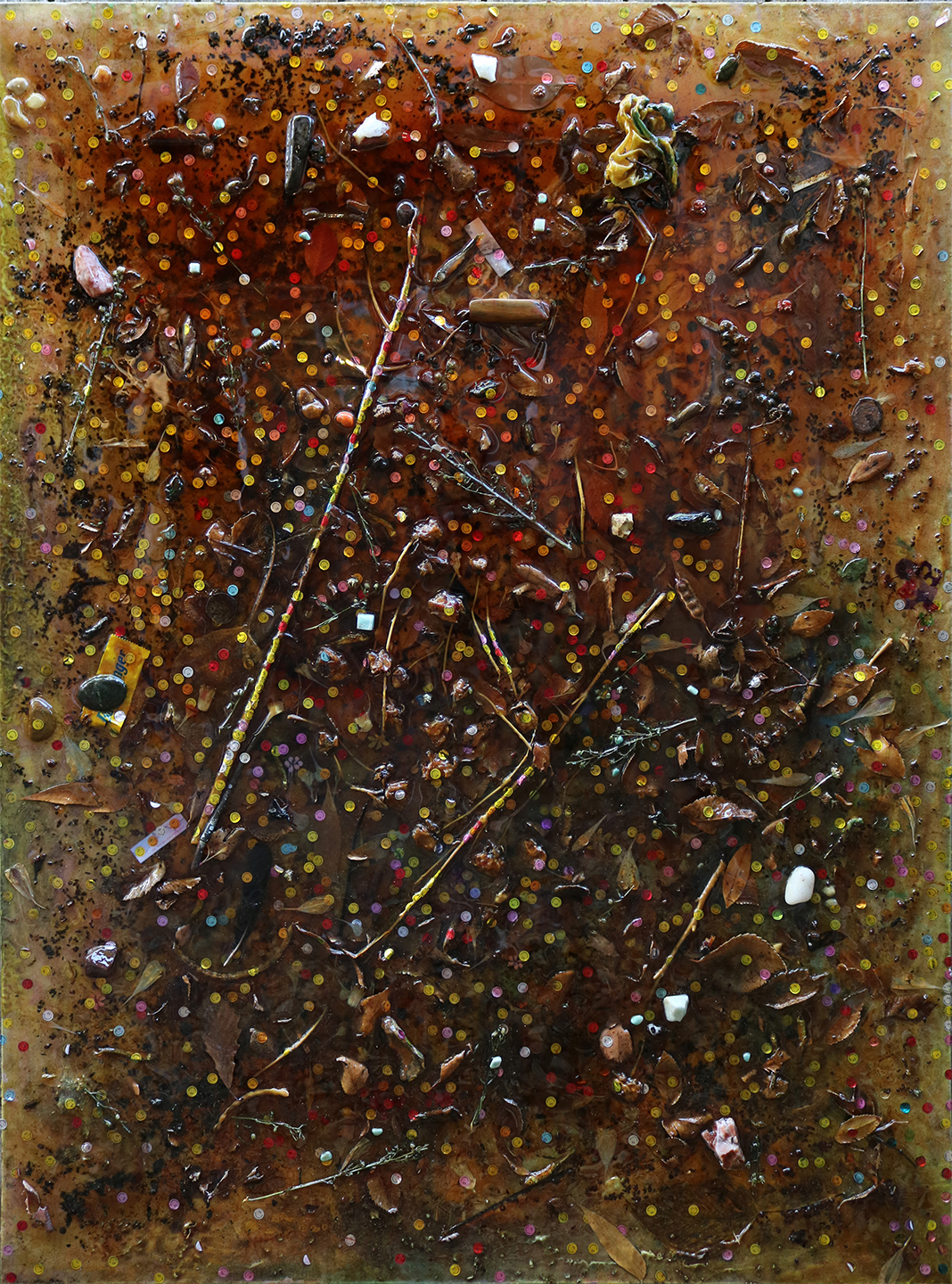
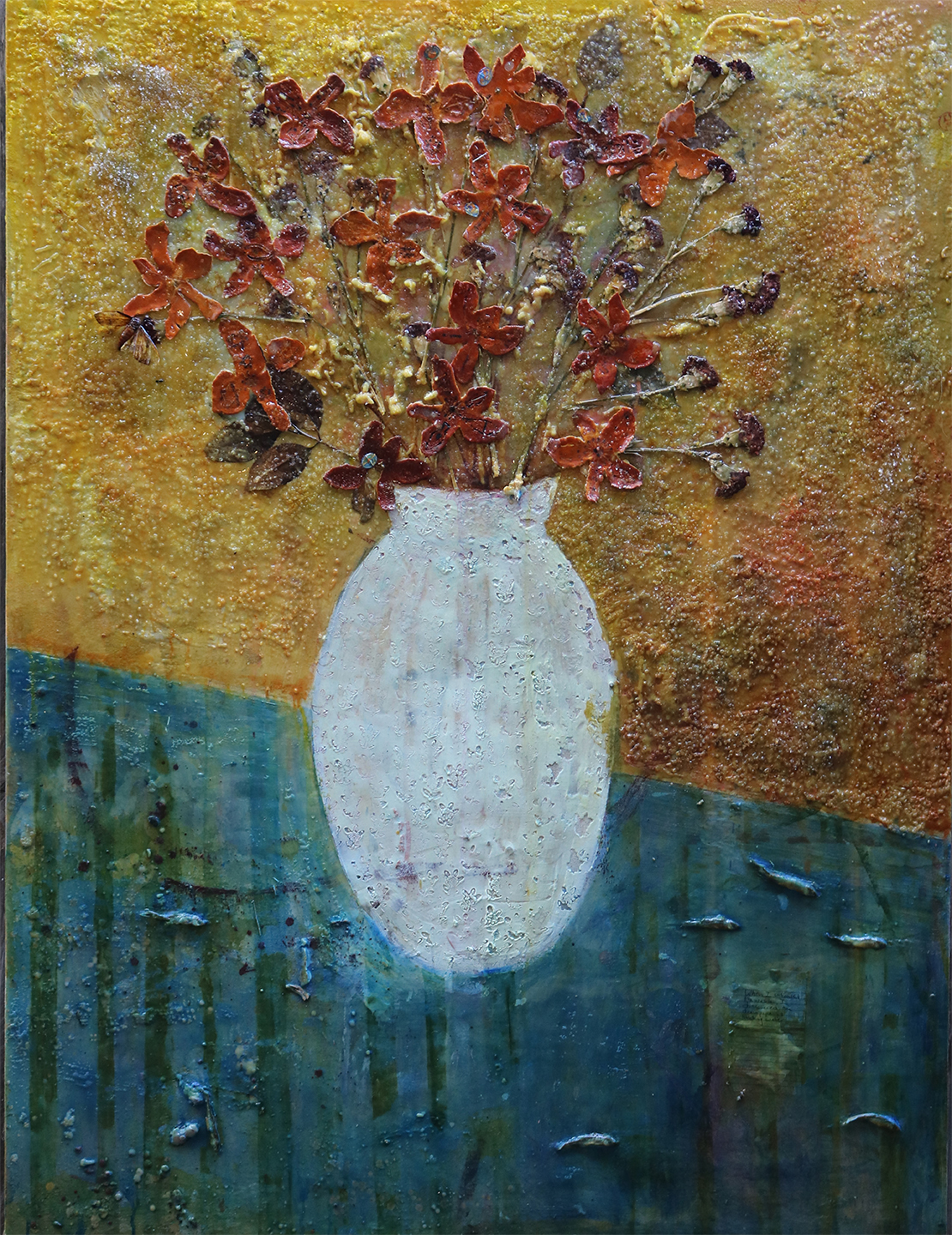
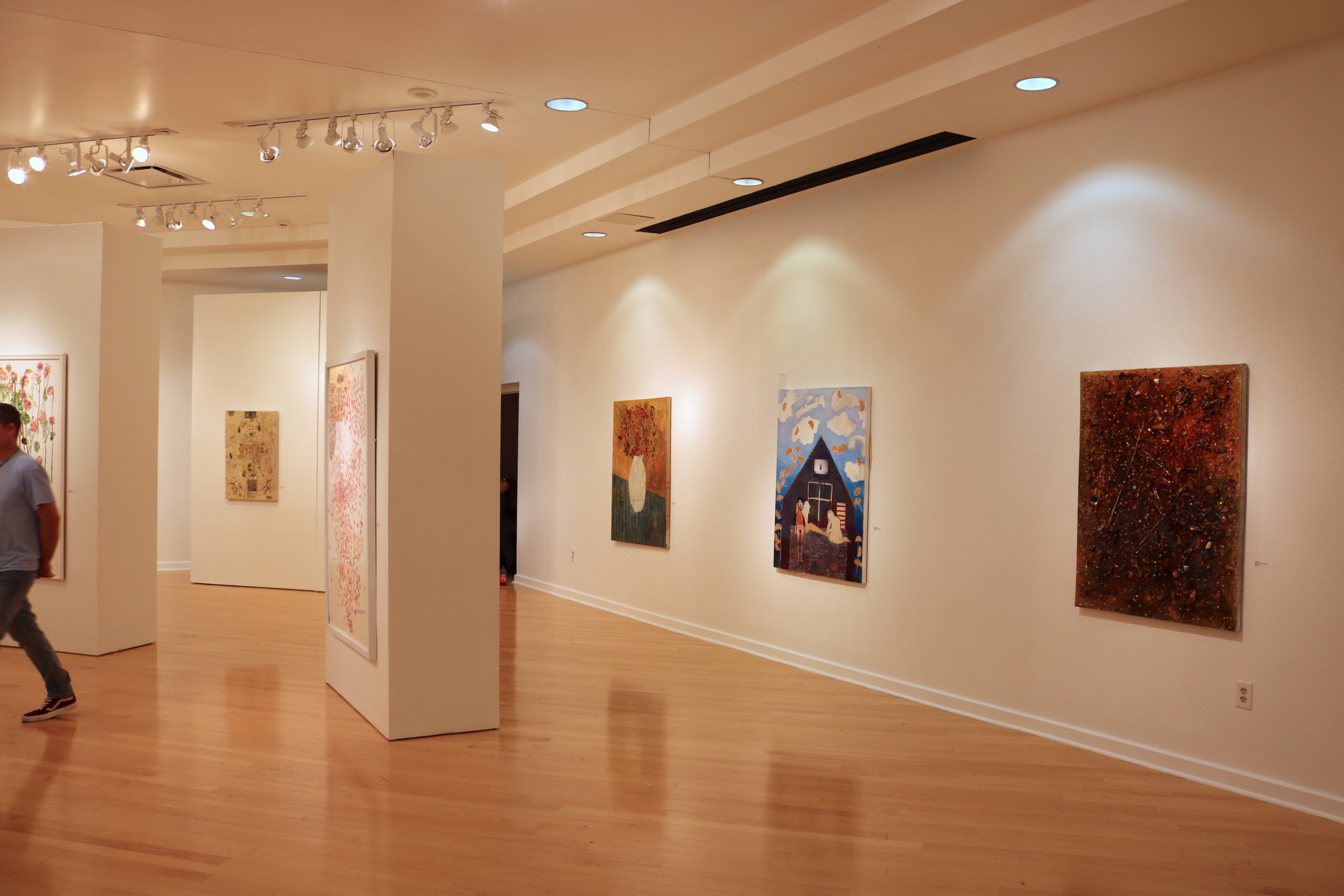
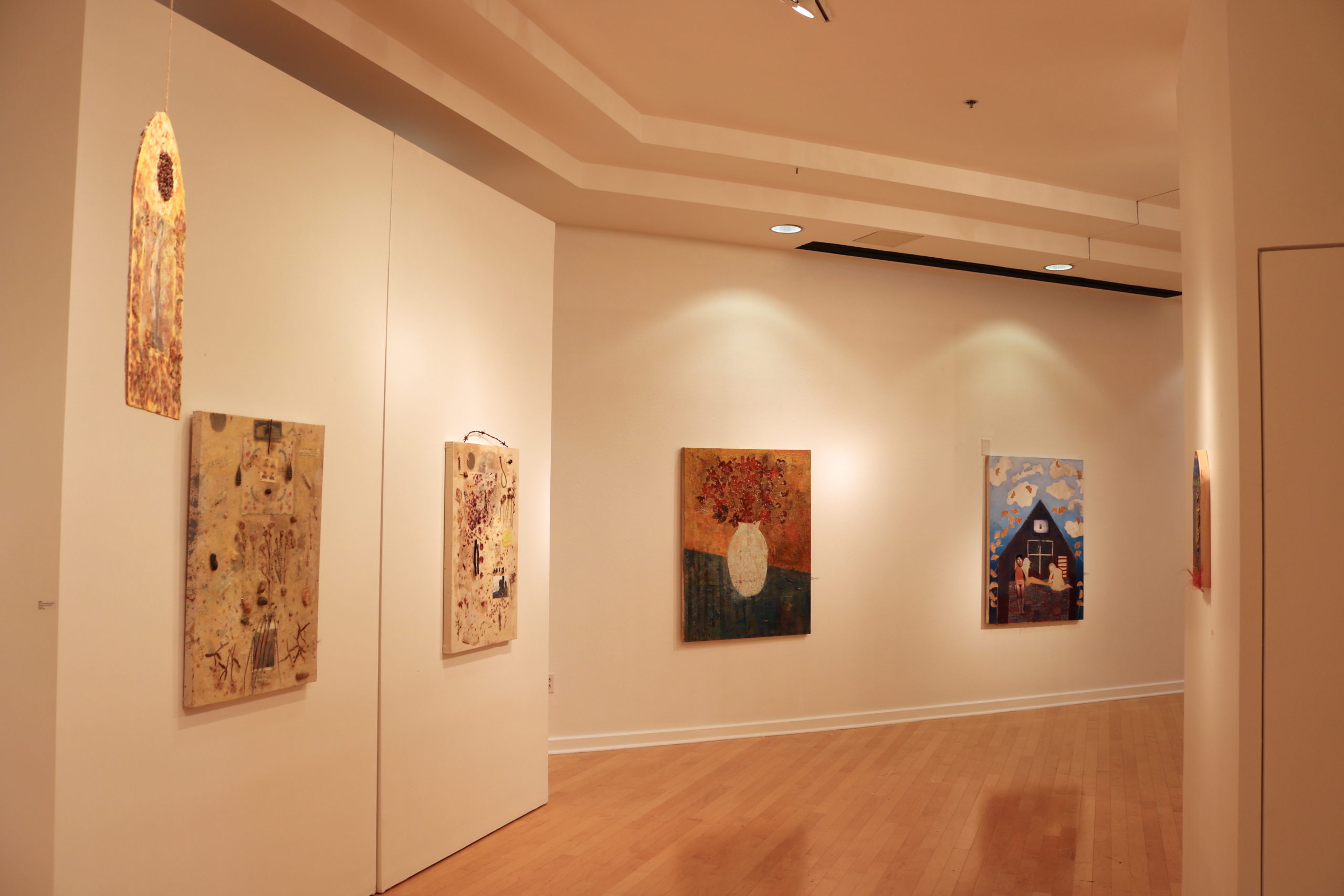
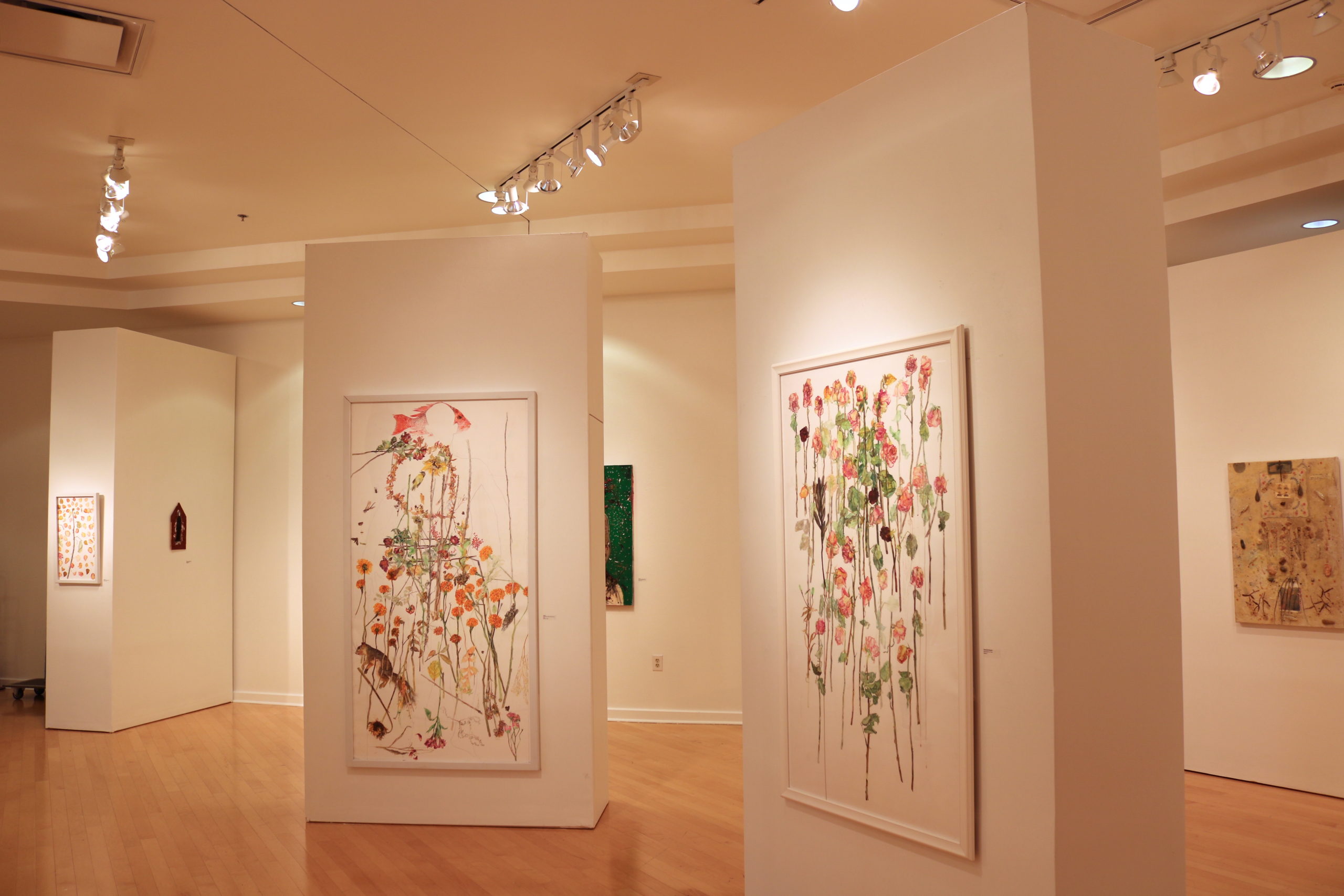
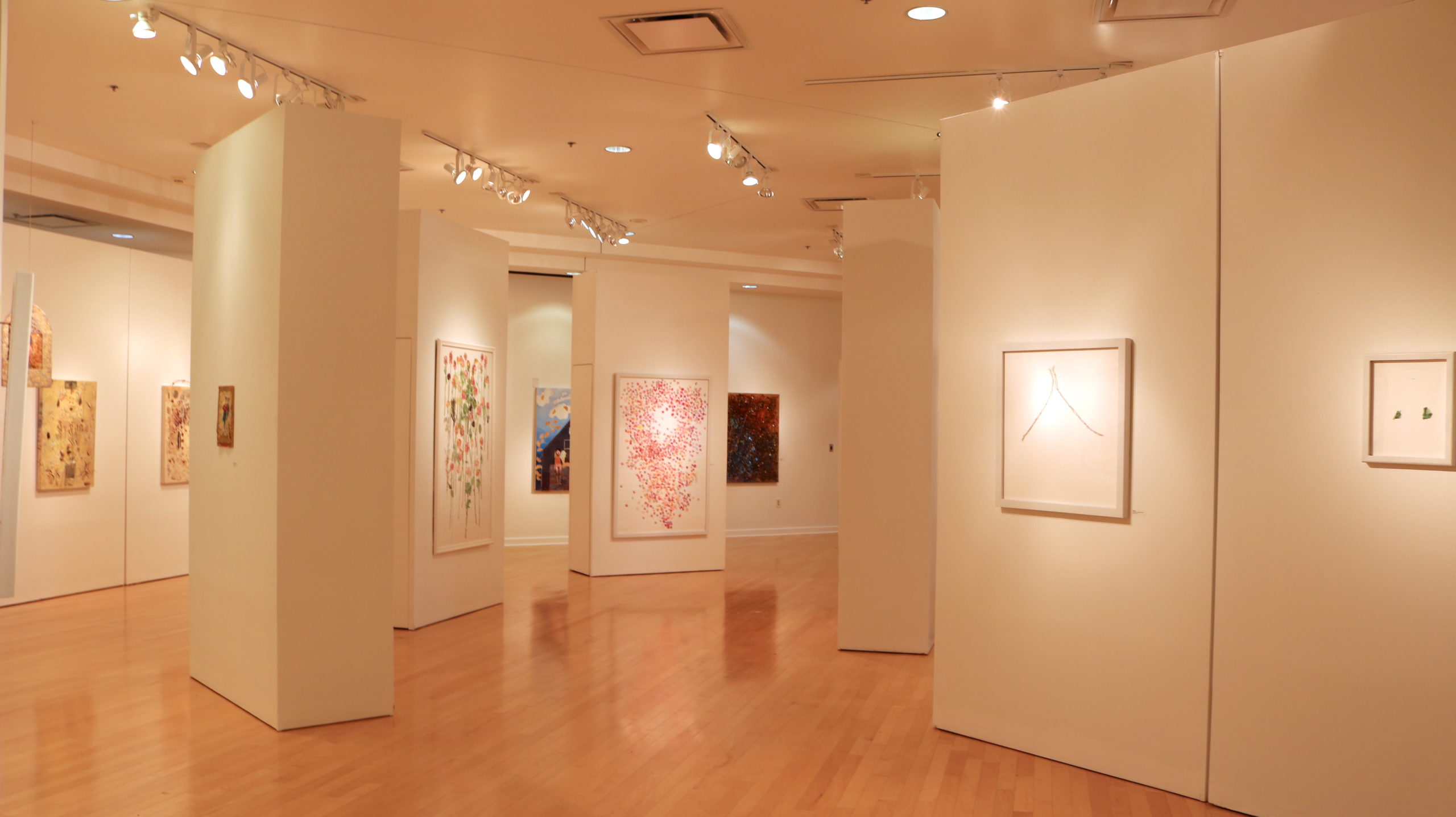
Being is grounded in what being fully present means. Inspired by the artist’s daily meditation practice, she works without a fixed idea of process or outcome, letting each piece move the way nature does: unpredictably. Found objects are embedded in layers of wax and resin: fallen leaves, pressed flowers, dried insects, set against personal things like photographs, handkerchiefs, and jewelry. Together they become shape and color, compositions that tell small, symbolic stories of memory, time, and identity.
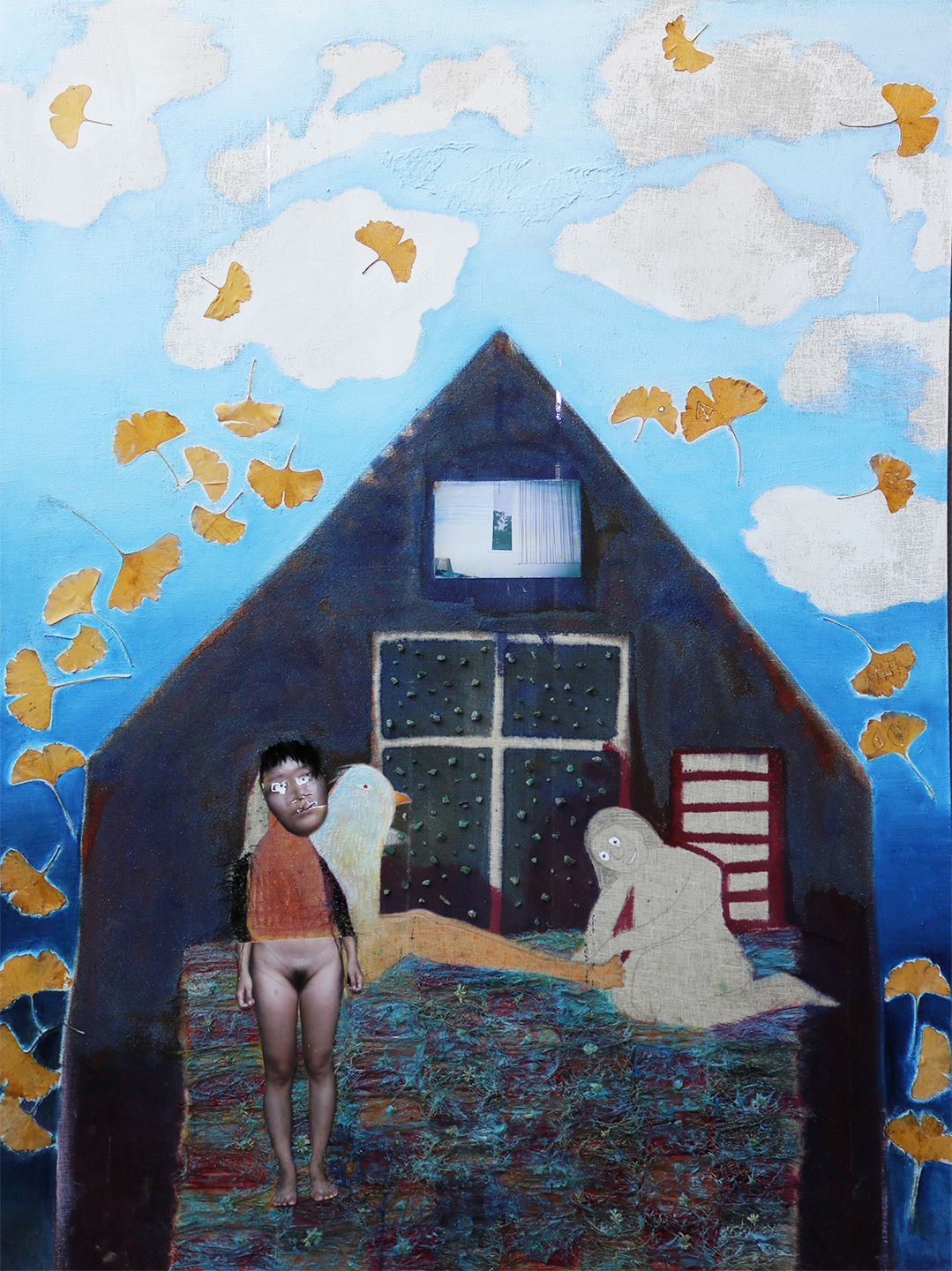
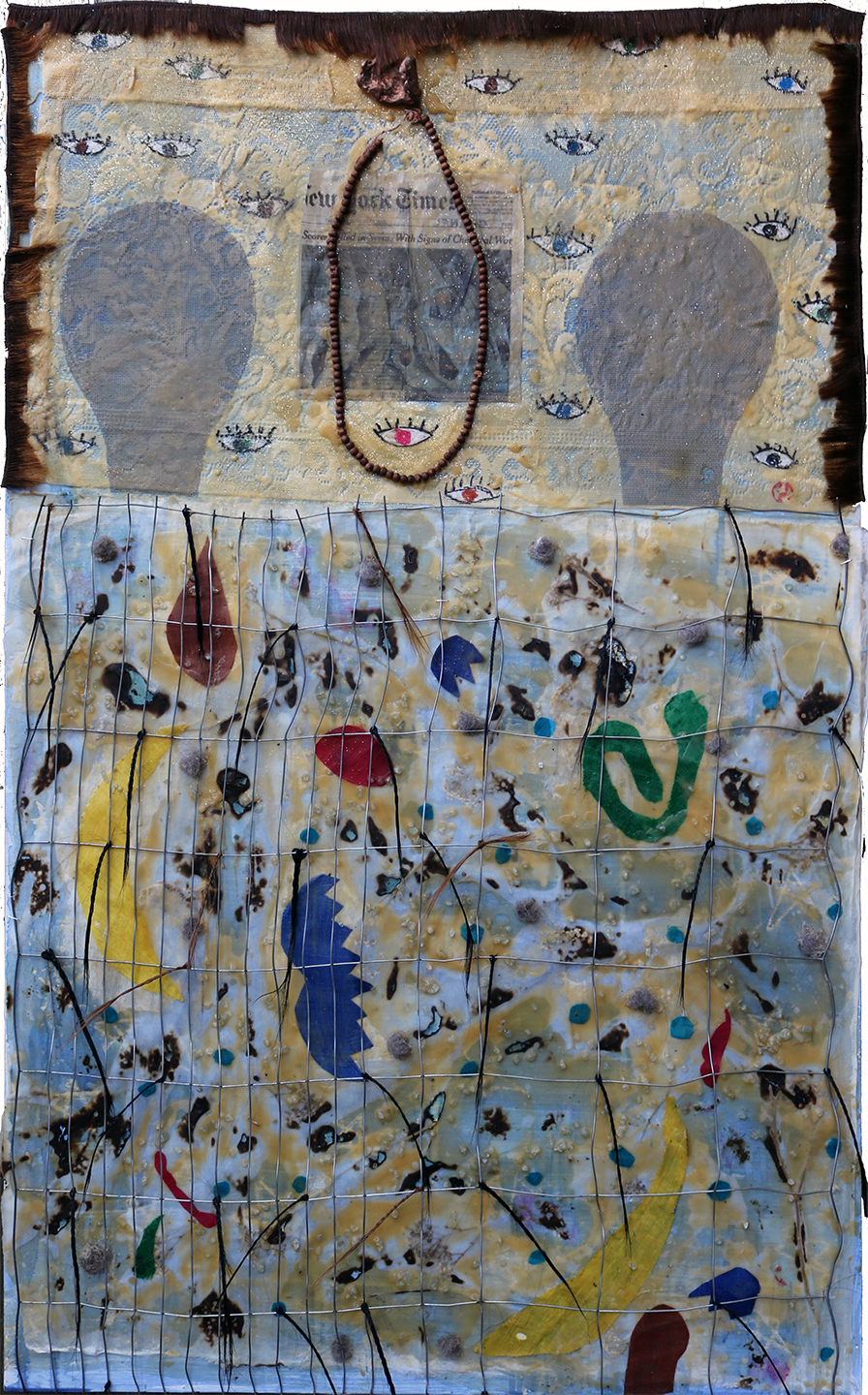
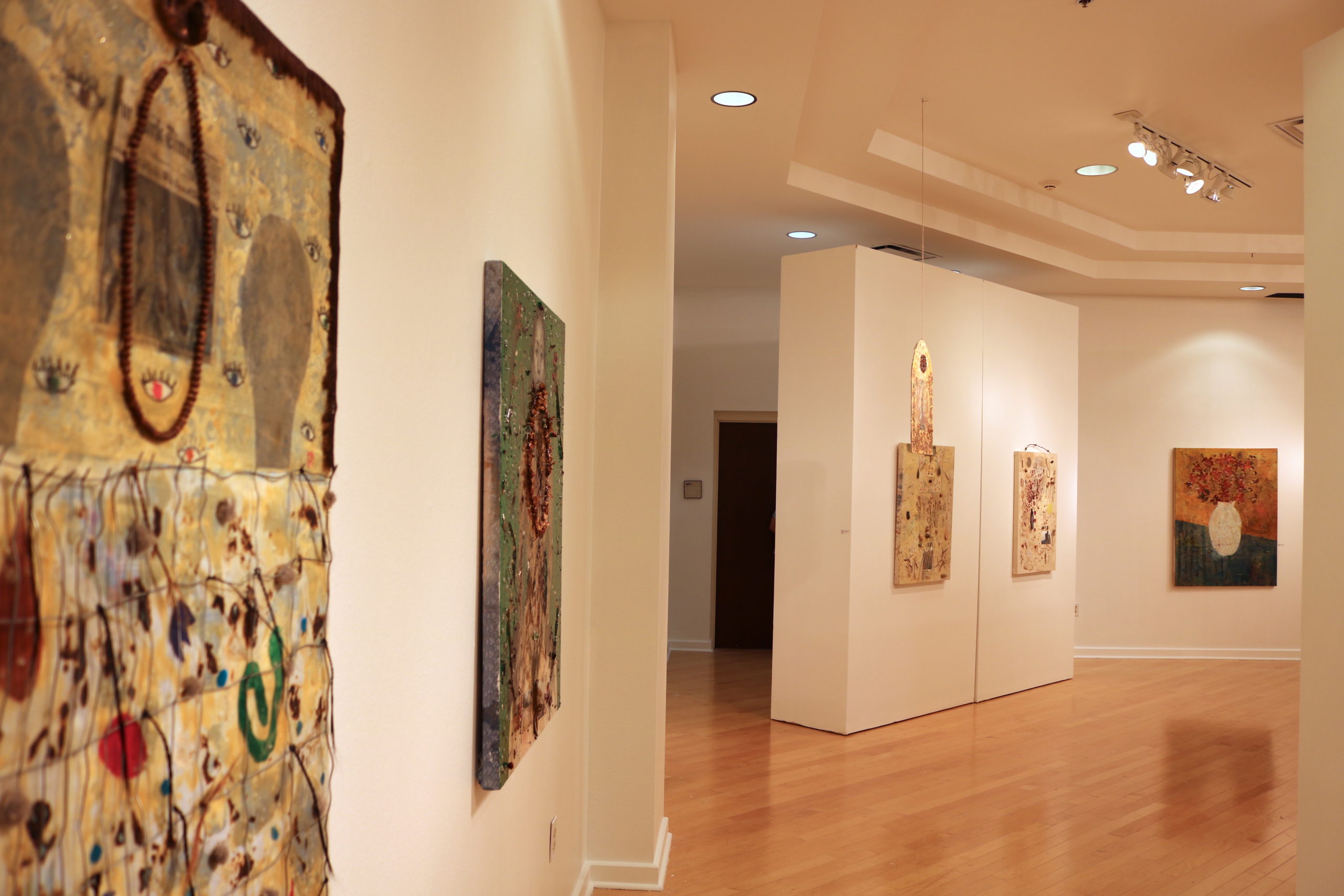
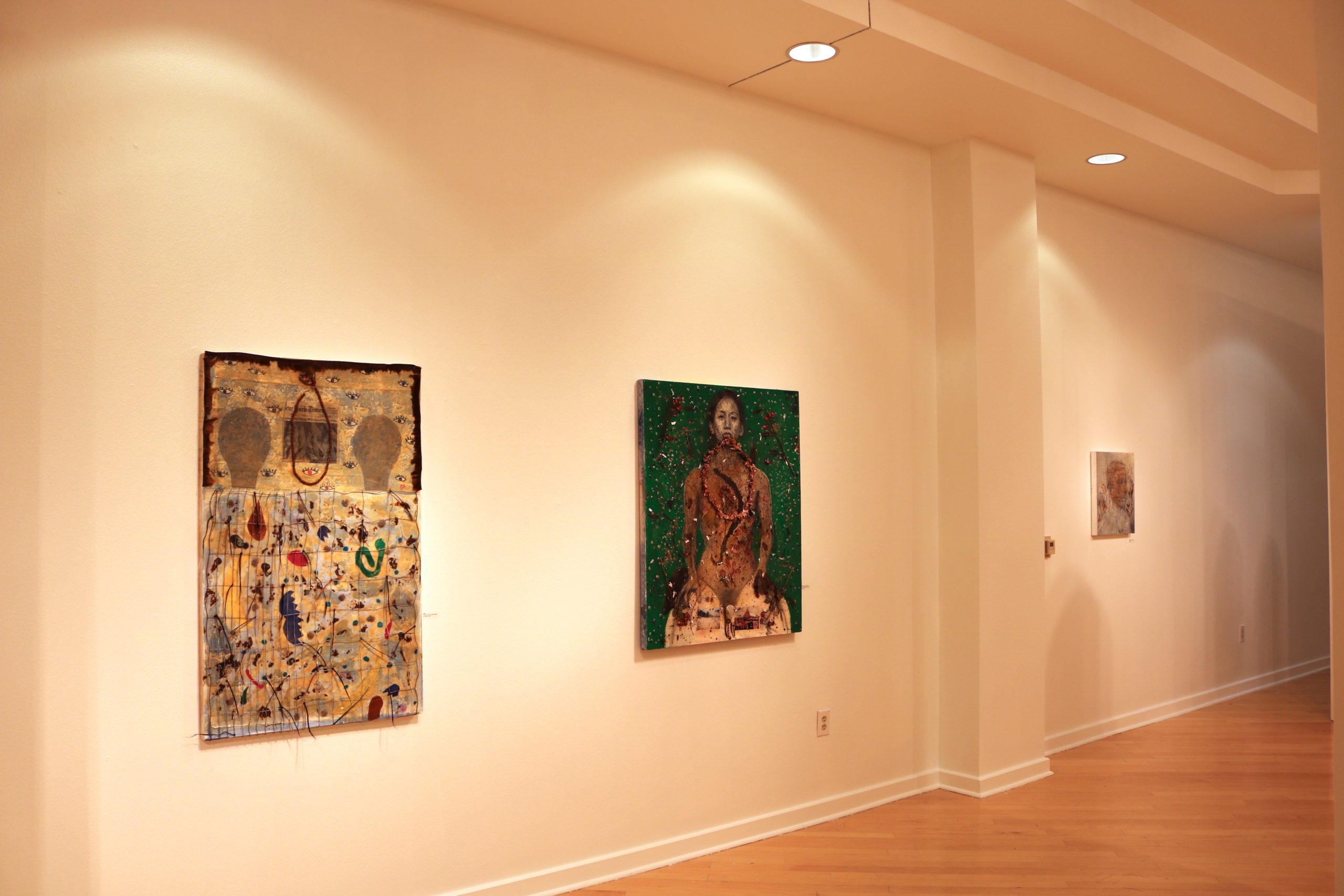
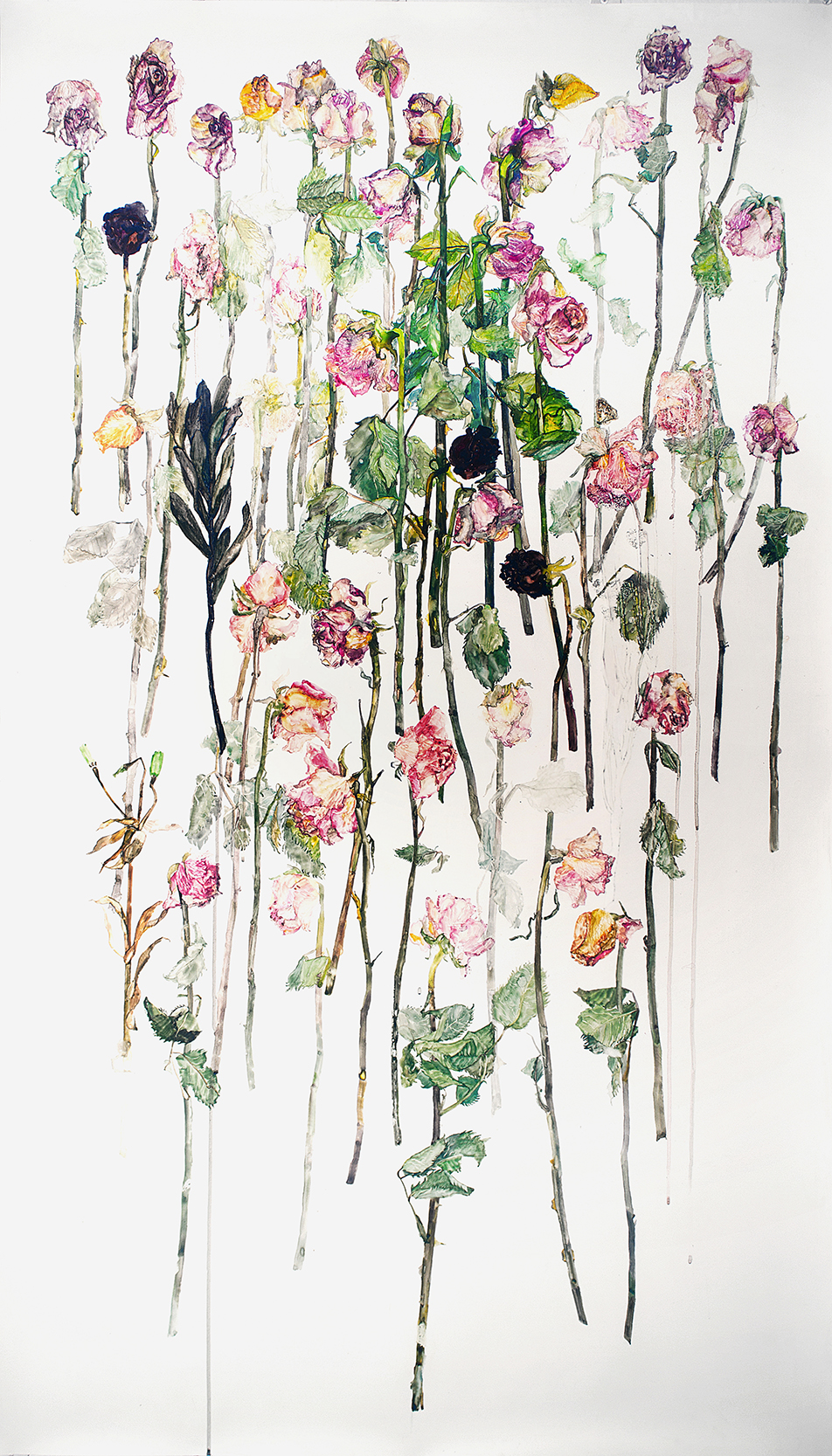
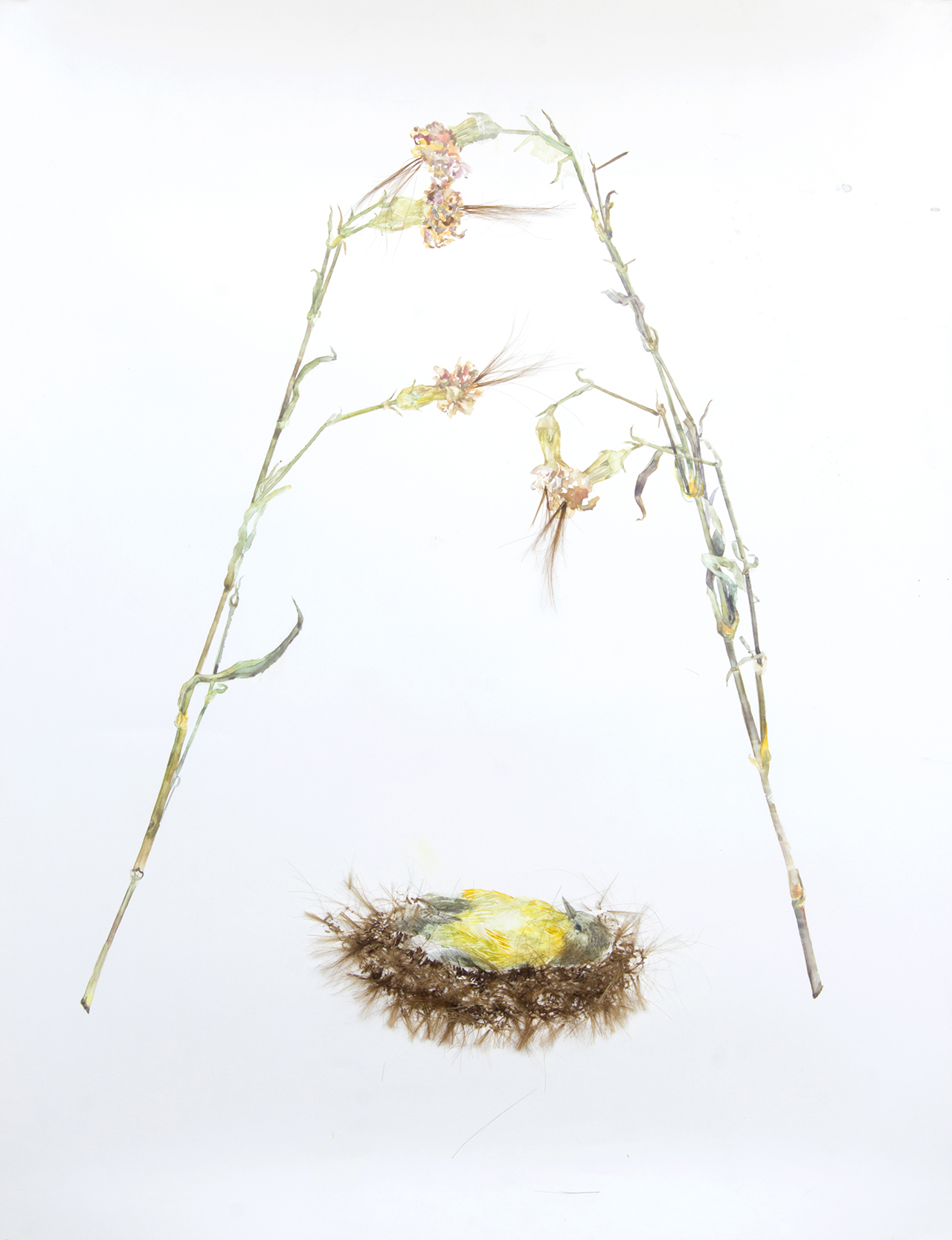
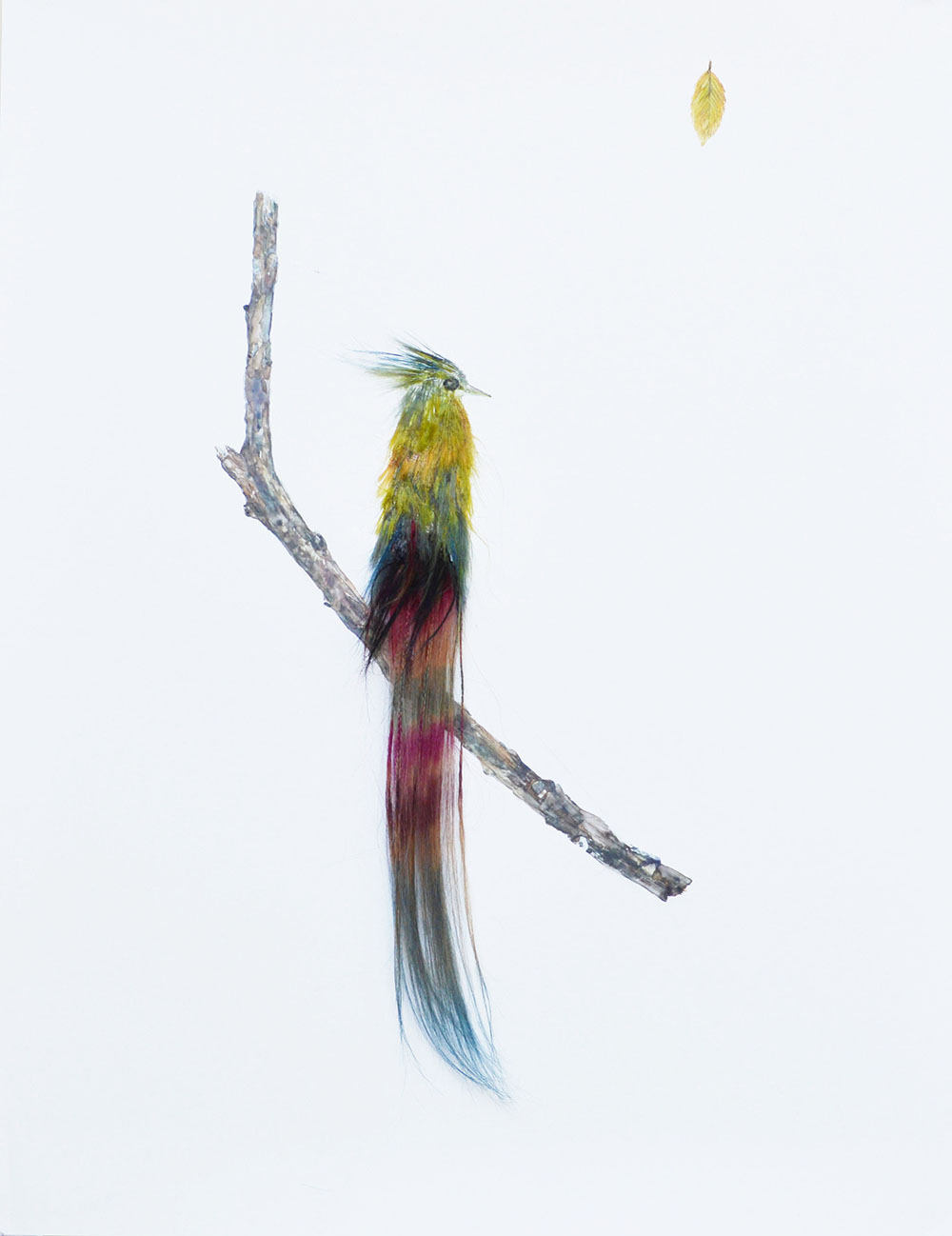
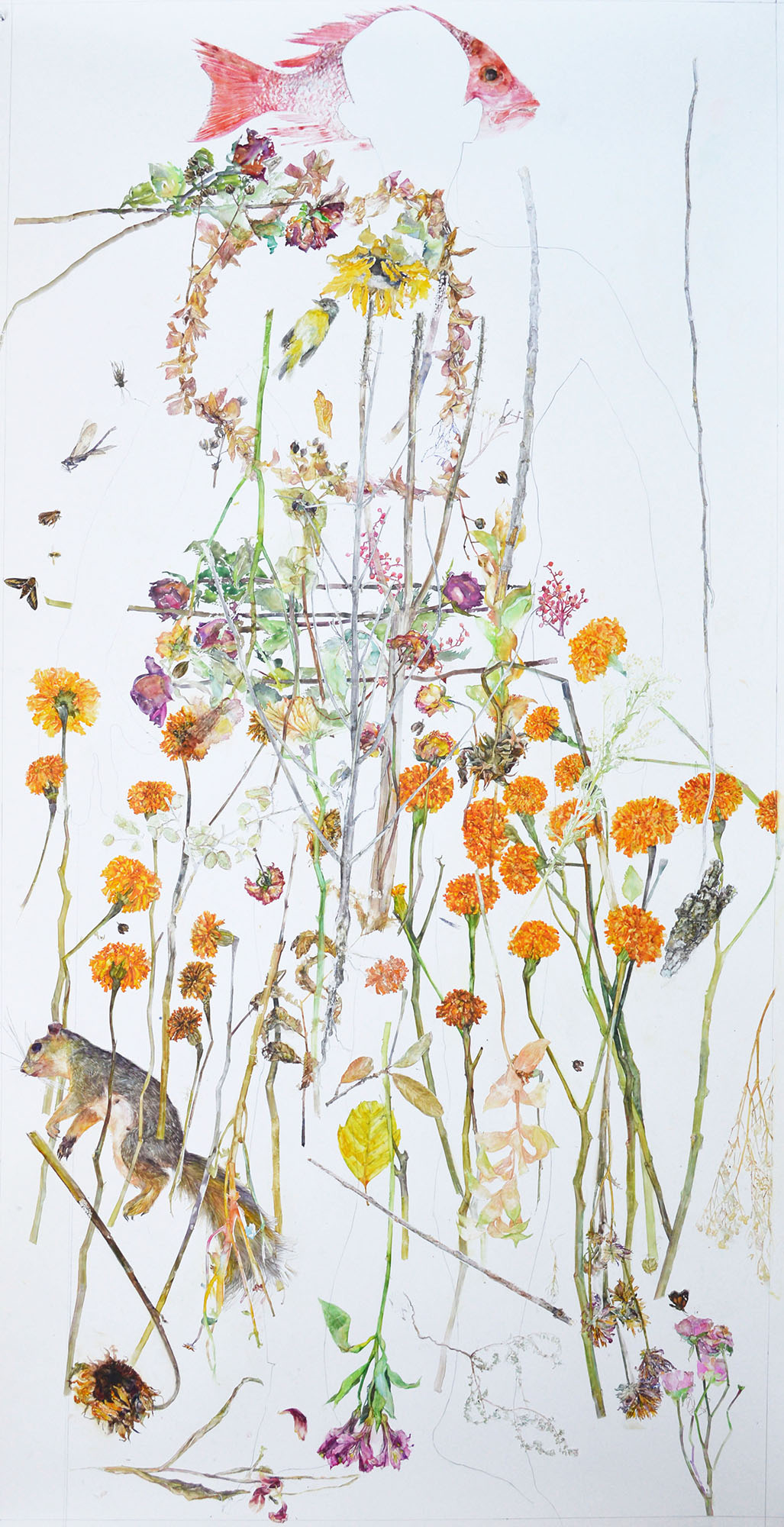
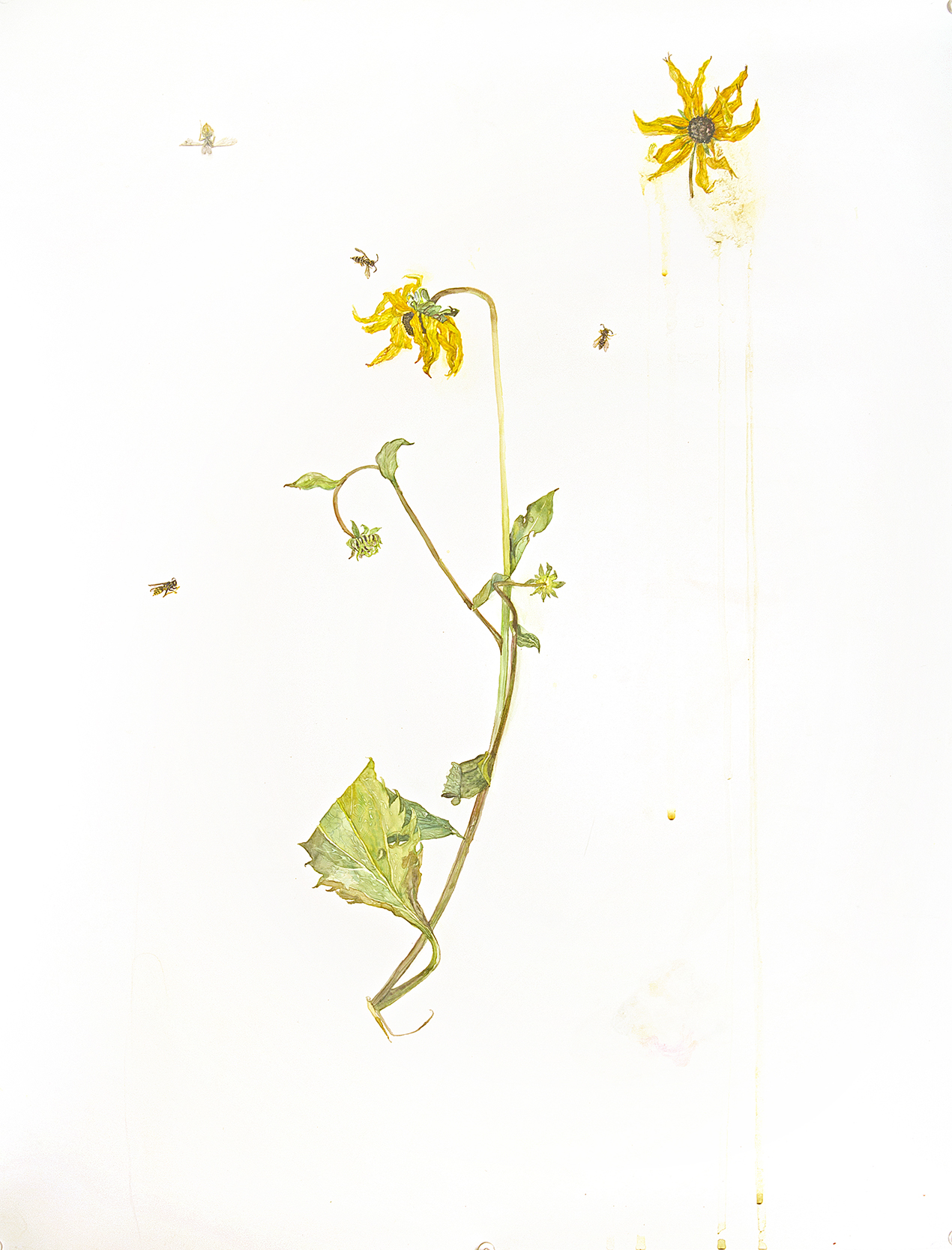
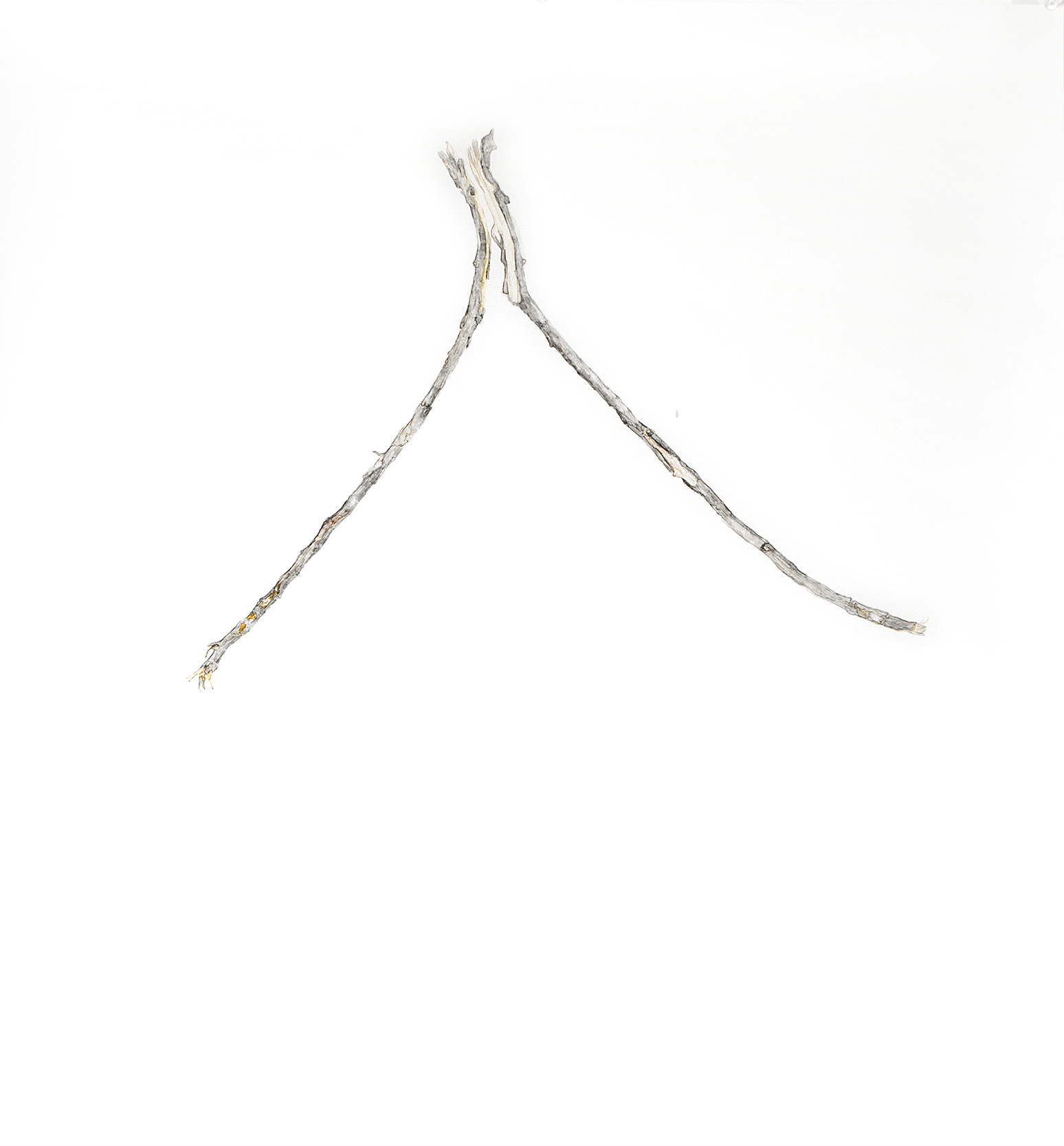
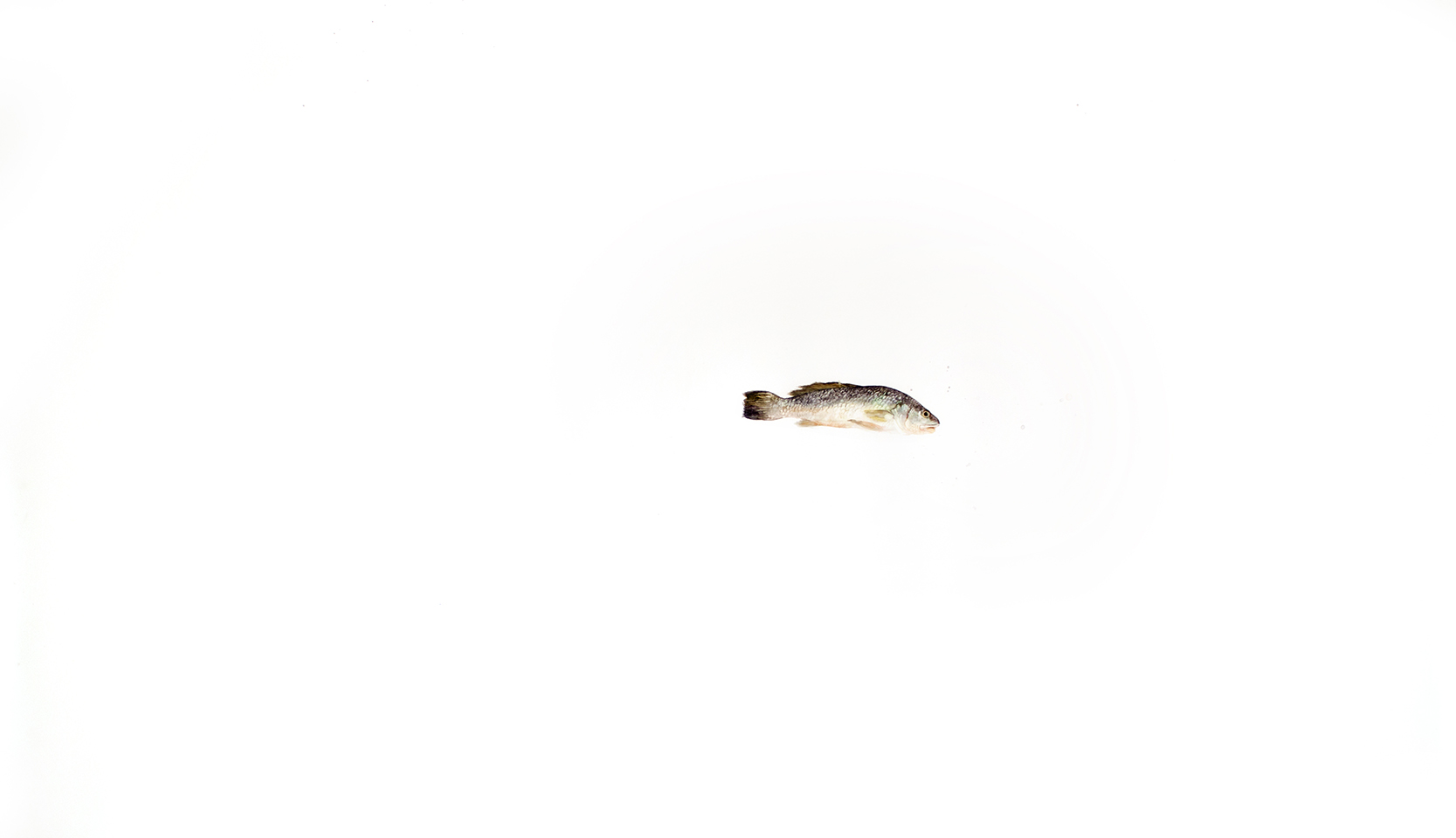
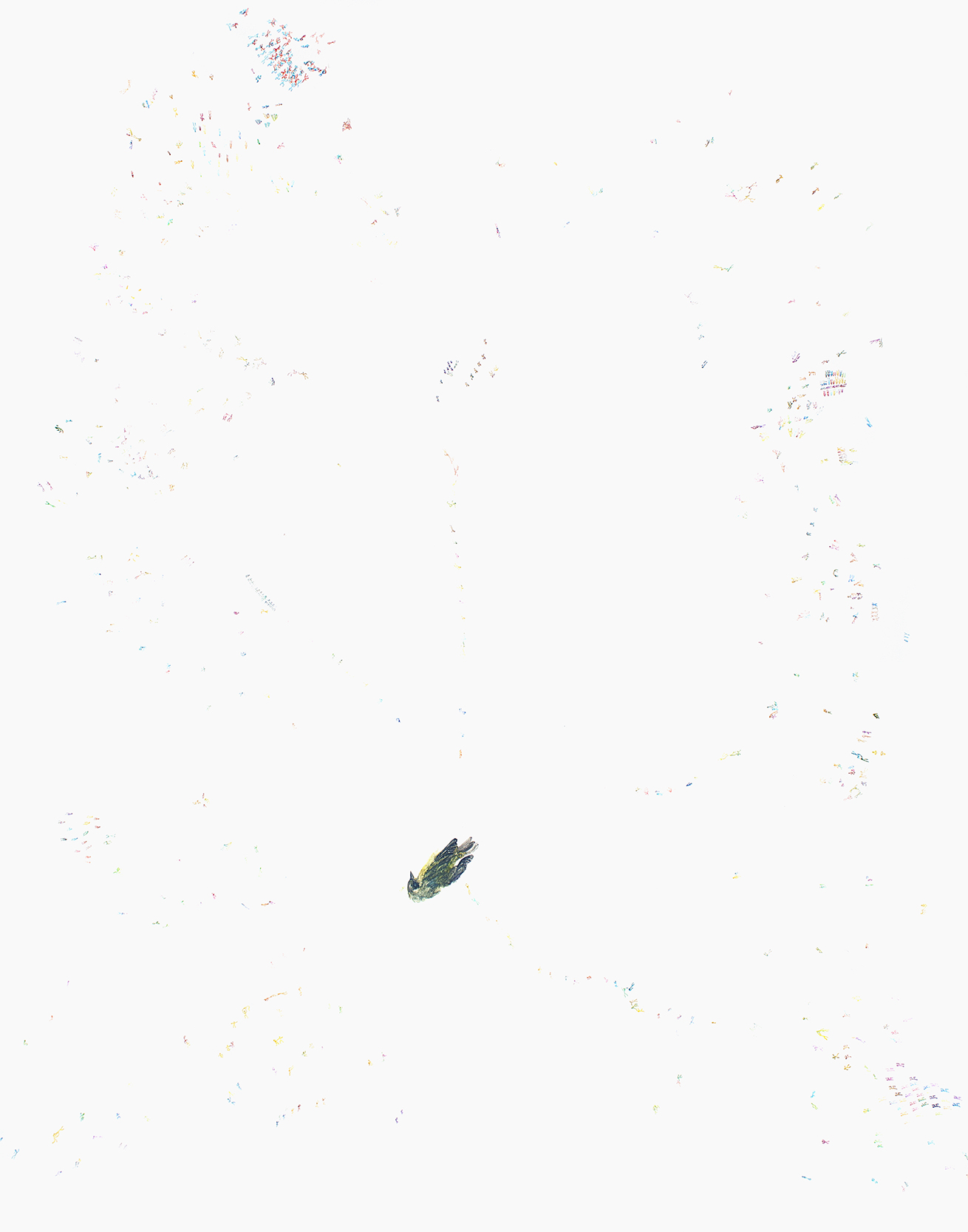
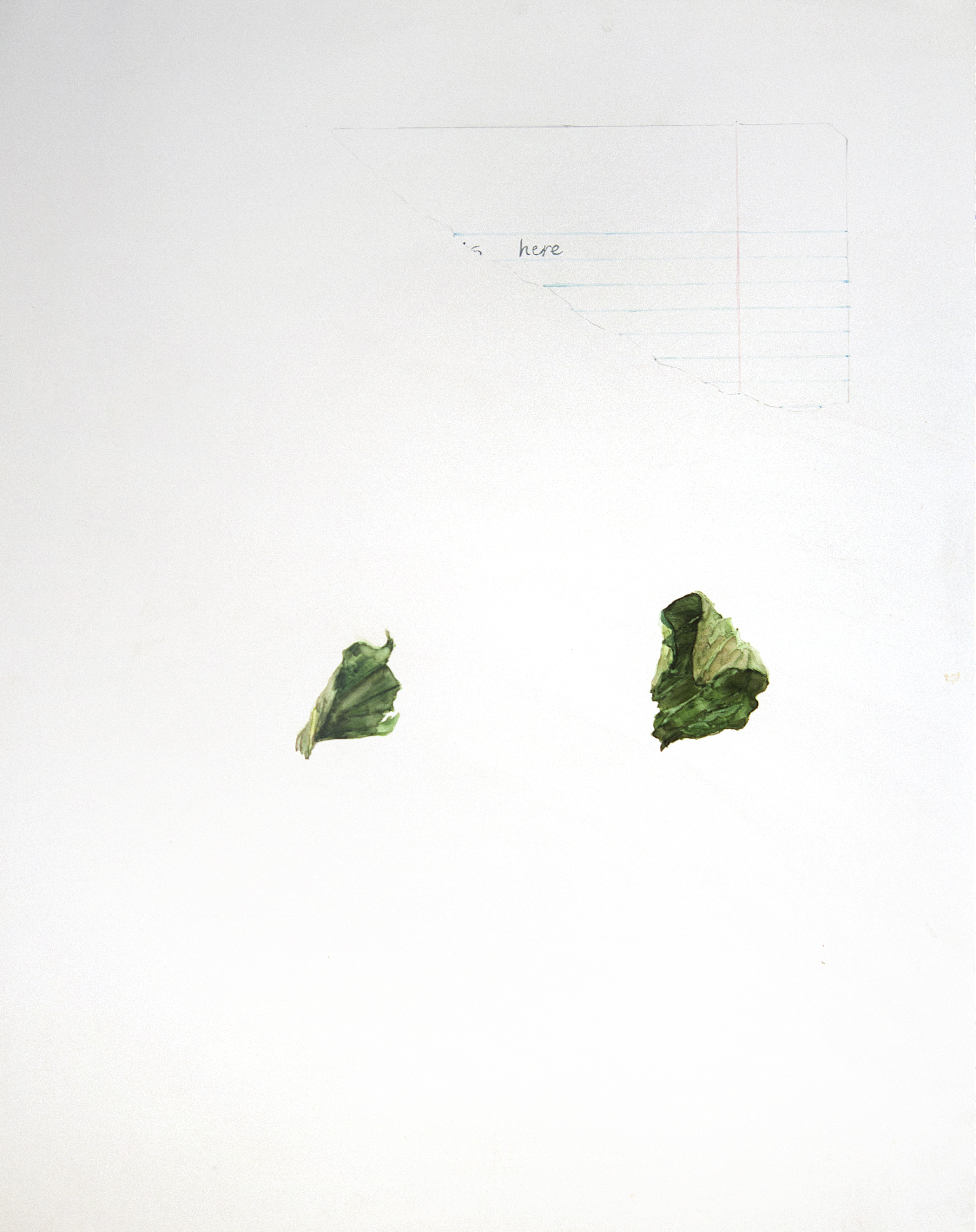
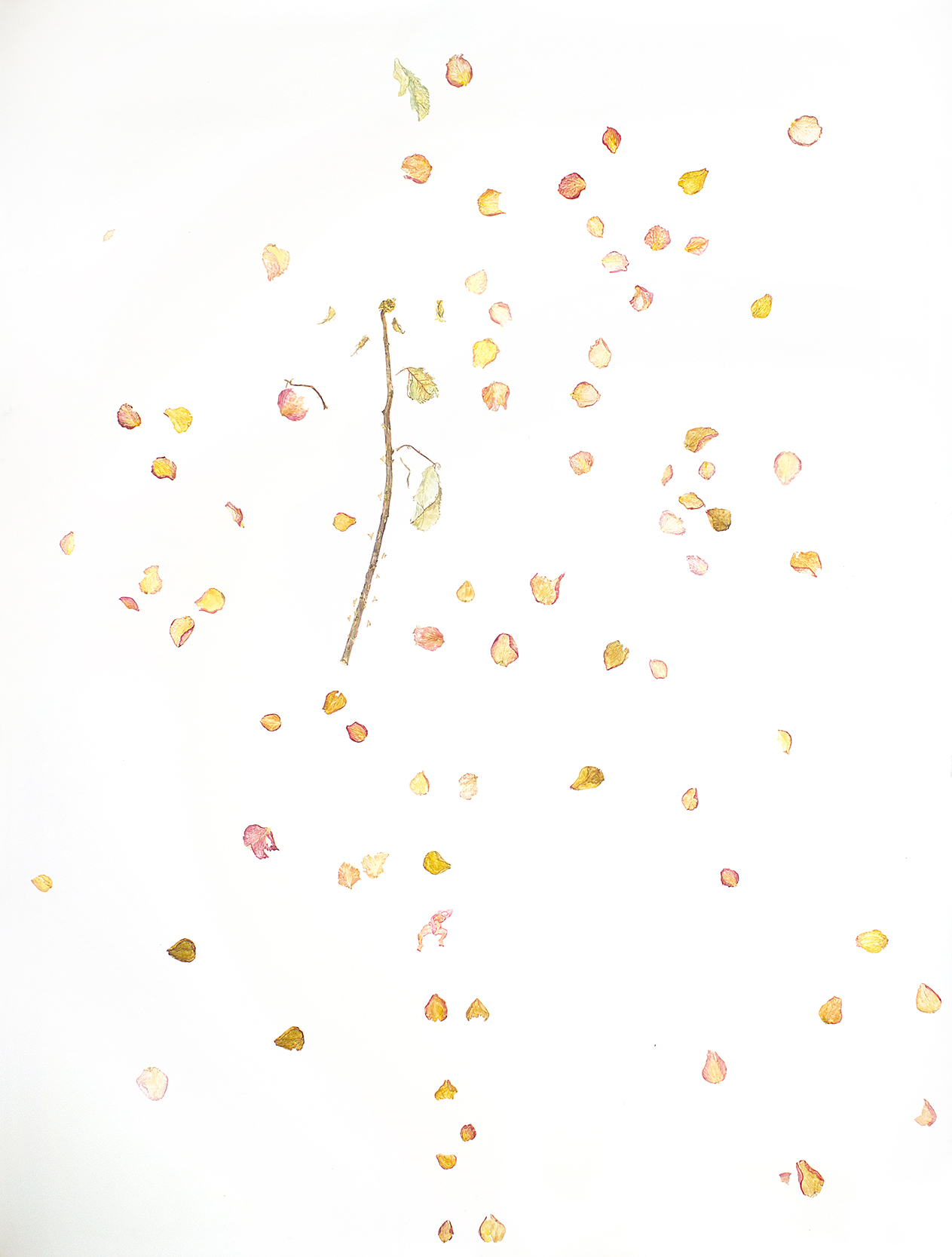
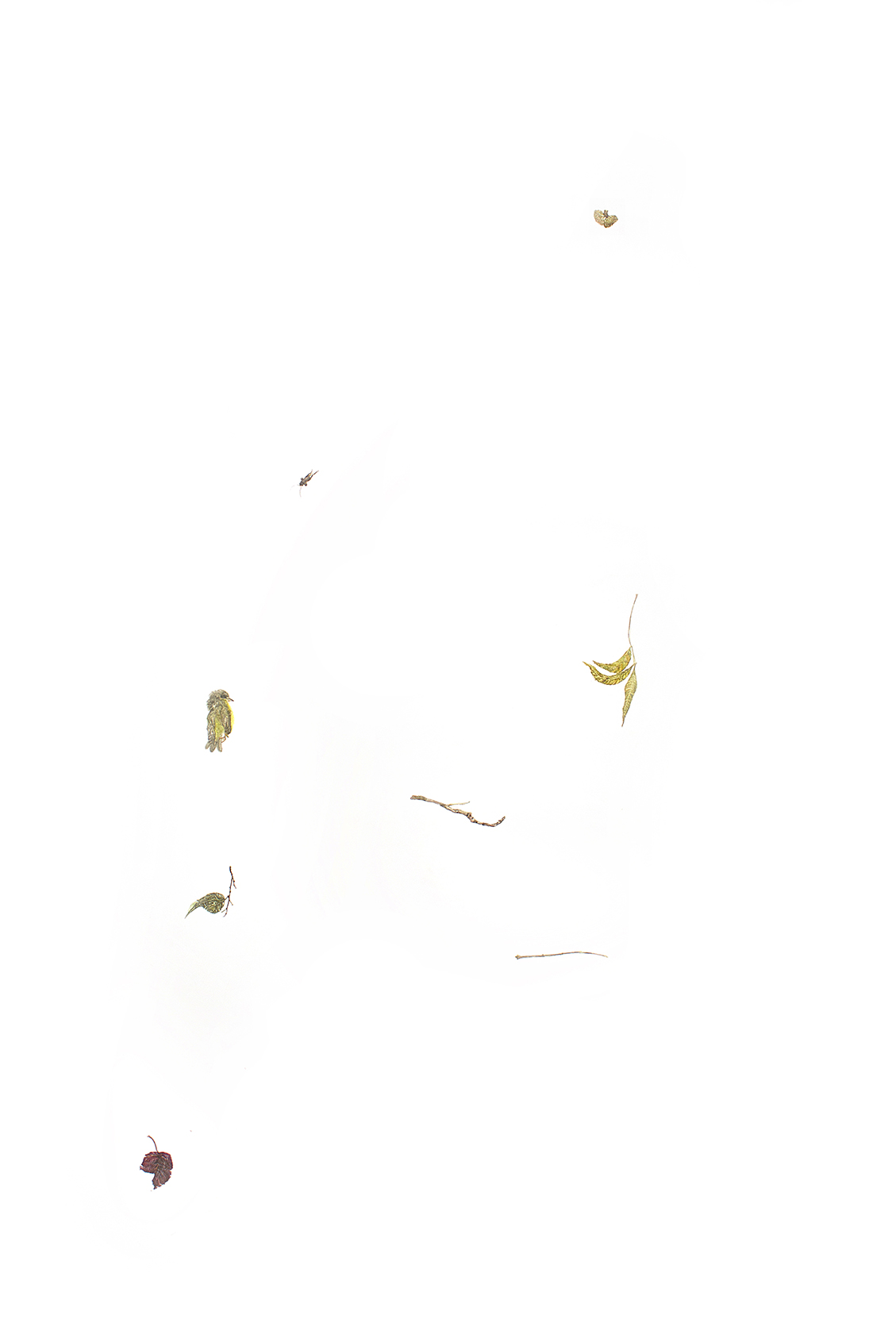
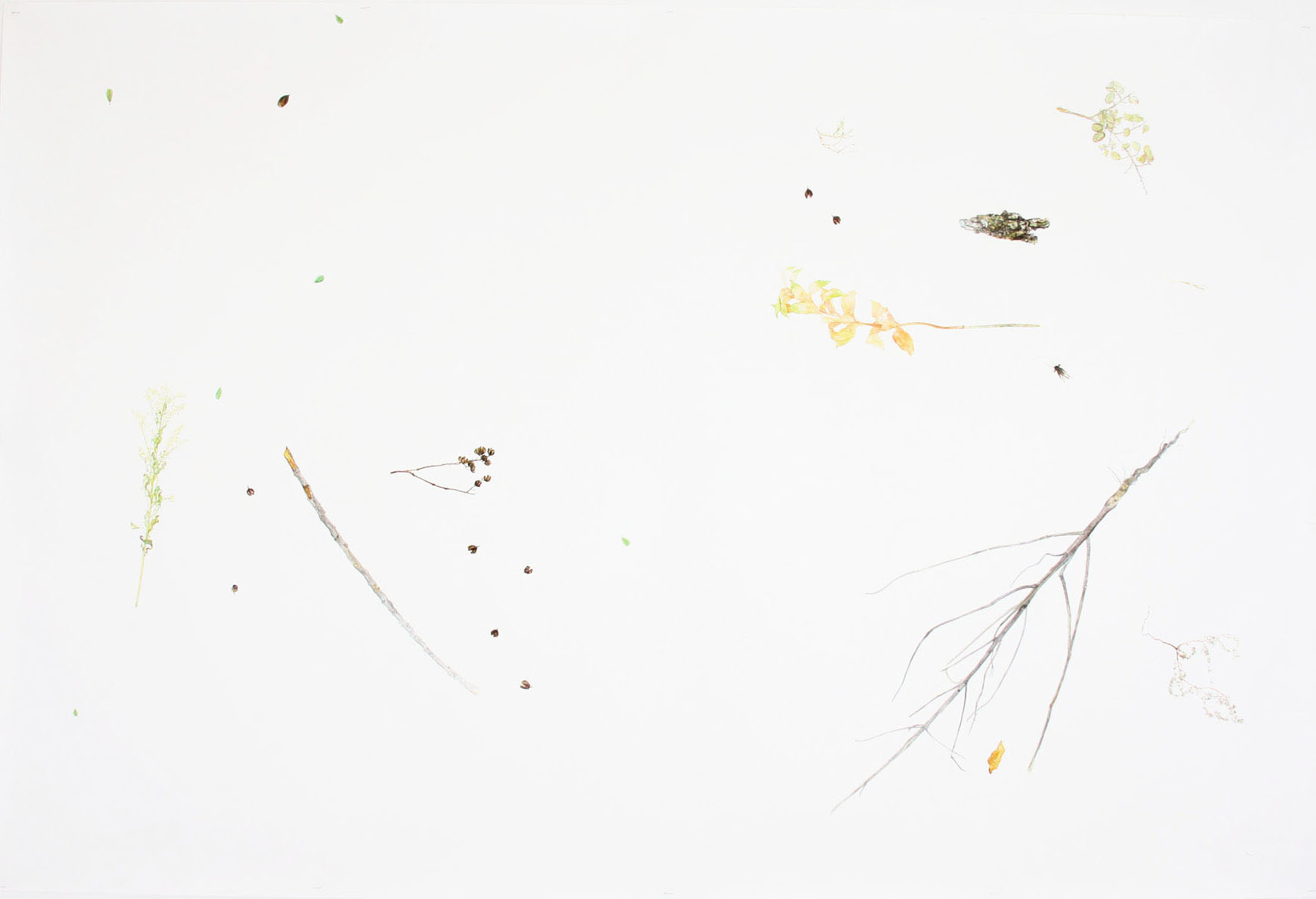
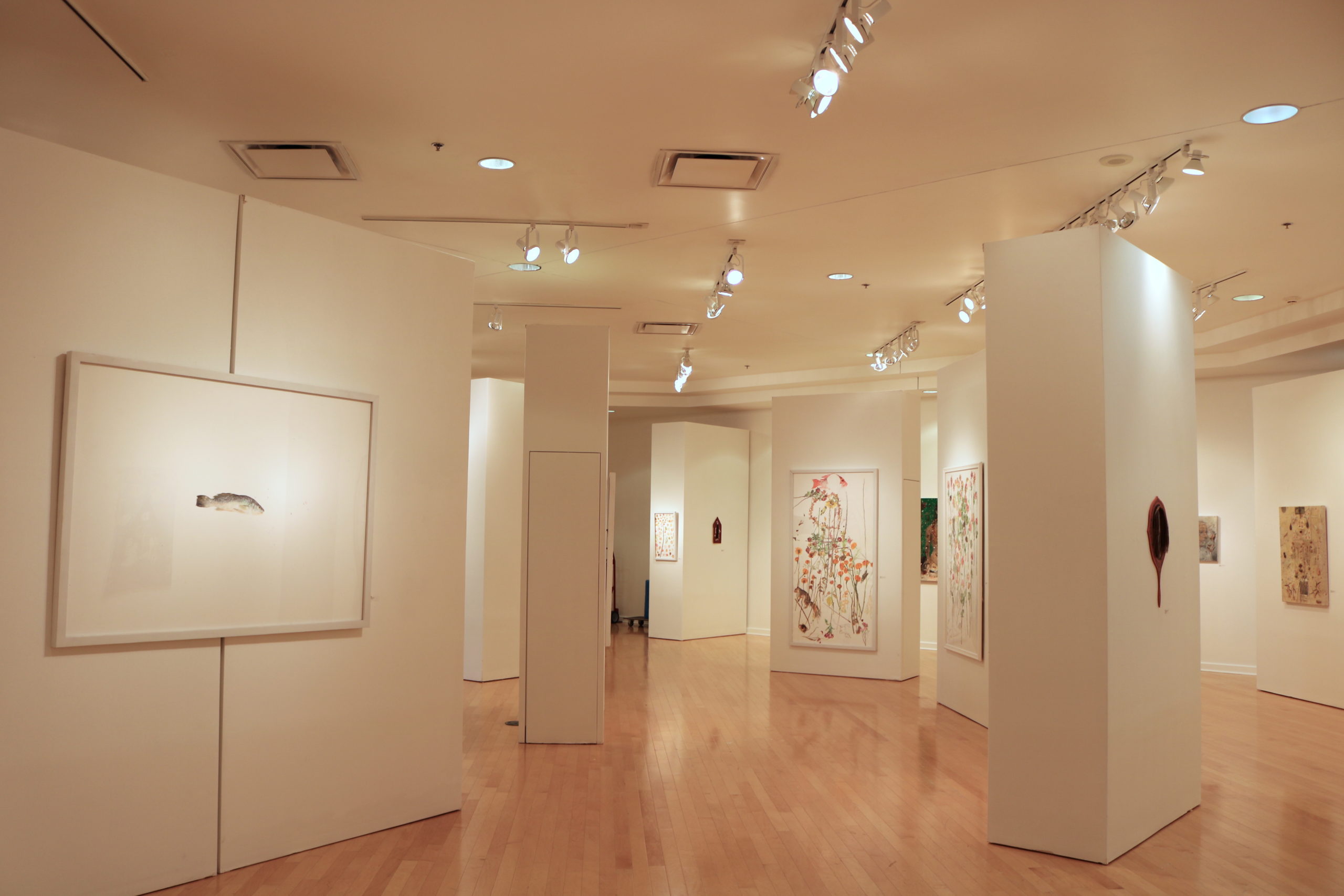
I Am depicts found objects severed from life: fallen leaves, withered flowers, insects frozen in time. Working from observation, the artist stays close to their fragility in watercolor, letting them float without perspective or constructed space, held instead in a negative white field drawn from traditional East Asian painting. That same space stands for the universe itself, holding every being equally, without hierarchy or preference. The series sits with the intimacy of death in daily life, and what might exist beyond body and mind, leaving room to contemplate impermanence, and find some ease in the same unknown we’re all headed toward.
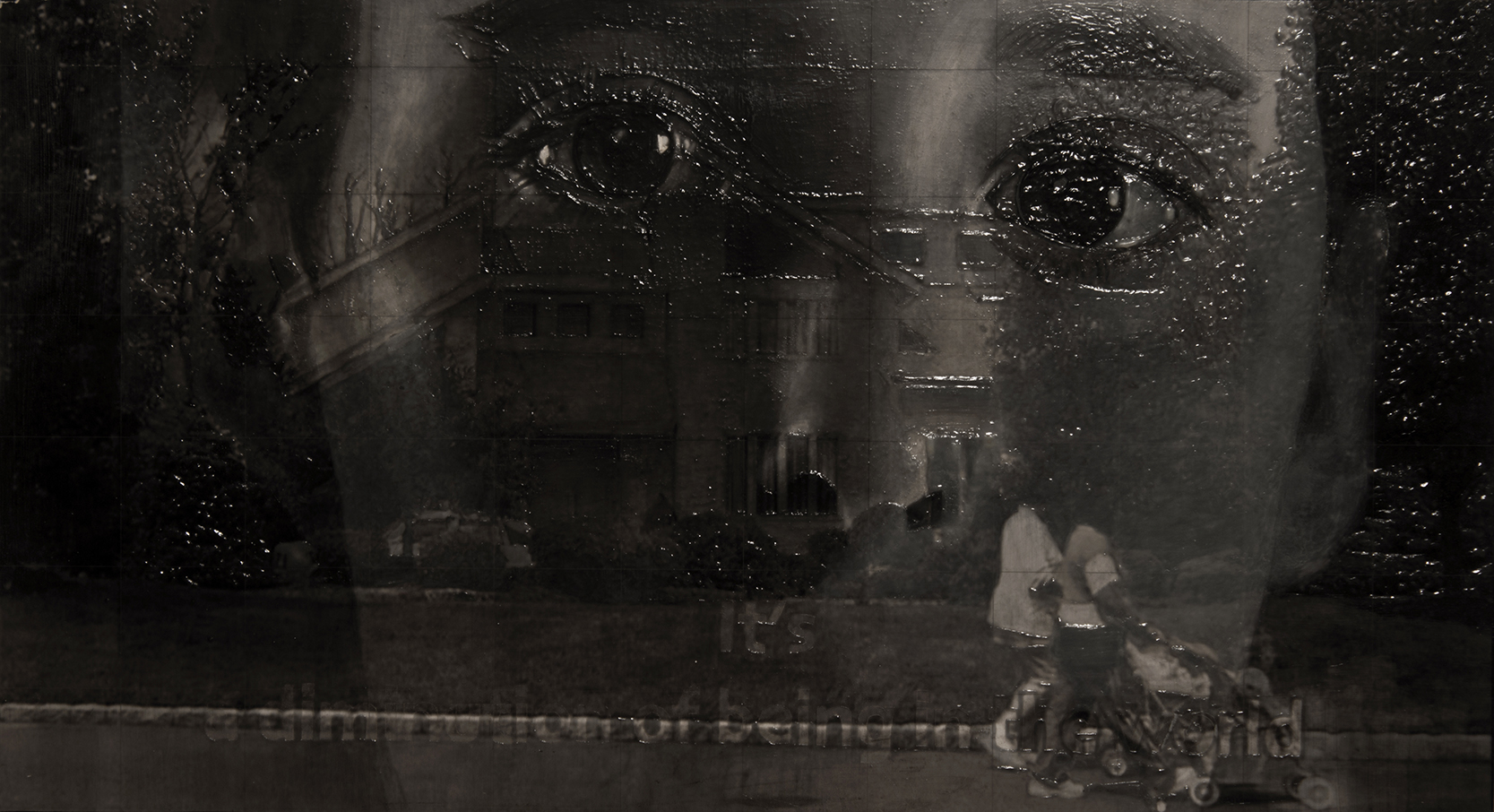
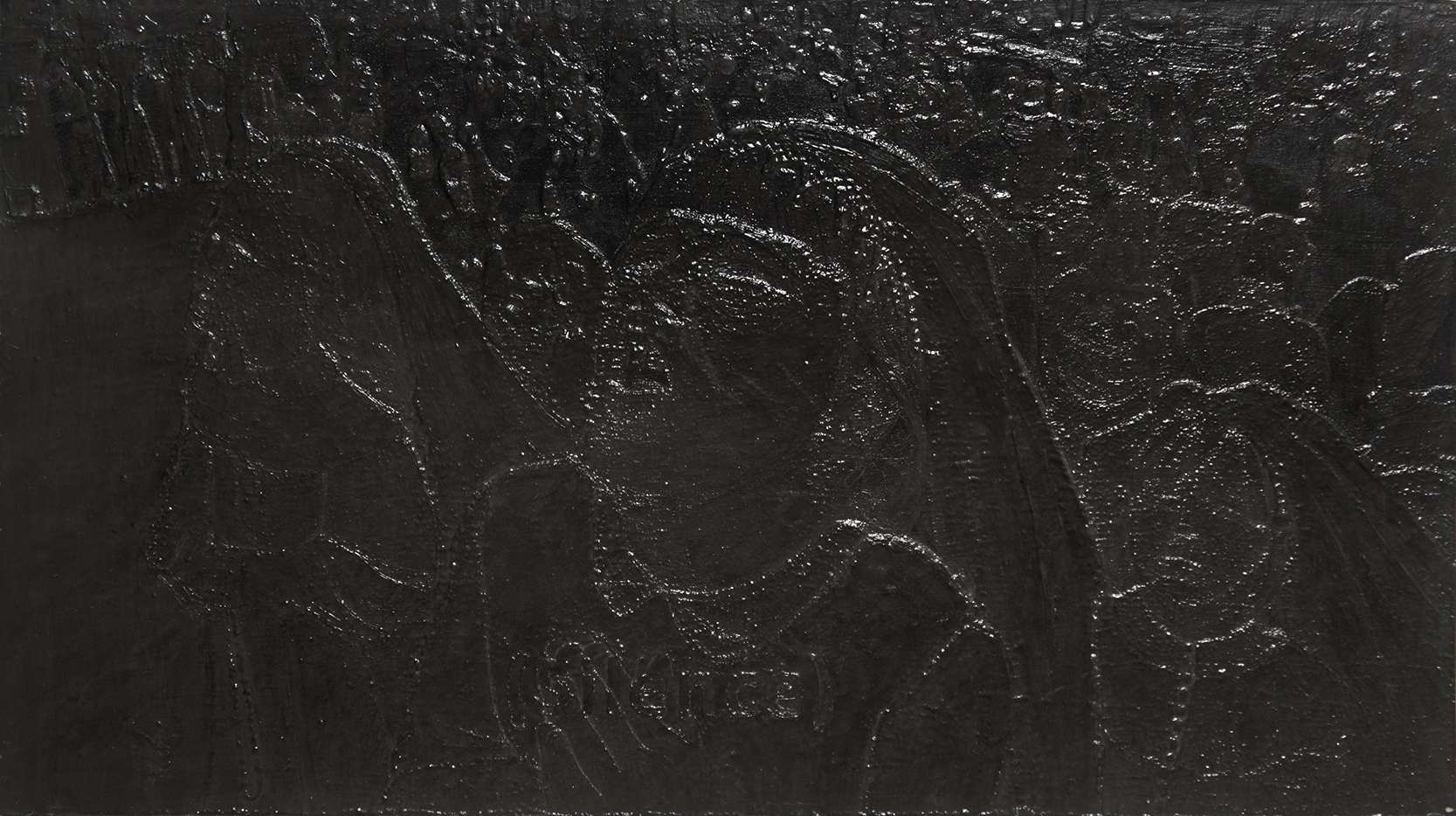
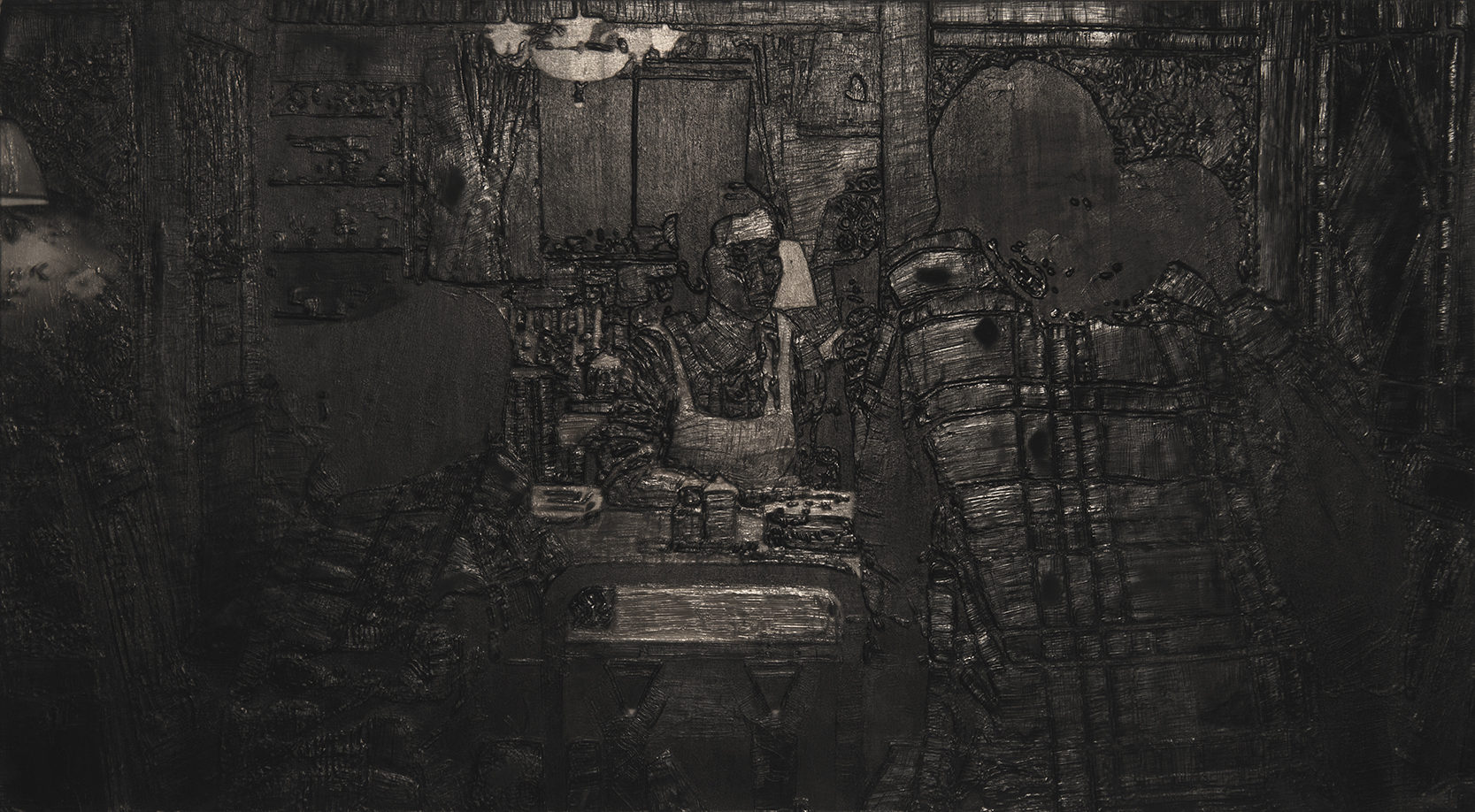
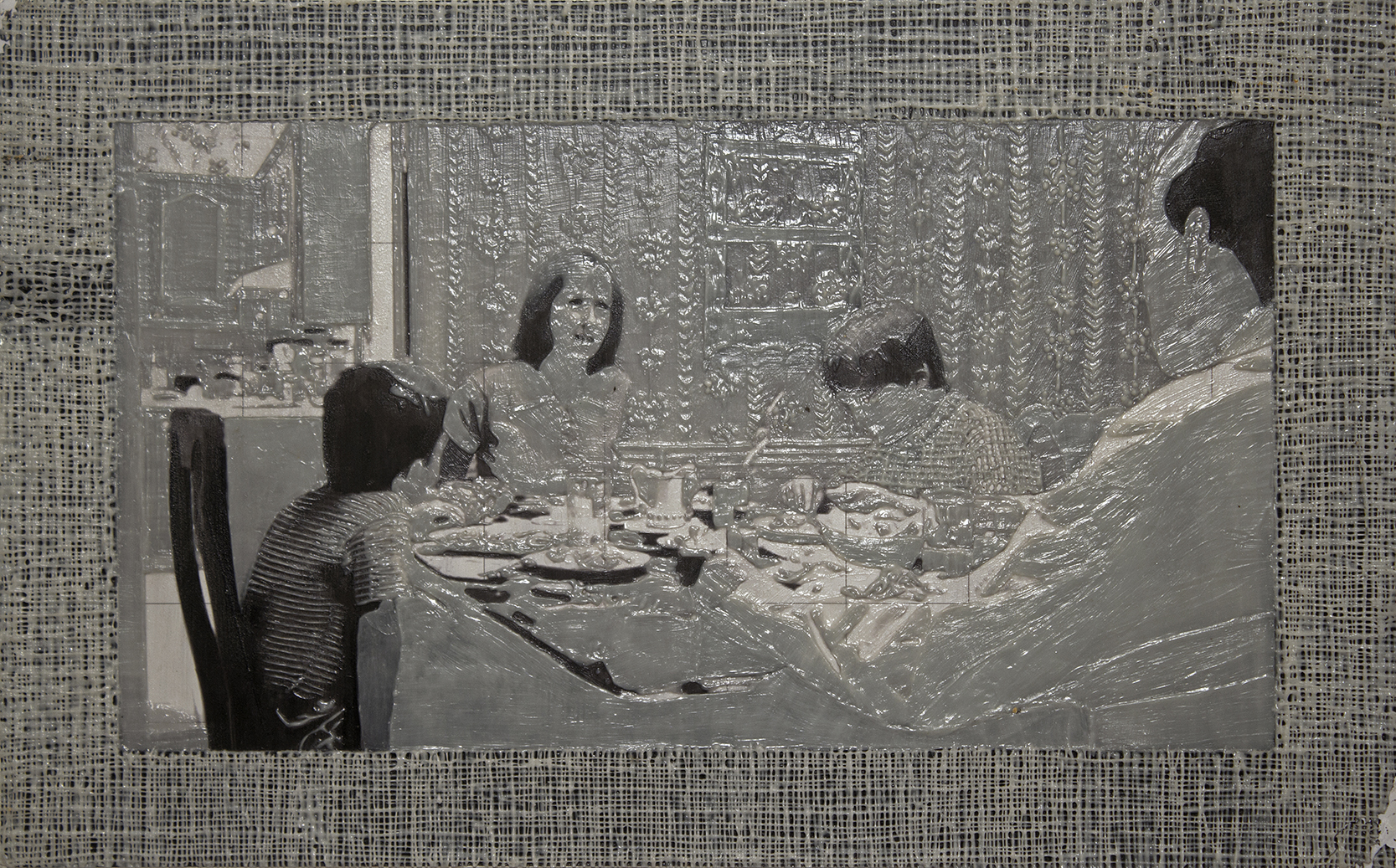
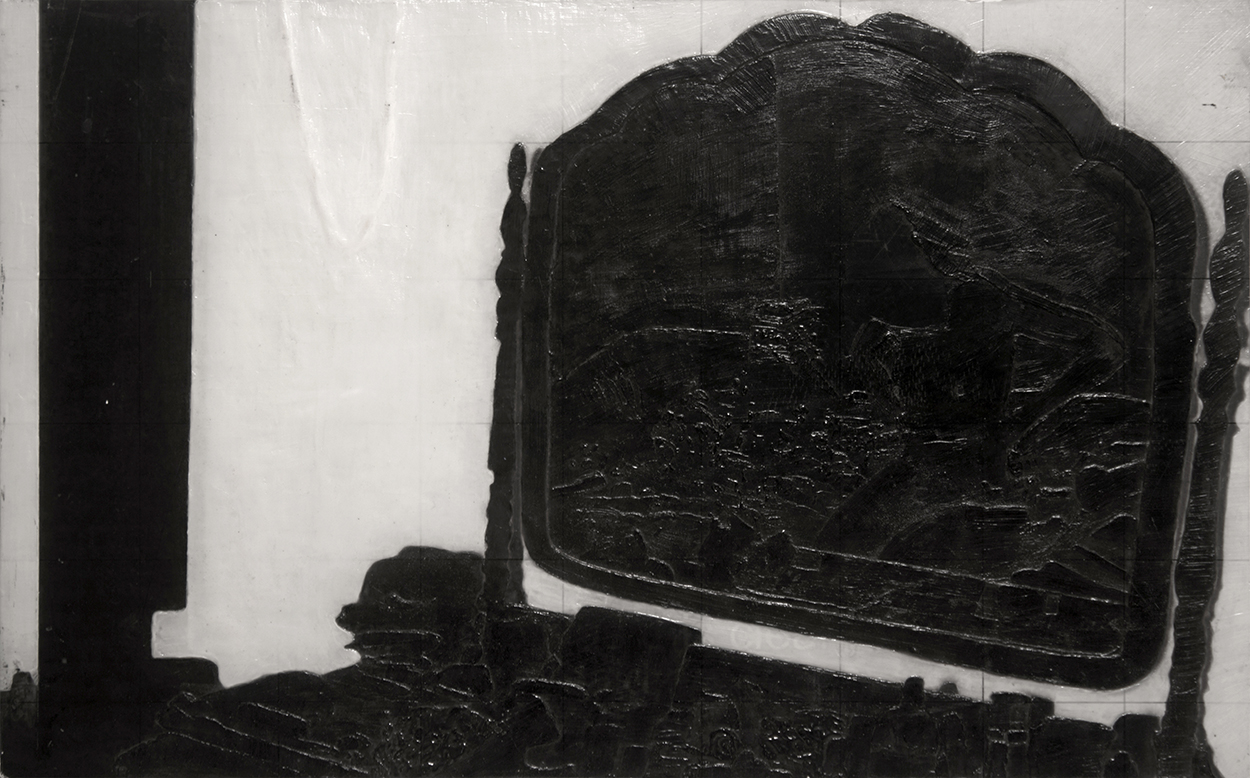
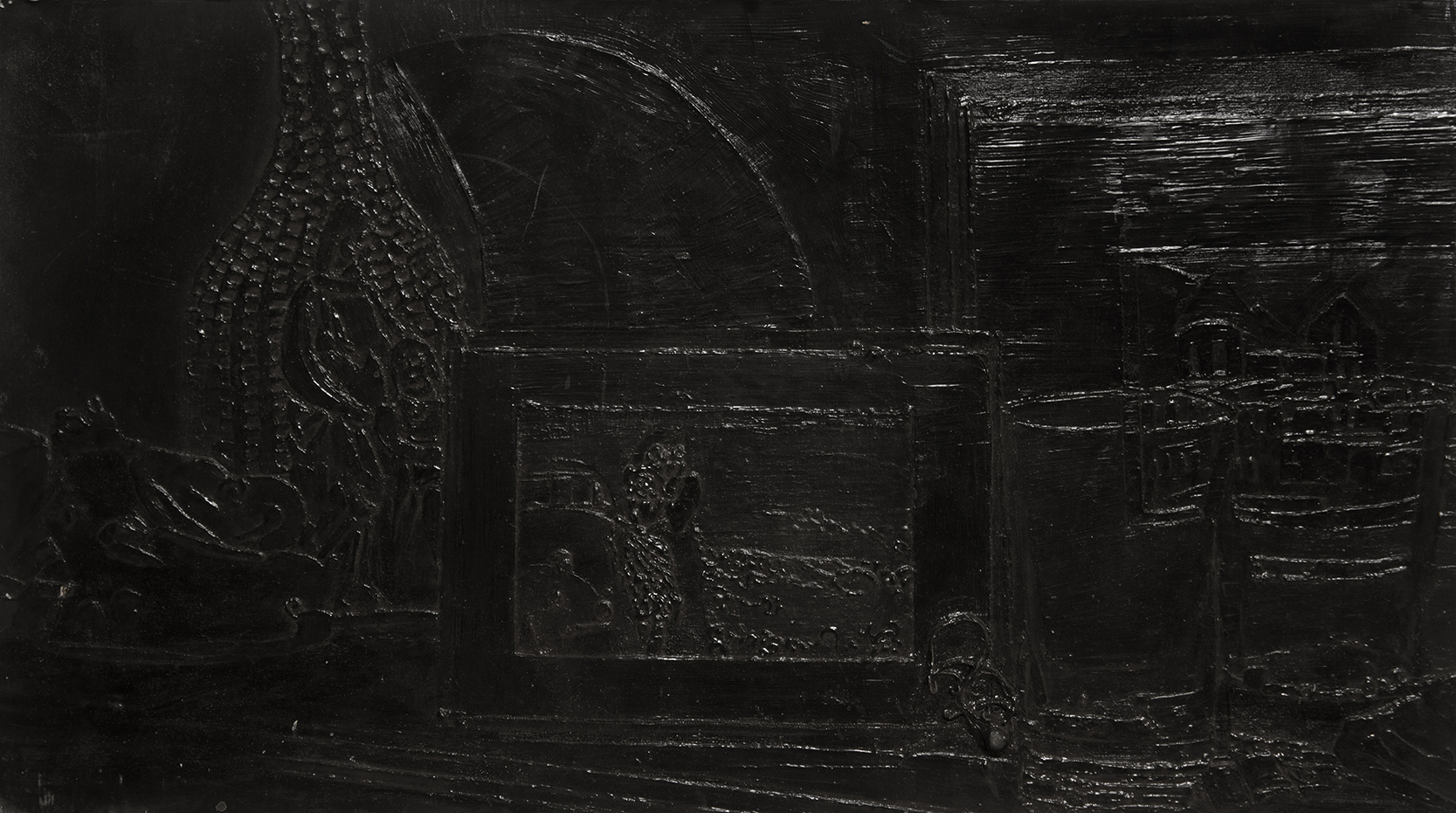
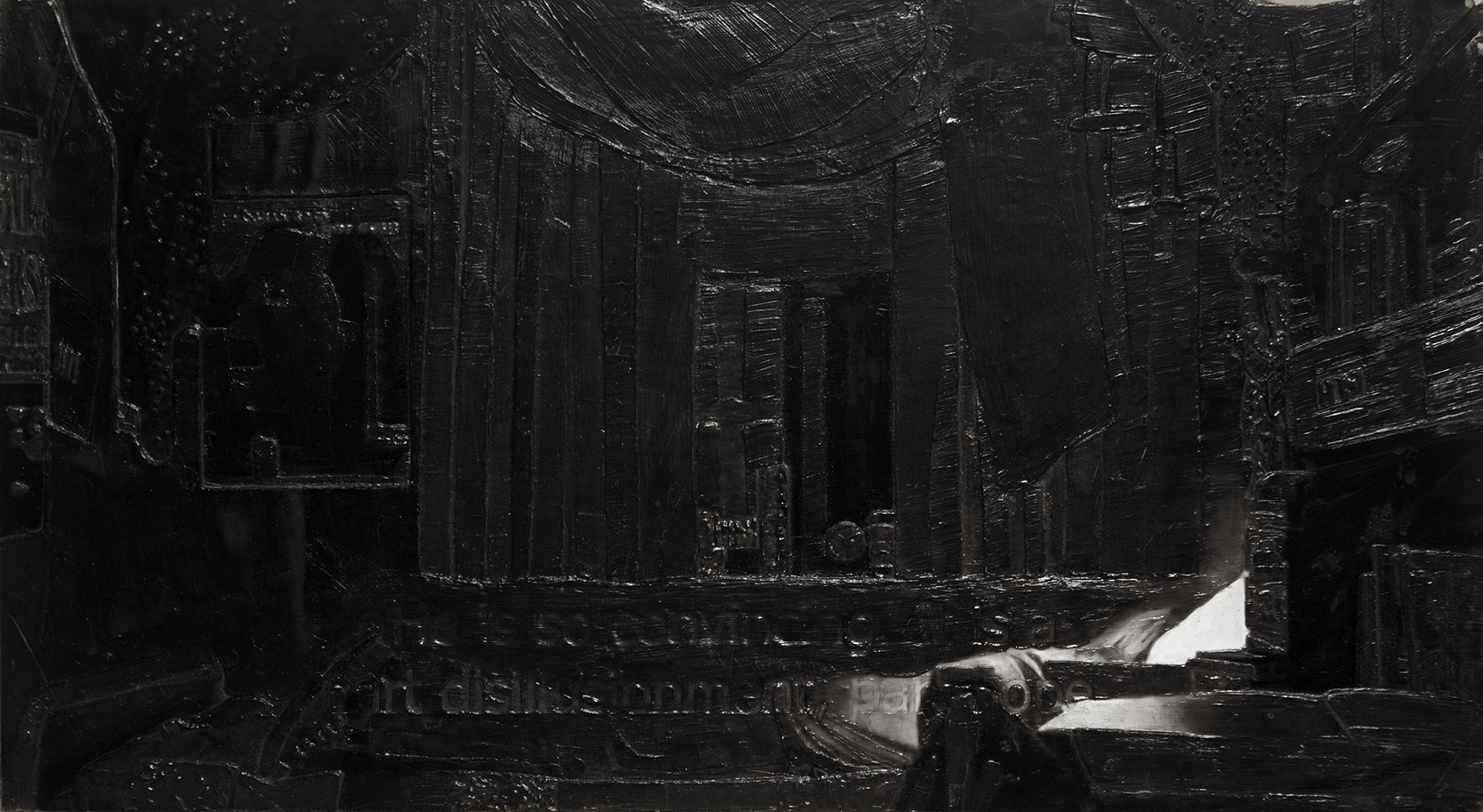
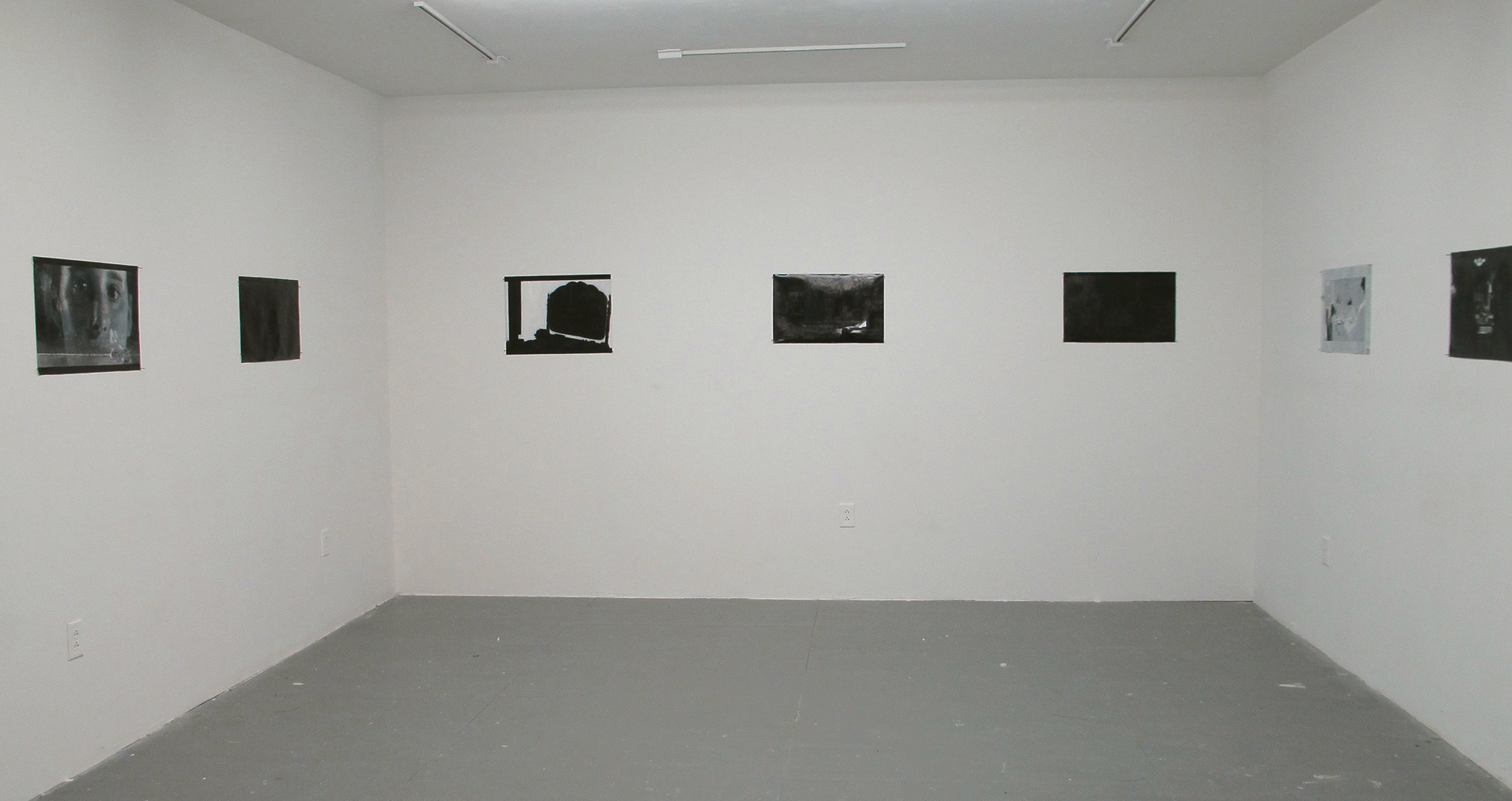
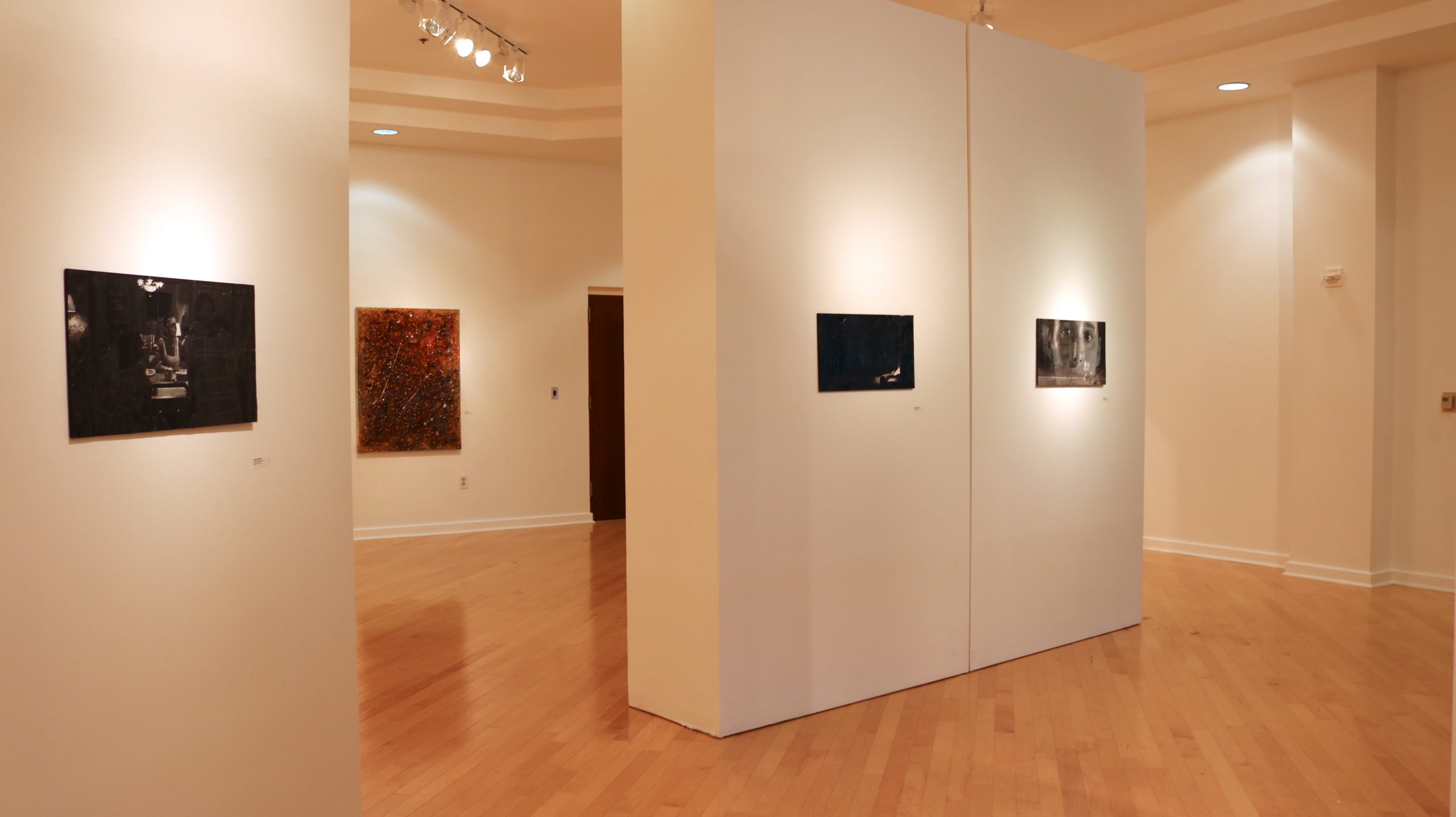
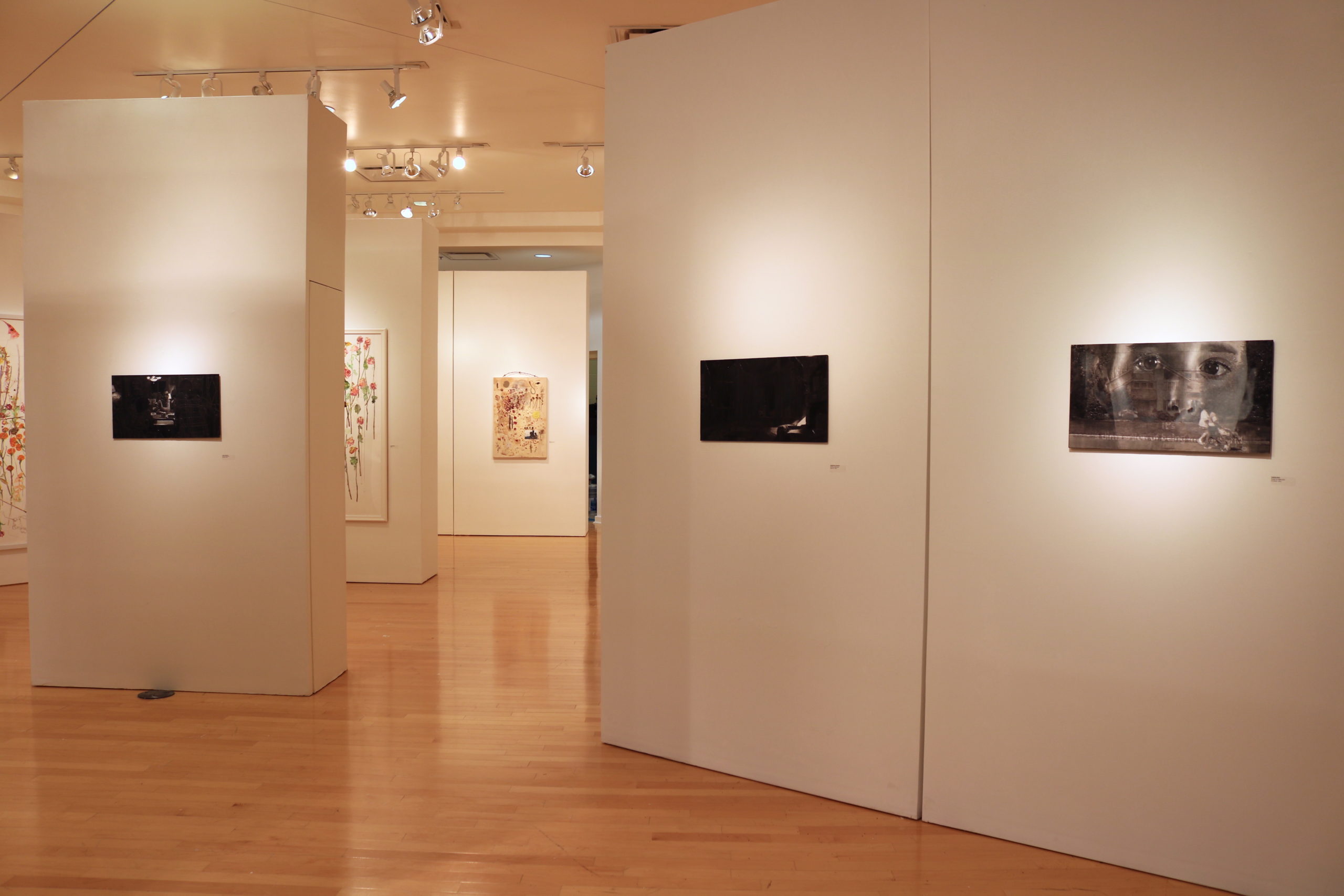
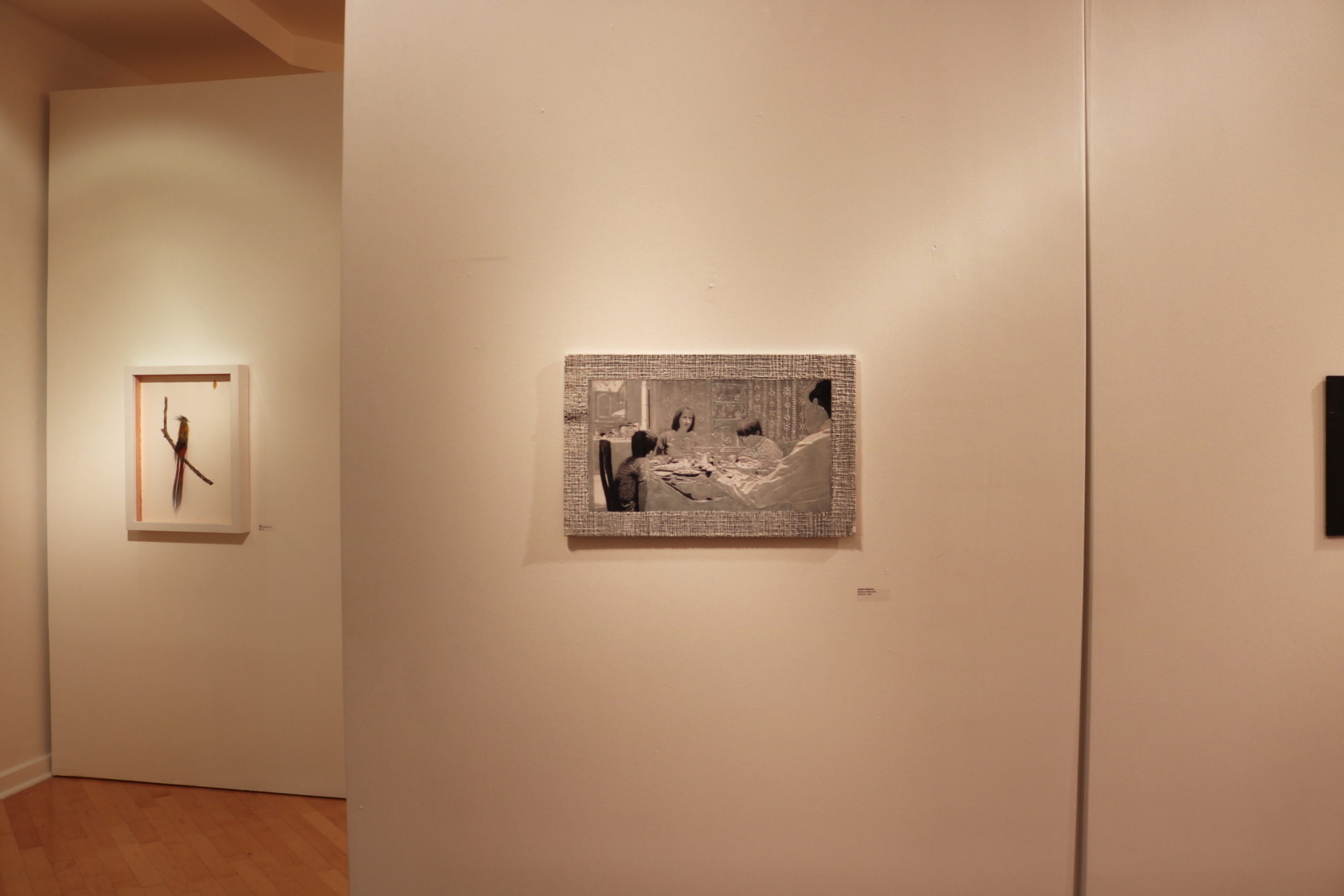
Memories is built in layers: acrylic paint over black-and-white film stills, worked into relief. With only 0.5% pigment in a transparent medium, the paint builds up according to each image’s tonal values, until the source is almost obscured beneath it. The series turns on collective and individual memory, and on Memory Work, the idea that we interpret the past to make sense of the present, translating experience into a new language each time we recall it. We tend to treat memories as facts, and lean on them to define who we are. This series asks whether they can really bear that weight.
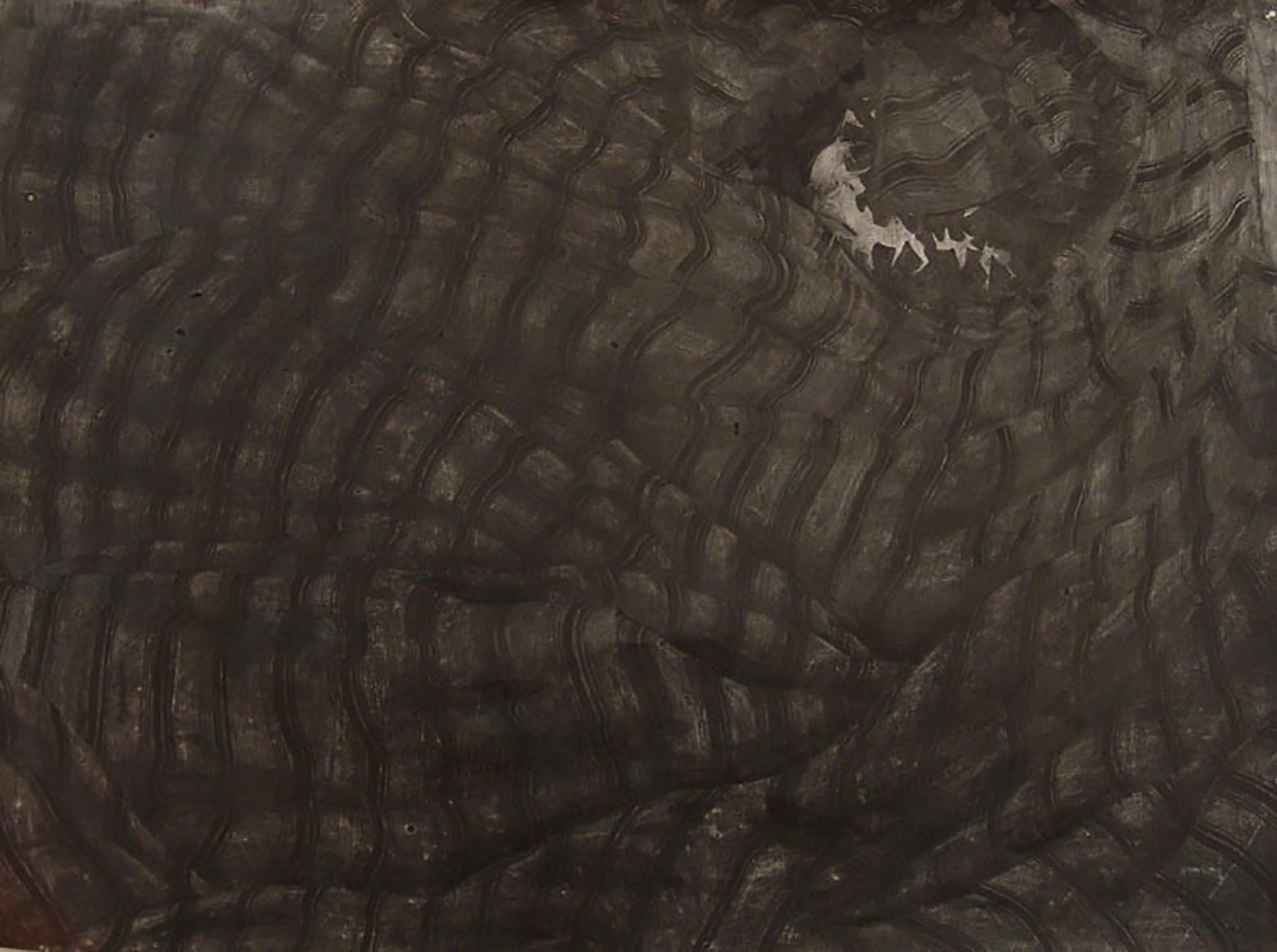
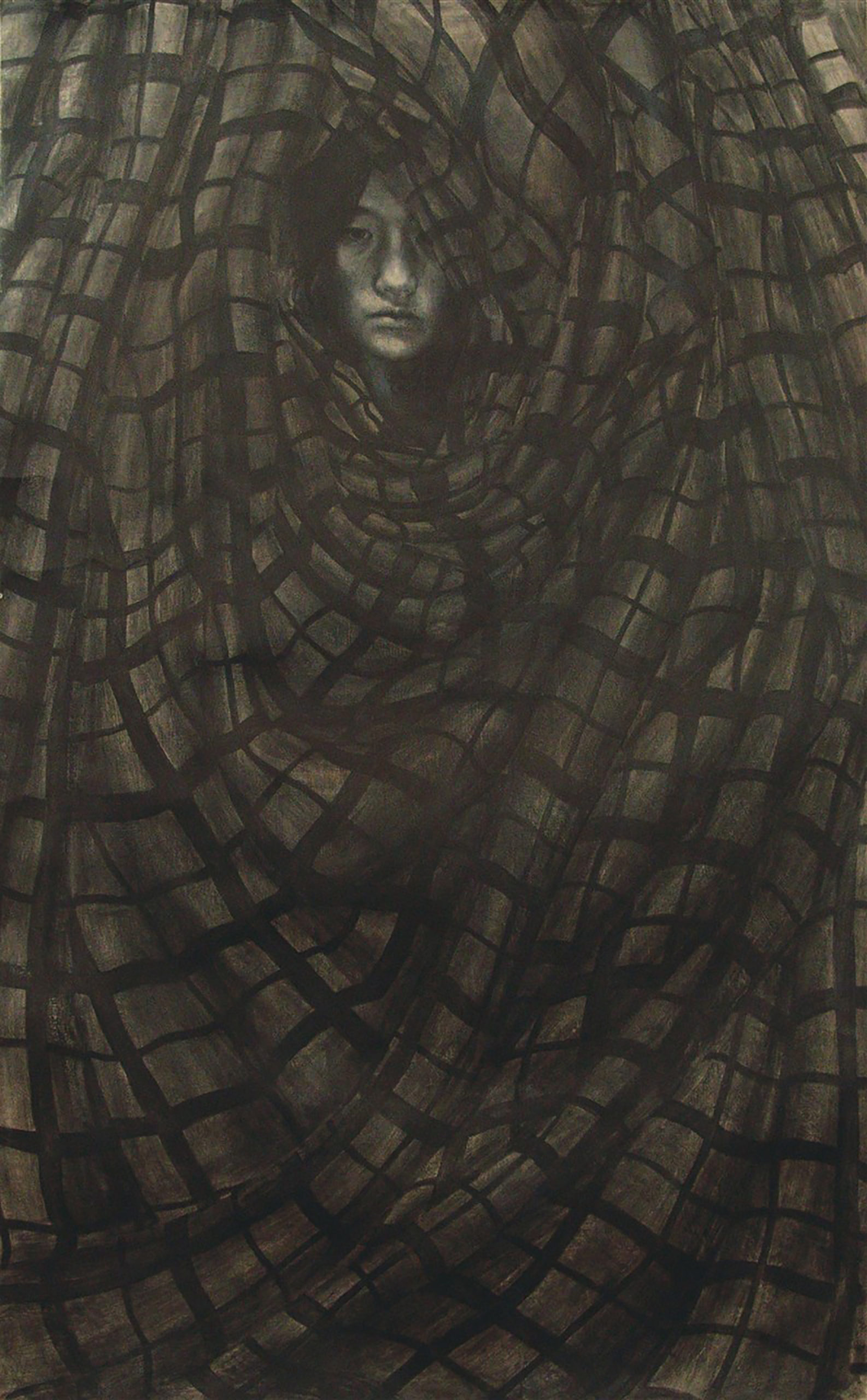
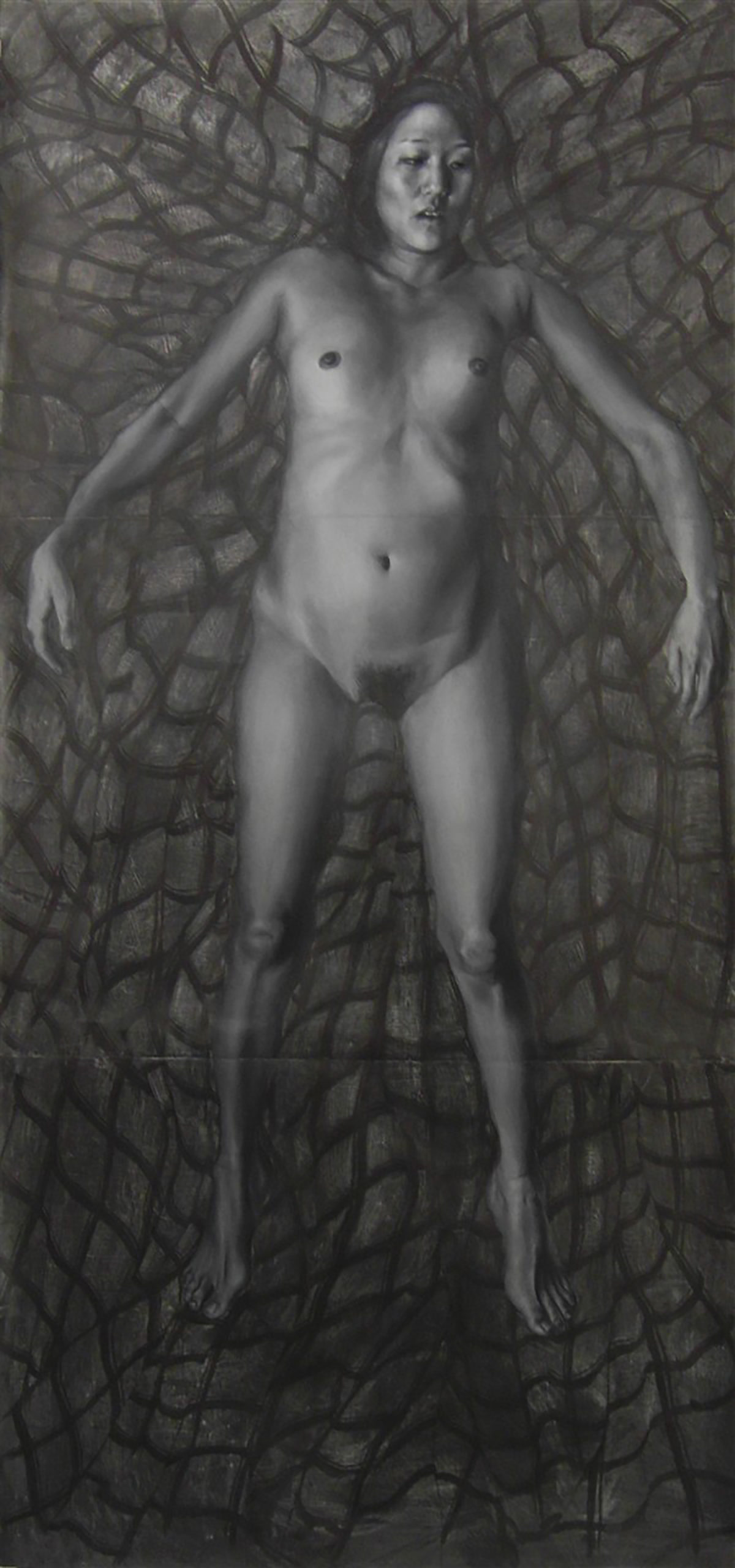
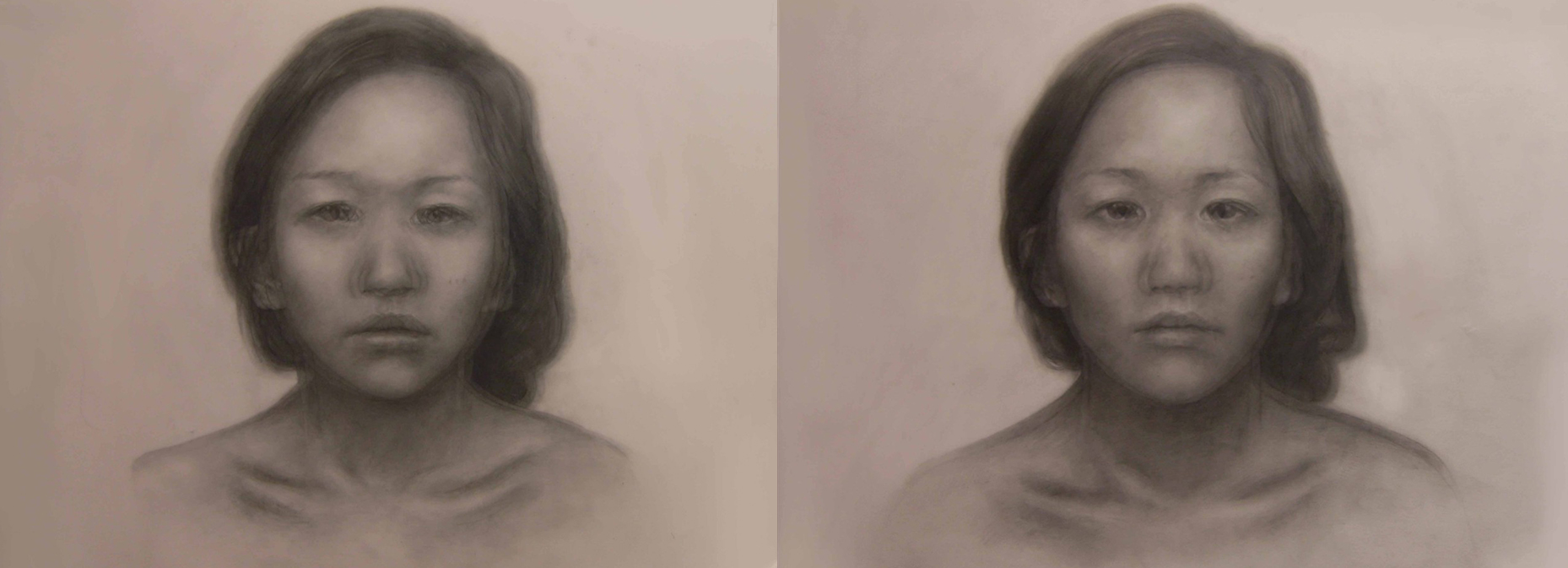
Shell gathers a series of self-portraits that treat the artist’s body as an inanimate object: a still life, a shell encasing emptiness. This body of work is her identity as an Asian woman, refracted through dislocation, separation, and isolation: a lack of connection, paired with disagreement towards the expectations placed on her body. Here, that weight becomes a metaphor, while she continues questioning her own relationship to this form.